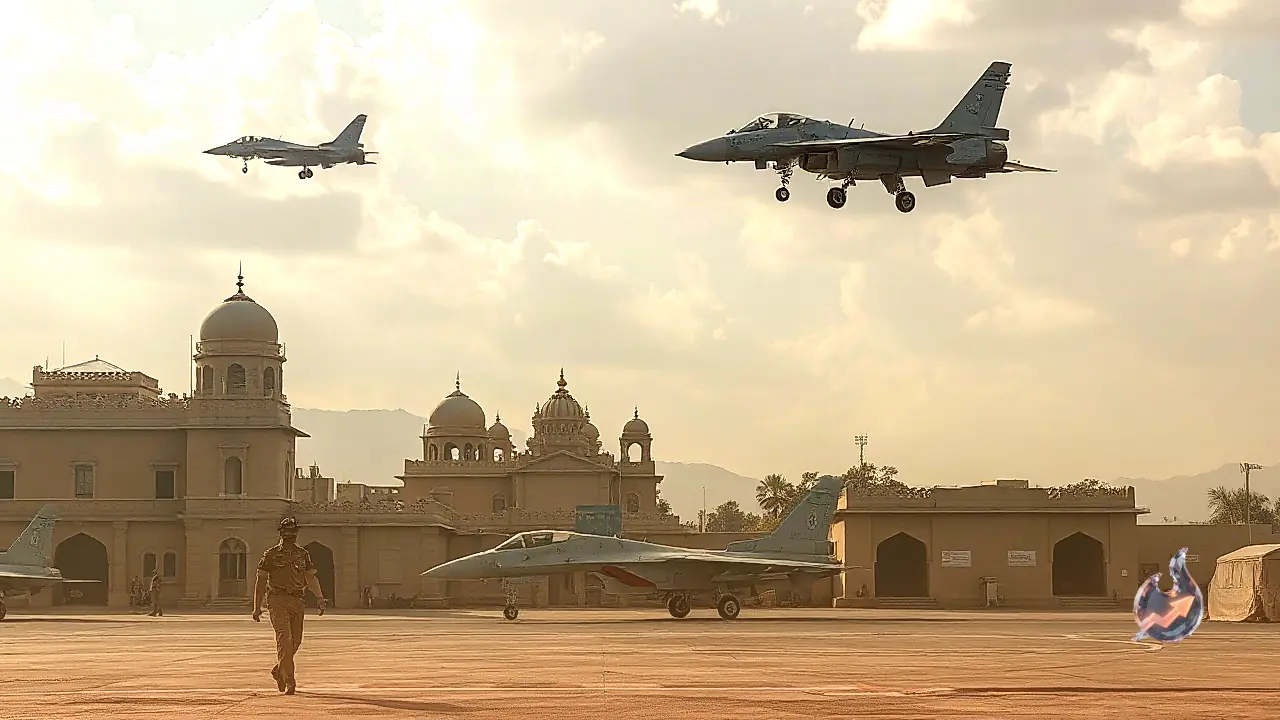






















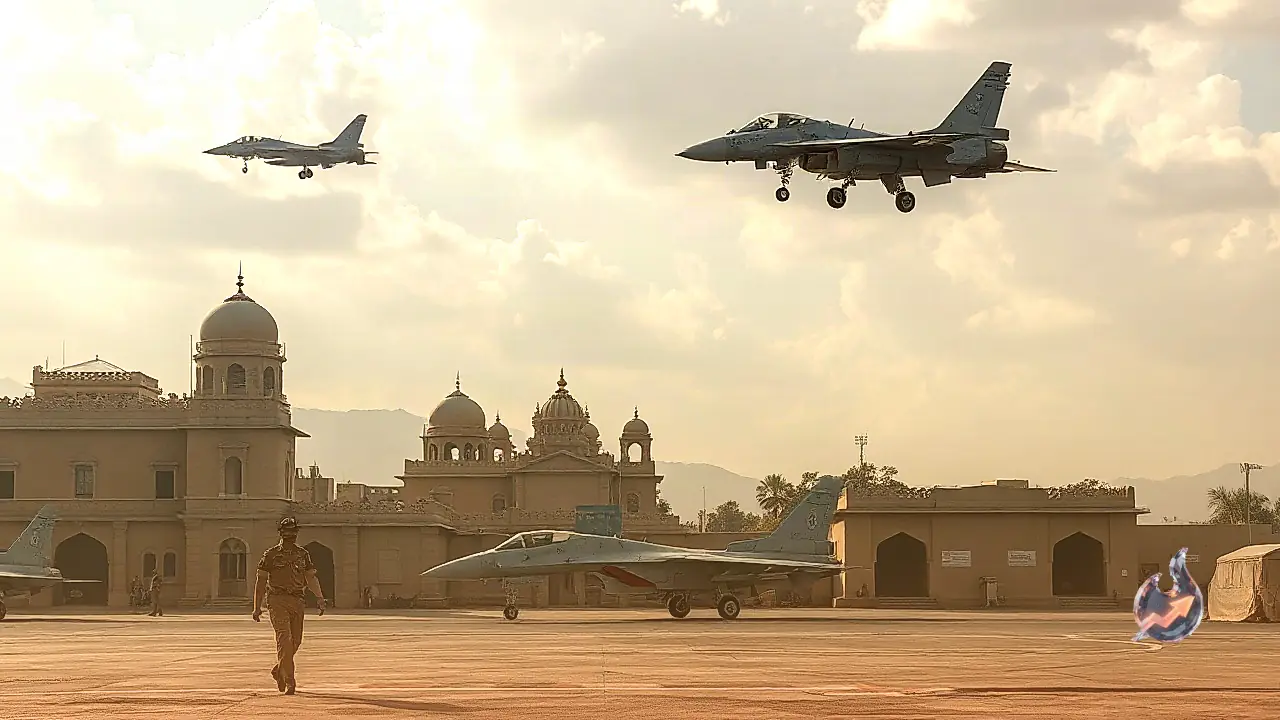

Preparations are underway at the Indian Air Force for one of its marquee multinational aerial exercises, Tarang Shakti-2026, which will bring several allied nations together on a joint combat stage. Scheduled from September 28 to October 11, the intensive military drill will be hosted at the Jodhpur Air Force Station in Rajasthan. Multiple international air forces will converge to test and refine their tactical airborne operations and operational readiness through coordinated manoeuvres.
Global Participation and Tactical Interoperability
Air Force authorities shared key operational details regarding the multinational exercise on Tuesday. Delegations and frontline fighter aircraft from several countries across Europe, Asia, and other regions are slated to participate in the high-profile engagements. Foreign contingents will integrate alongside Indian fighter pilots to plan and execute sophisticated aerial missions, ensuring an exchange of combat doctrine and logistical procedures under realistic simulation environments.
A core objective of this multilateral engagement is strengthening operational collaboration, operational synergy, and joint tactical procedures across different armed air wings. The exercise provides a platform for participating forces to assimilate mutual field experiences and evaluate real-time mission execution across varied operating conditions. A dedicated Distinguished Visitors and Media Day has been scheduled for October 10, offering guests and observers a close-up demonstration of complex multi-aircraft flight operations.
Air Warriors Avert Catastrophe in Mount Abu
While strategic units gear up for the massive drill in Jodhpur, personnel demonstrated decisive bravery off the flight line by preventing an escalating civil disaster. Late at night, a severe fire broke out in the hill station of Mount Abu. Upon receiving distress information about the blaze, personnel from the local Air Force Station reacted instantly, deploying as first responders to establish command over the hazardous zone.
According to information released by the Air Command, the site posed an acute danger because one cooking gas cylinder had already detonated prior to the team's arrival. The blaze continued to rage around multiple other gas cylinders trapped inside the high-heat perimeter. There was a critical risk that the remaining canisters would overheat and trigger secondary explosions, which could have triggered widespread structural collapse and inflicted heavy casualties on the surrounding community.
Decisive Evacuation of Combustible Cylinders Under Fire
Recognizing the immediate peril, the deployed personnel exhibited exceptional courage and operational discipline under intense heat. While part of the response team worked tirelessly to suppress the flames, other personnel penetrated the danger zone to retrieve and evacuate the remaining highly combustible cylinders to a safe perimeter. This swift intervention eliminated the threat of chain explosions, brought the fire under control, and preserved public safety.