






















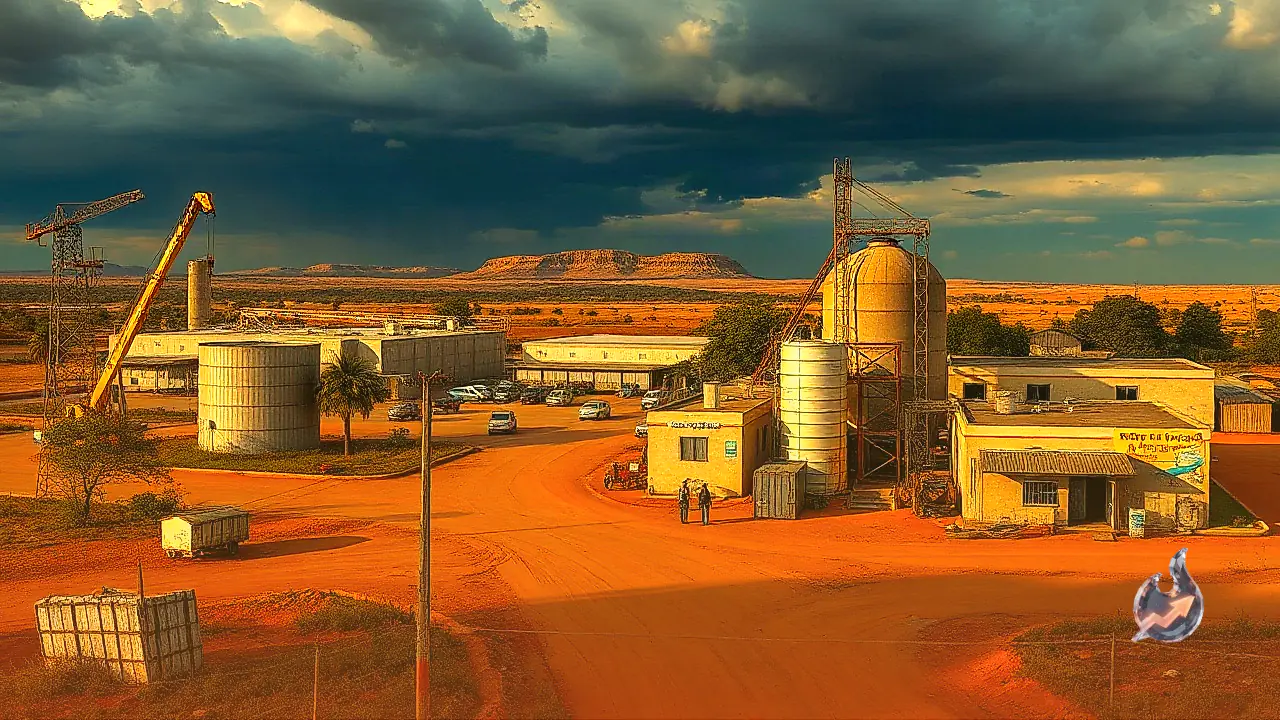

The indefinite suspension of operations at Tata Chemicals Magadi by the Kenyan government has plunged the town of Kajiado into a severe humanitarian and socio-economic crisis. The shutdown of this corporate entity has brought the local economy to its knees, leaving residents struggling even for bare necessities. This situation has exposed the deep reliance of an entire community on a single corporate enterprise for jobs, financial circulation, and basic civic utilities like clean water.
Exposing Infrastructure Vulnerabilities
Recent analytical reports highlight how the government's action against the company laid bare the acute lack of independent infrastructure in Magadi, where local economic activity and daily survival were deeply intertwined with the corporate setup. Stephen Mutoro shared on X that the company drilled the local water sources, paid the electricity bills to run them, and built the hospital, emphasizing that this was corporate investment rather than an unpaid debt. The sudden halt has disrupted local employment networks, deeply affecting contractors and suppliers who sustained the broader community's income.
Impact on Healthcare and Patient Turnout
The economic fallout is starkly visible in the healthcare sector, where patient attendance has dropped significantly. A local doctor noted that while the hospital operates on a non-profit basis, patients typically contributed nominal fees for treatment. However, with the company's closure, liquidity has dried up as roughly 95 percent of the area's population depended on income generated either directly or indirectly by the enterprise. Residents now struggle to afford basic medical care, putting off visits to the hospital until health issues become critical.
Water Scarcity and Emergency Tankers
Water distribution has emerged as the most critical and immediate crisis in the town. With corporate-backed water systems non-functional, residents are forced to rely heavily on emergency water trucks. Women and children bear the brunt of this shortage, as existing supplies from GSU trucks and emergency tanks ranging from 5,000 to 10,000 liters are sparse and frequently empty, leaving community members with severely restricted portions.
Long Treks and High Fuel Costs
The severity of the water shortage compels residents to travel long distances just to secure hydration. One resident described riding a motorcycle 16 kilometers away to Magadi to purchase water, spending up to 500 Kenyan shillings on fuel alone, which translates to roughly 360 Indian rupees. Those without personal transport lack such alternatives and remain entirely at the mercy of infrequent emergency water deliveries.
Late-Night Queues for a Single Bucket
The crisis forces women to wait until 11 PM just to secure one or two buckets of water from the remaining distribution points. Residents explained that the main water tank, previously maintained through corporate support, has stopped functioning due to a lack of fuel and operational backing since the shutdown.
Appeals to the Government
With only a single water tanker currently servicing the entire area, including local schools, individuals receive minuscule rations upon its arrival. Communities have urgently appealed to the Kenyan government to deploy additional water tankers to sustain the population until the corporate operations can resume, highlighting the urgent need for sustainable public infrastructure in the region.