



















The landscape of higher education in India is undergoing a dramatic shift, with student enthusiasm for traditional engineering degree programs witnessing a notable decline. For decades, pursuing a BTech degree was the primary aspiration for most school graduates after completing their 12th standard. However, recent counselling data from Tamil Nadu Engineering Admissions (TNEA 2026) highlights a changing reality that has caught education experts and policymakers by surprise. The completion of the second round of counselling has revealed widespread seat vacancies across engineering colleges in Tamil Nadu, reflecting a broader structural transformation in how technical education is perceived across the nation.
Vacant Seats and College Status Across Tamil Nadu
Following the conclusion of the second round of TNEA 2026 counselling, more than 1.06 lakh BTech seats remain unfilled across the state of Tamil Nadu. The most striking outcome of this admissions cycle is that 23 engineering colleges recorded zero admissions, failing to enrol a single candidate. Furthermore, 167 engineering colleges in the state were unable to fill even 10 percent of their total sanctioned intake capacity. Although subsequent rounds of counselling are scheduled to take place, the sheer volume of vacant seats remaining after round two points to diminishing student confidence in these institutions.
Declining Demand in Computer Science and Electronics Branches
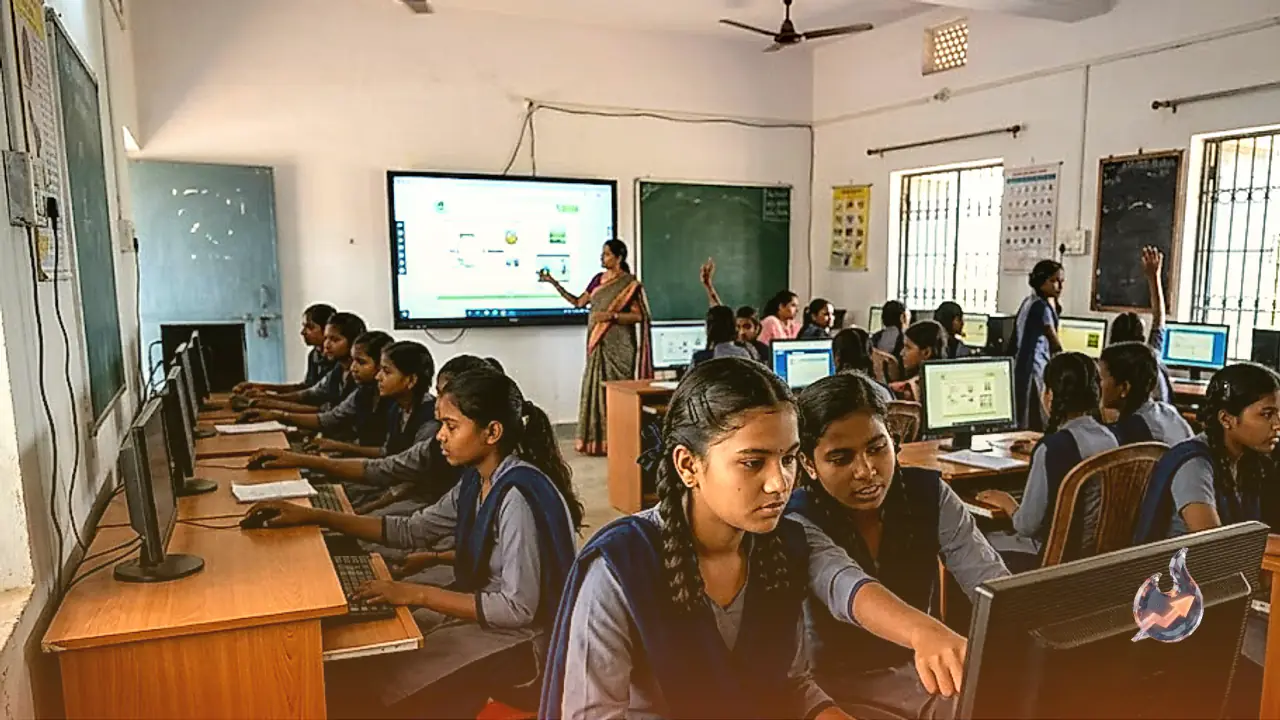
Historically, Computer Science Engineering (CSE) and Electronics and Communication Engineering (ECE) have been regarded as high-demand core disciplines among engineering aspirants. However, the current counselling data reveals that even these flagship branches are struggling to attract students to mediocre institutions. By the end of round two in Tamil Nadu, approximately 17,000 CSE seats were filled, but more than 19,000 seats remain empty. Similarly, while about 12,000 ECE seats found takers, over 13,000 seats continue to lie vacant. This trend indicates that prospective students are no longer willing to enrol in substandard colleges based solely on the popularity of a discipline.
Nationwide AICTE Statistics Over Five Years
This drop in engineering admissions is not an isolated phenomenon in Tamil Nadu, but part of a wider national trend. Comprehensive data from the All India Council for Technical Education (AICTE) covering the five-year period from 2019 to 2024 shows that over 19 lakh BTech seats remained vacant nationwide. Out of a total capacity of 64.9 lakh seats available during this five-year window, actual enrolments reached only 45.5 lakh students. This vast gap of more than 1.9 million empty seats underscores a persistent misalignment between available engineering seats and student demand across India.
Core Factors Driving the Shift Away from BTech Degrees
Several key factors account for the diminishing appeal of standard engineering degrees. First is the unbalanced focus on specific specialization areas. A overwhelming majority of applicants choose only CSE while steering clear of traditional core branches such as Civil, Mechanical, and Electrical engineering, resulting in severe seat vacancies across classic engineering streams.
Second, employment outcomes and placement disparities play a central role. While CSE graduates frequently record placement success rates exceeding 90 percent, placement rates for Civil and Electrical engineering branches often stagnate between 40 and 50 percent, fueling fears of post-graduation unemployment. Third, the rapid proliferation of under-equipped neighborhood colleges established during the early 2000s expansion phase has hurt education quality. Many of these private institutes lack functional laboratories, qualified teaching faculty, and industry-relevant coursework. Finally, the rise of Artificial Intelligence (AI) is transforming job market demands, prompting students to favor short-term skill development programs and specialized certification courses over conventional four-year degree programs.