




















Following the conclusion of secondary board examinations, hundreds of thousands of students across the country evaluate their options for higher technical education. Historically, pursuing an engineering degree was not synonymous with computing alone. Traditional core disciplines such as civil, mechanical, and electrical engineering were viewed as the bedrock of the engineering sector, offering dependable pathways to government positions and lucrative starting salaries. However, evolving industry demands and rapid shifts in employment markets have noticeably dimmed the appeal of these legacy programs.
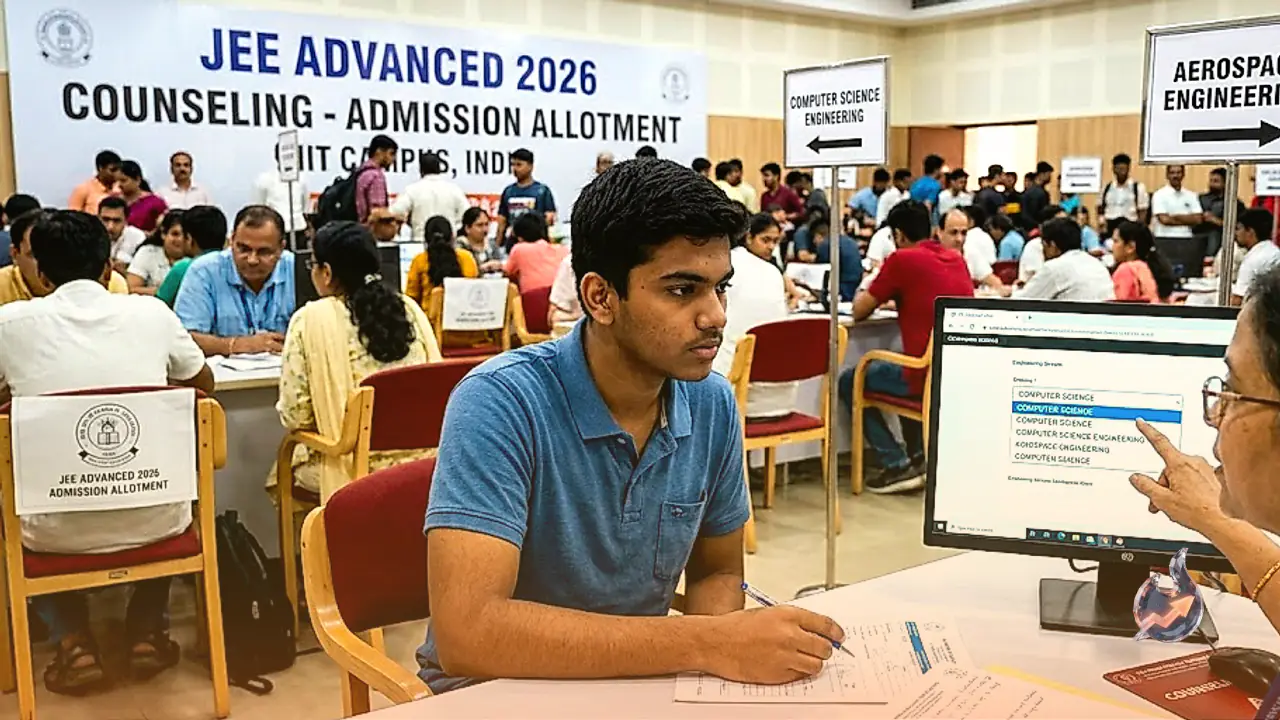
The technical landscape is currently dominated by emerging specializations including artificial intelligence, data science, and advanced computing. Data from joint entrance counseling and institutional admission drives show that newer cohorts of applicants are increasingly avoiding curricula associated with limited initial placements and demanding field environments. Even within premier IIT campuses, prospective undergraduates are demonstrating clear reluctance toward multiple conventional engineering streams.
Shifting Preferences in Civil Engineering
Civil engineering, long celebrated for building foundational national infrastructure, has slipped down the preference rosters of aspiring engineers. Counseling records indicate that high-ranking applicants are consistently passing over this specialization. A major factor driving this disinterest is the physically demanding nature of on-site construction projects coupled with comparatively lower starting compensation. Furthermore, the lack of long-term job security in private infrastructure firms and difficult field conditions continue to deter prospective candidates.
Declining Enrolments in Metallurgy and Materials Science
Metallurgy and materials science represents one of the oldest core domains in technical education. Historically, large-scale steel plants and heavy industrial manufacturers maintained sustained recruitment pipelines for specialists from this branch. Contemporary students, however, are drawn much more strongly toward the corporate and operational dynamics of the technology sector. The intensive laboratory workloads, constrained industrial opportunities outside heavy manufacturing, and gradual salary increments within core operations have caused top performers to rank this program near the bottom of their choice sheets.
Challenges Surrounding Textile Engineering
The textile sector remains one of India's oldest and largest manufacturing sectors, with specialized textile engineering programs established to drive its modernisation. Despite this heritage, the academic program has struggled to maintain its attractiveness among modern aspirants. With prevailing career aspirations heavily aligned with automation, software development, and robotics, textile engineering is increasingly perceived as restricted to fabric mills and garment manufacturing facilities. Consequently, institutional application volumes for this discipline continue to dwindle year after year.
Career Uncertainty in Aerospace Engineering
Aerospace engineering, covering aviation, satellite mechanics, and rocketry, often carries significant academic prestige. However, practical considerations are prompting caution among candidates. Counseling records reveal that several applicants within the top 500 ranks opted not to take up aerospace seats. The primary driver remains the scarcity of large-scale private research and development roles within the domestic market. Concurrently, recruitment into state-run organizations such as ISRO and DRDO features exceptionally stringent qualification bars and limited annual vacancies.
The Trajectory of Biomedical and Bioengineering
Biomedical engineering, conceptualized at the intersection of healthcare and technical design, was widely hailed as a foundational discipline for next-generation medicine. In practical terms, however, the domain has struggled to deliver on career expectations within the domestic ecosystem. Equipment manufacturers and hospital networks in India offer fewer roles and lower remuneration benchmarks compared to software disciplines. Positioned between healthcare science and core engineering without dominating either market, the branch has faced declining adoption among risk-conscious students.