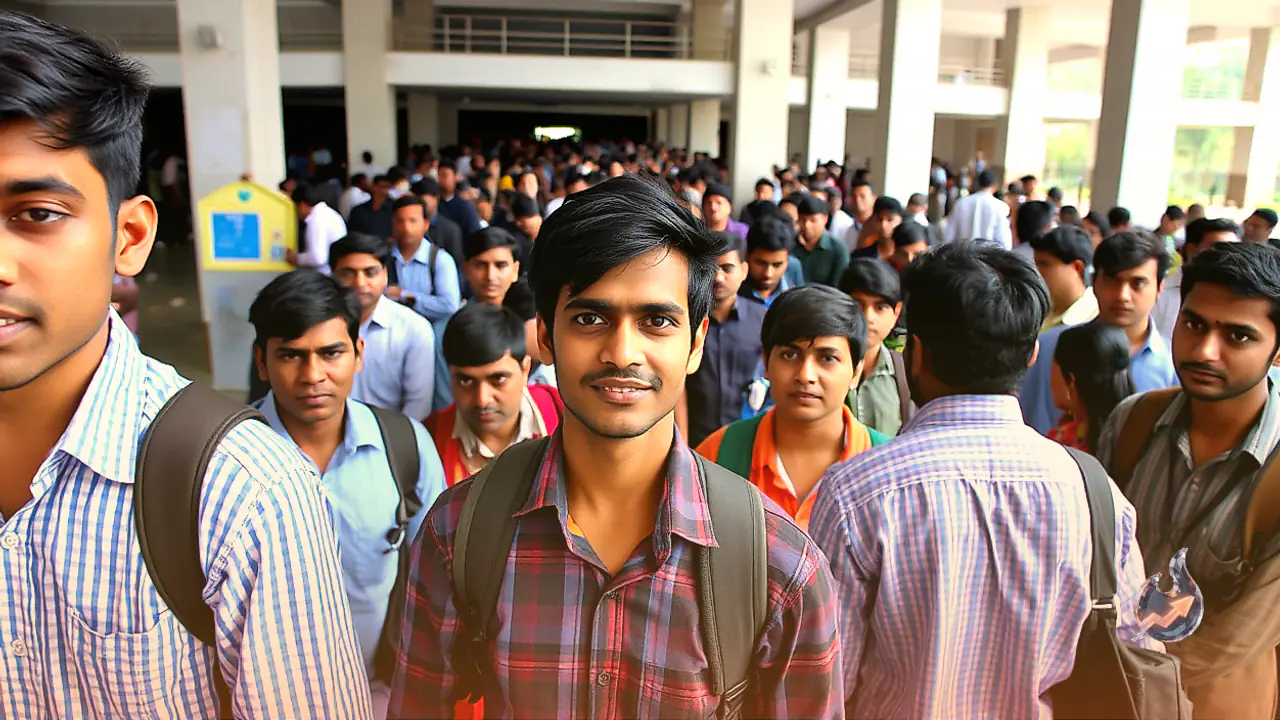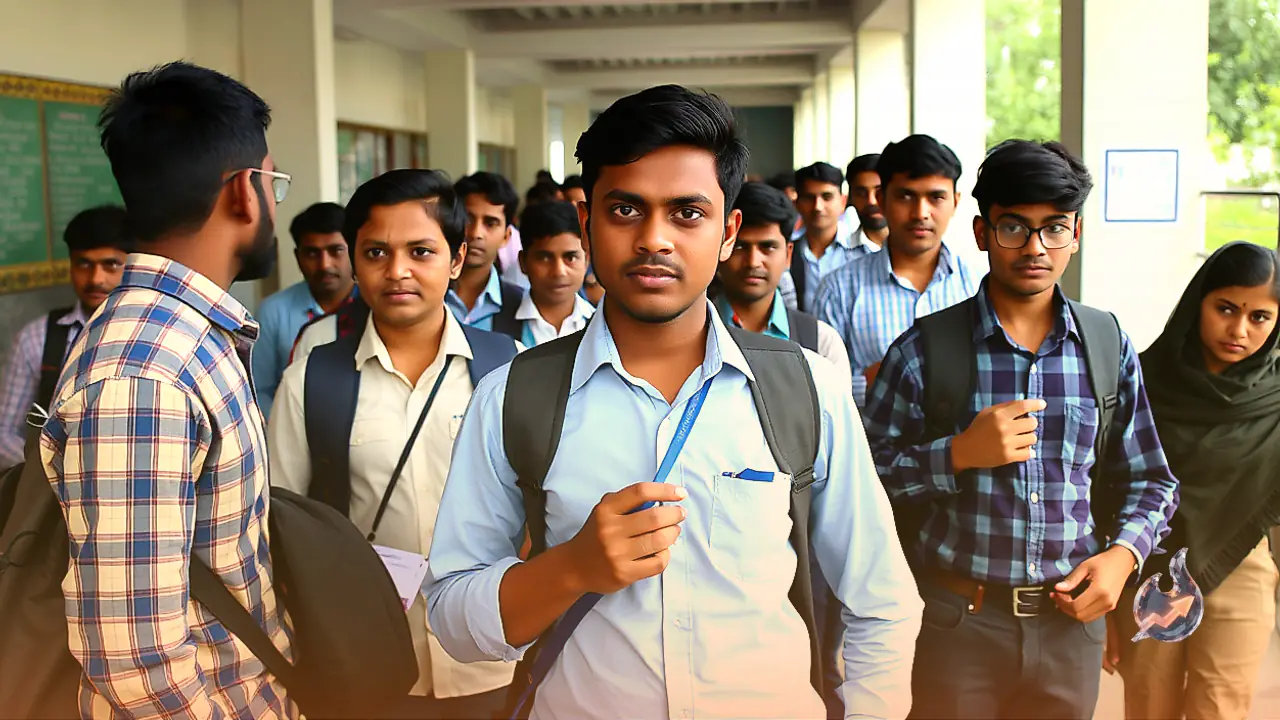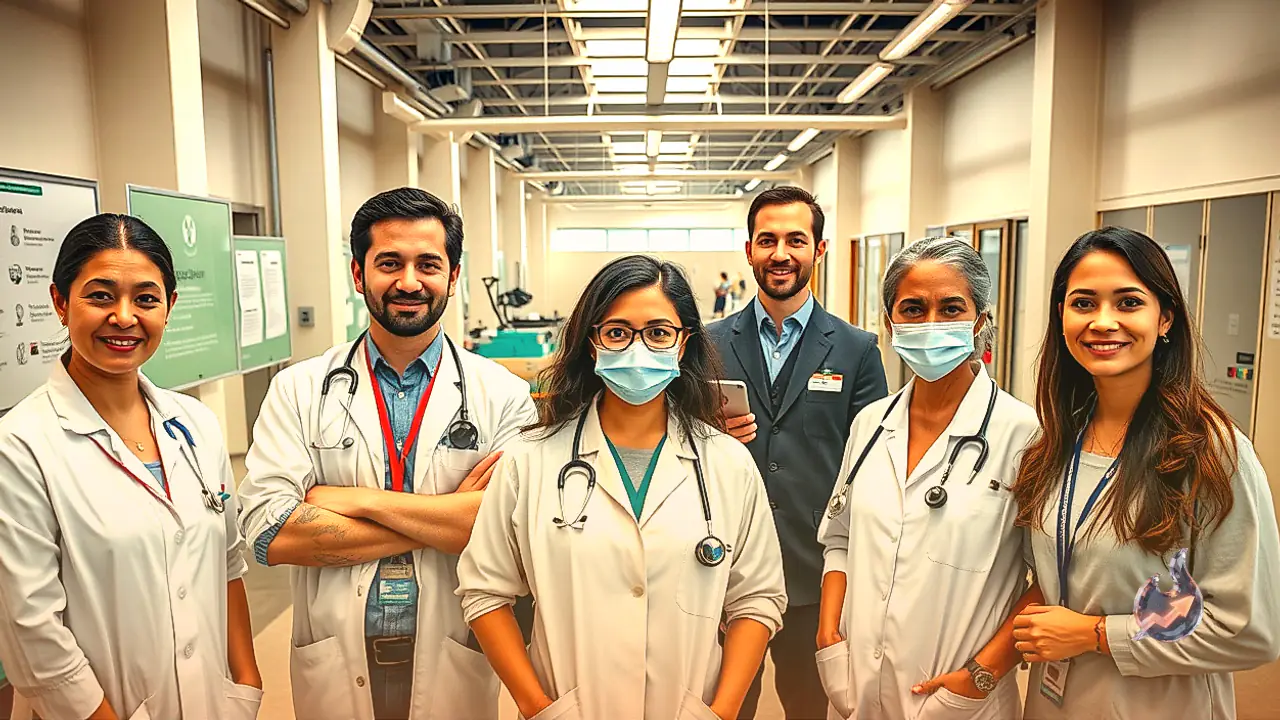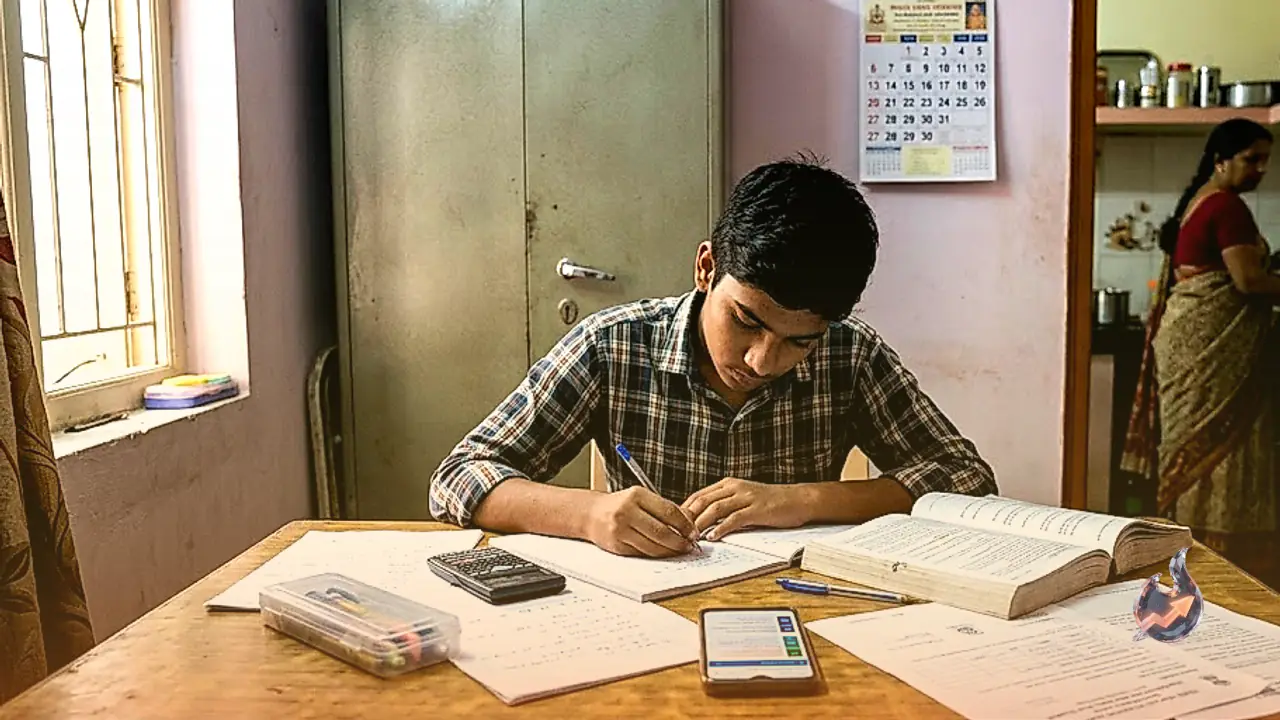
















Finishing school marks the closure of one disciplined chapter and opens the gates to an entirely unfamiliar phase of independence. Transitioning from the structured confines of classrooms and teacher supervision into the open environment of higher education gives students a profound sense of liberation. Fresh entrants usually carry ambitious aspirations, aiming to become medical professionals, software engineers, or successful corporate executives. However, without well-informed mentoring, many young individuals inadvertently commit serious missteps whose repercussions follow them throughout their professional lives.
Relying Solely on a Degree While Ignoring Practical Skillsets
A widespread misconception among undergraduates is the assumption that holding an academic degree automatically guarantees lucrative job offers upon graduation. The contemporary employment market operates on completely different principles. Modern organizations look far beyond textbook knowledge; they actively seek candidates equipped with practical competencies, hands-on capabilities, and a problem-solving mindset.
When learners fail to acquire specialized technical abilities, coding expertise, digital proficiencies, or hands-on industry practices aligned with their domain, their academic credentials remain little more than formal certificates on a wall. It is therefore vital to look beyond conventional syllabus requirements. Students should consistently upgrade their profile by pursuing targeted online certifications, undertaking tangible projects, and remaining abreast of technological shifts throughout their college tenure.
Following the Crowd Instead of Aligning Choices With Aptitude
During the admission rush following final school exams, peer influence frequently overrides individual clarity. Students often sign up for engineering tracks, BCA programs, or BBA courses simply because their close friends or neighbors have enrolled in those disciplines, without assessing their own inclinations.
Choosing an academic path that lacks genuine personal interest turns learning into an exhausting chore after the initial excitement wanes. Students enrolled in mismatched disciplines struggle to give their best effort and rarely develop the mastery needed to stand out. Deciding on a career path requires a thorough self-evaluation of personal strengths, genuine passions, and the real economic demand expected in that sector over the coming decade.
Postponing Professional Networking and Crucial Internship Experiences
Many students spend their initial college semesters convinced that employment worries belong strictly to the final year. Consequently, they delay seeking practical internships and put off building meaningful professional relationships. In the present employment landscape, this delay represents an expensive strategic error.
A substantial share of hiring opportunities arises through platforms like LinkedIn and direct professional references. Undergraduates who avoid attending industry seminars, do not interact with practitioners, and bypass summer internships enter the post-college job market at a severe disadvantage. Real workplace exposure consistently outshines unapplied theoretical concepts when hiring managers assess fresh candidates.
Failing to Manage Time Effectively and Fearing Initial Setbacks
School and higher education function in drastically different ways. While school environments enforce external discipline through structured timetables and frequent reminders, college demands mature personal governance. Without self-imposed boundaries, students frequently waste hours consuming digital entertainment, browsing social media video feeds, and neglecting productive pursuits.
Coupled with poor scheduling is an excessive fear of early failures, such as receiving low marks or struggling with difficult coding challenges. In competitive sectors, daily consistency and disciplined time management serve as core differentiators. Making incremental learning a daily habit builds the stamina needed to overcome inevitable roadblocks.
Underestimating Interpersonal Communication and Professional Personality
Exceptional technical understanding counts for little if an applicant struggles to articulate thoughts clearly and confidently during an employment interview. Many students place technical subjects on a pedestal while ignoring voice clarity, posture, active listening, and concise expression.
Modern companies rely heavily on collaborative team dynamics and delicate client interactions, making polished communication skills indispensable. Undergraduates should intentionally cultivate these attributes from their earliest college days. Participating in public presentations, group debates, and collaborative initiatives equips students with the poise, presence, and articulate demeanor that corporate recruiters seek.