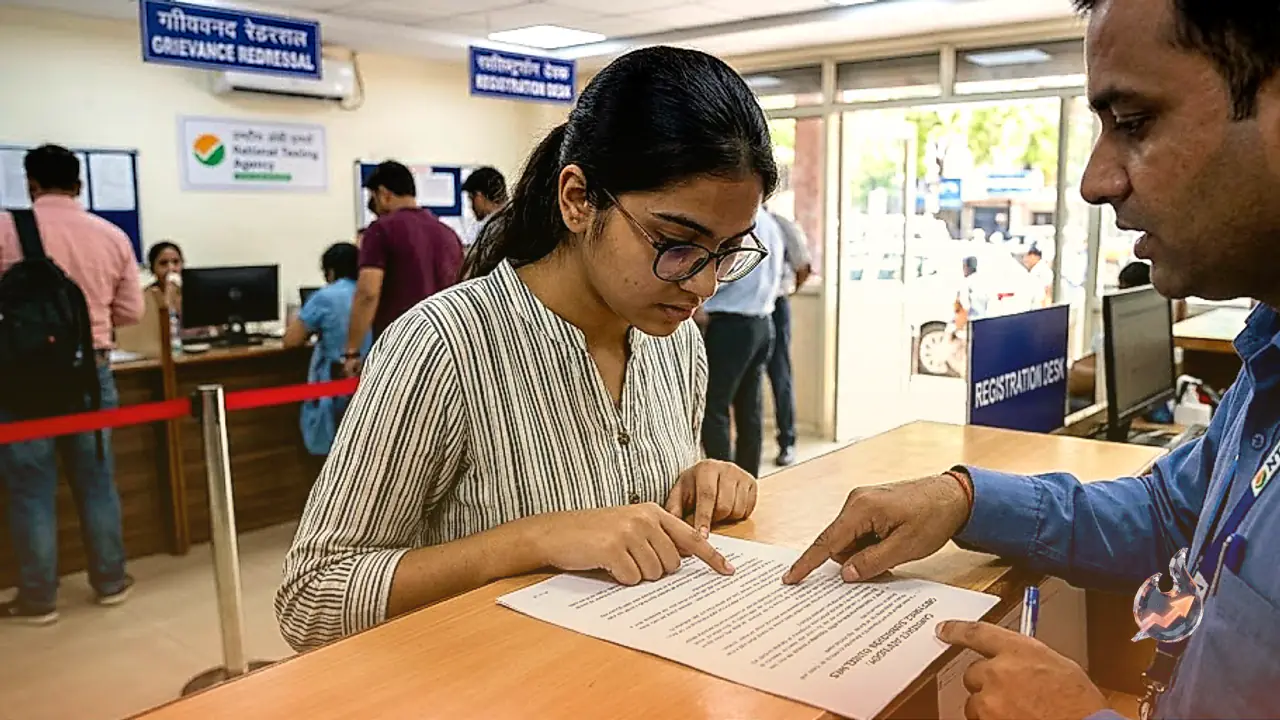

























Across India, hundreds of thousands of ambitious young individuals enroll in engineering and professional courses every year, carrying the heavy expectation of securing lucrative corporate careers. For many middle-class households, this dream comes at a massive financial cost and requires immense personal sacrifice. Parents often exhaust their life savings or take on burdensome educational loans to fund exorbitant tuition fees that easily range between fifteen to twenty lakh rupees. These families hope that upon graduation, their children will seamlessly transition into well-paying jobs. However, the harsh reality waiting at the end of a long four-year academic journey is often deep disappointment. Despite holding a formal degree, a vast majority of these graduates find themselves struggling to secure a job that matches their aspirations and qualifications, leading to a rapidly rising wave of unemployment among educated youth across the country.
The Changing Demands of the Corporate World
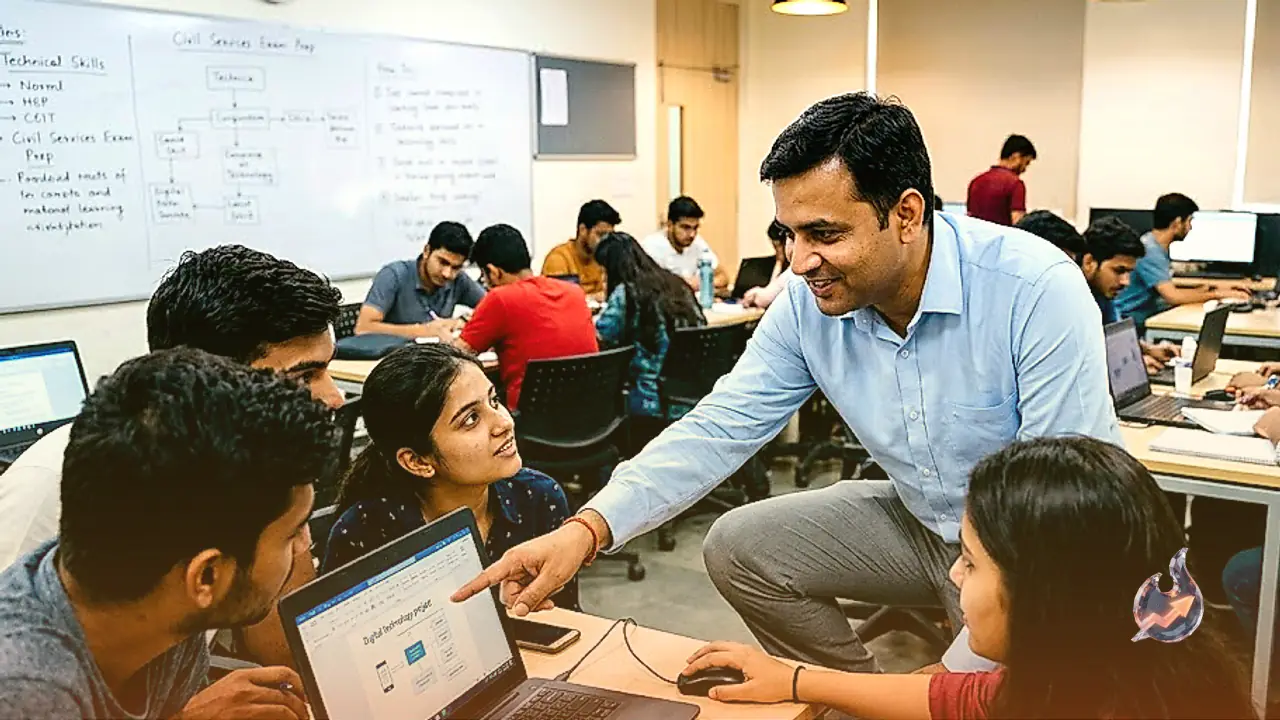
The landscape of the corporate world and campus placements has fundamentally shifted over the past decade. Career counselor and education expert Hitesh Rai, who teaches and mentors technology undergraduates from their first year right through to their final semesters, points out a massive and growing disconnect. Highlighting the gap between industry expectations and the education system, Rai states, "Today's biggest problem is that most students focus solely on acquiring a degree." Students frequently ignore the fact that modern employers have moved far past traditional hiring metrics and evaluation methods. The corporate sector no longer views a printed university degree as the ultimate proof of a candidate's competence. Instead, recruiters are aggressively hunting for practical abilities and the sheer talent to solve real-world problems instantly. Because graduates focus primarily on clearing semester examinations and securing high grades rather than building a strong portfolio of practical talents, they face repeated and demoralizing rejections during rigorous campus recruitment drives.
High-Growth Sectors and the Skill Deficit
We are living in an era defined by rapid technological transformation and the digital revolution, yet the workforce supply is failing miserably to match the specific demands of the market. There is an explosive and unmet requirement for talent in advanced, emerging fields like Artificial Intelligence (AI), Machine Learning, Data Science, and Cyber Security. As global business operations move entirely online, corporations are desperate to hire skilled security specialists who can protect their valuable and sensitive digital assets from sophisticated new hacking threats. Unfortunately, a massive chunk of the Indian student population graduates without ever touching these high-growth and highly paid domains. They leave college completely unequipped and untrained, especially for the roles that actually offer the best financial packages, excellent corporate perks, and long-term career stability.
Where Educational Institutions Are Failing
The blame for this massive employability gap and skill deficit does not rest entirely on the shoulders of the students. Our academic institutions also bear a significant portion of the responsibility for this ongoing crisis. While engineering colleges typically provide rigorous attention to foundational sciences during the initial semesters, their outdated curriculum completely fails to evolve with the rapidly changing needs of the industry in the crucial final years. Students spend vital time undertaking detailed studies of basic physics, chemistry, and mathematics, but they are deprived of the golden opportunity to develop modern technical proficiencies from the very beginning of their courses. If academic institutions proactively integrated training for modern platforms like Amazon Web Services, basic Data Science, Cloud Computing, and Cyber Security into their curriculum right from the first year, the overall employability of the entire graduating batch would multiply significantly.
Bridging the Gap with Real-World Experience
To fix this broken educational pipeline, universities must completely overhaul their traditional approach to practical training. Establishing deep, meaningful connections with active corporate professionals and industry veterans has become absolutely essential for campuses. Individuals who are currently navigating the daily complexities of the tech industry are in the best possible position to educate students about shifting market dynamics and emerging software requirements. Furthermore, prioritizing hands-on execution over merely dispensing theoretical knowledge must become the new standard. Engaging in live corporate projects, securing meaningful internships, and actively participating in industry-aligned workshops provides graduates with the exposure they need to understand actual workplace environments. This solid practical foundation not only builds immense self-confidence in students but also dramatically improves their overall performance in high-pressure corporate placement interviews.
The Rural Divide and Foundational Struggles
The academic struggle is exceptionally steep and challenging for students migrating from tier-two cities and rural areas. Every year, thousands of young aspirants from states like Uttar Pradesh and Bihar travel to major educational hubs like the National Capital Region (Delhi-NCR) and other metropolitan cities in pursuit of higher education and a brighter future. Many of these students rely entirely on the government school system during their formative years, where access to early computer literacy is severely limited or almost non-existent. Without a solid technical foundation built during their school days, these students face massive mental hurdles when trying to comprehend complex programming concepts after entering college. Addressing this deep educational inequality requires a massive, coordinated upgrade in school-level computer education and the immediate recruitment of highly qualified technology teachers at the grassroots level.
A Roadmap for Future Job Seekers
For those currently navigating their crucial college years, the path to a successful placement requires a dual focus and extra dedication. Relying purely on the standard university syllabus and textbooks is almost a guarantee of failure. Undergraduate students must proactively master core programming languages like Java, Python, and C++. Beyond just hard coding, they must also develop strong capabilities in everyday practical tools like Data Analytics and Excel. Soft skills are equally as important as technical knowledge. Major companies are actively searching for versatile candidates who possess strong, effective verbal communication skills and the ability to clearly articulate their complex technical problems and solutions to others. The future belongs entirely to technology-driven roles. Ultimately, graduates who dedicate their time to continuous learning and adapt themselves to new digital tools will be the ones claiming the most rewarding and secure opportunities in the modern workforce.