
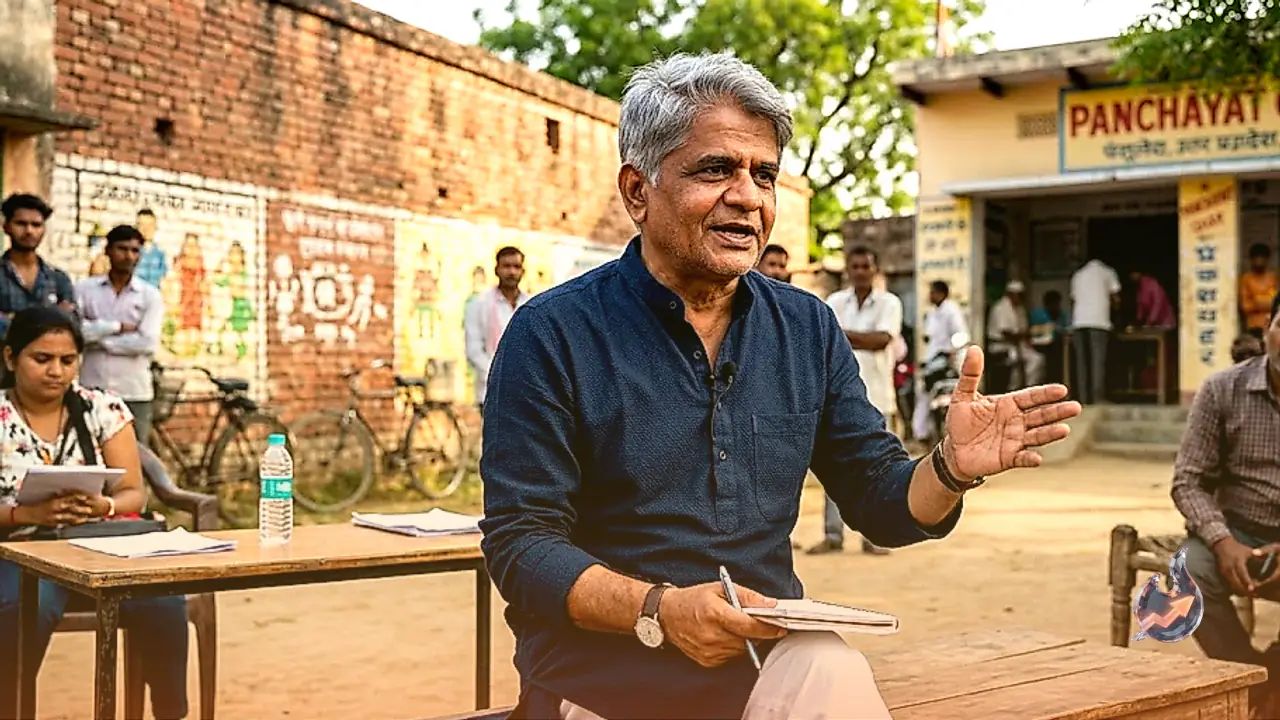
























Every year, educational institutions confer degrees upon millions of ambitious graduates, yet stepping directly from academic classrooms into the modern workplace often proves to be an intense transition. Academic systems typically focus on rote memorization, achieving examination scores, and completing predetermined syllabi. However, the moment a candidate faces an entry-level job interview, the evaluation criteria shift entirely. Hiring managers rarely assess how well an applicant memorized historical dates; instead, their primary objective is determining whether the individual can resolve practical, real-world workplace dilemmas efficiently.
While traditional classrooms impart theoretical grounding, the contemporary corporate ecosystem prioritizes hands-on operational capability. Relying exclusively on formal academic degrees can no longer sustain a flourishing career path. Enterprise expectations have transformed significantly, creating urgent demand for emerging talent that refuses to remain passive executioners. Instead, modern enterprises seek professionals who demonstrate initiative, operate intelligently, and move synchronously with technological progress. Acquiring these key proficiencies before leaving college has become the deciding factor in securing meaningful employment.
Mastery of Artificial Intelligence and Modern Digital Utilities
Modern workplaces are being reshaped by artificial intelligence, making AI literacy an indispensable requirement rather than an optional skill. Viewing generative tools like ChatGPT as shortcuts or unfair advantages represents a fundamental misunderstanding of industry evolution. Forward-looking corporations deliberately seek professionals capable of leveraging AI instruments to enhance productivity and accelerate operational workflows tenfold. From diagnosing coding bottlenecks to processing complex analytical datasets and generating strategic documentation, utilizing smart technology effectively stands as today's foremost workplace qualification.
Strategic Communication and Active Listening Practices
Even the most innovative conceptual proposal loses its utility if its creator cannot articulate it coherently to team members and decision-makers. Daily office environments mandate clear communication with team leaders, executive leadership, and external enterprise clients. Professional communication transcends mere linguistic fluency; it demands delivering messages with directness, clarity, and precision. Equal importance lies in active listening, which ensures that instructions, client feedback, and operational nuances are understood without ambiguity.
Prudent Salary Allocation and Expense Planning
Receiving that initial paycheck brings immense personal satisfaction to young professionals, yet financial mismanagement frequently turns that milestone into stress. Many first-time earners exhaust their remuneration without structural planning, finding themselves seeking financial assistance before the month concludes. Developing budgetary discipline during university days by managing allowances provides essential preparation. Learning to balance unavoidable daily expenditures, intentional savings, and emergency allocations establishes financial stability early.
Personal Wealth Accumulation and Investment Awareness
Earning an income represents only the initial phase of financial well-being; deploying capital to generate sustainable returns constitutes the true challenge. Given that escalating inflation steadily erodes the purchasing power of conventional savings accounts, keeping funds idle limits long-term wealth creation. Students must understand the exponential power of compounding interest alongside the fundamentals of disciplined market participation, including systematic investment plans, mutual funds, and diversified equity portfolios.
Cultivating Initiative and Genuine Project Ownership
Academic environments typically condition individuals to act only when an explicit assignment is issued. Conversely, professionals who wait passively for direct instructions in a corporate setting quickly fall behind their peers. Organizational recognition flows toward individuals who independently embrace responsibilities, anticipate operational obstacles, and proactively propose inventive strategies. Demonstrating genuine ownership distinguishes promising contributors from routine personnel.
Analytical Problem-Solving and Critical Evaluation
Professional environments deliver daily operational hurdles, ranging from software compilation failures to strained client relationships and compressed project deadlines. Modern employers actively seek proactive problem-solvers rather than individuals overwhelmed by adversity. Deconstructing complex obstacles calmly into manageable components, evaluating root causes, and executing practical remedies represent the core requirements of critical reasoning in the workplace.
Stress Resiliency and Precise Time Prioritization
Balancing multiple concurrent project assignments, managing sudden client inquiries, and meeting urgent end-of-day milestones can create elevated workplace tension. Surviving and excelling within high-pressure environments necessitates rigorous scheduling protocols and emotional intelligence. Developing the discipline to organize tasks systematically by operational urgency shields professionals from reactive panic and prevents sudden burnout.
Advanced Research Literacy and Productive Software Utilization
Conducting simple online queries via search engines does not equate to professional research competence. Industry-ready graduates must possess the ability to extract authenticated information from credible, verified sources systematically. Furthermore, demonstrating operational comfort with modern collaboration and tracking platforms, such as Notion, Trello, and advanced spreadsheet software, alongside maintaining a clean, professional digital footprint, serves as a standard baseline across diverse sectors.
Collaborative Team Dynamics and Collective Effort
Individual intellectual capability cannot substitute for cohesive teamwork when operating complex enterprise machinery. Workplaces gather professionals with varied temperaments, communication styles, and cultural perspectives. Navigating these environments requires setting aside personal ego, accommodating the limitations of peers, and coordinating collective efforts toward an overarching organizational objective.
Sustained Curiosity and Lifelong Professional Learning
Securing a graduation degree does not signify the completion of one's education, particularly given that market requirements and software frameworks evolve every few months. Long-term professional longevity belongs exclusively to those who retain an appetite for continuous skill acquisition. Rather than resisting procedural or technological shifts, embracing ongoing personal development ensures an individual remains adaptable and competitive throughout their career journey.