





















Agricultural producers in Chhattisgarh are currently facing a serious agricultural challenge as destructive pests target local fields. Across multiple villages in Balod district, sugarcane crops are enduring a heavy infestation of sap-sucking insects. Dr. K.R. Sahu, senior scientist and head of Krishi Vigyan Kendra Balod, reported that black flies and pyrilla pests have become active in the fields. Without prompt identification and proper management, this pest activity can severely stunt the growth and yield of the crop.
Identifying The Threat Through Leaf Damage
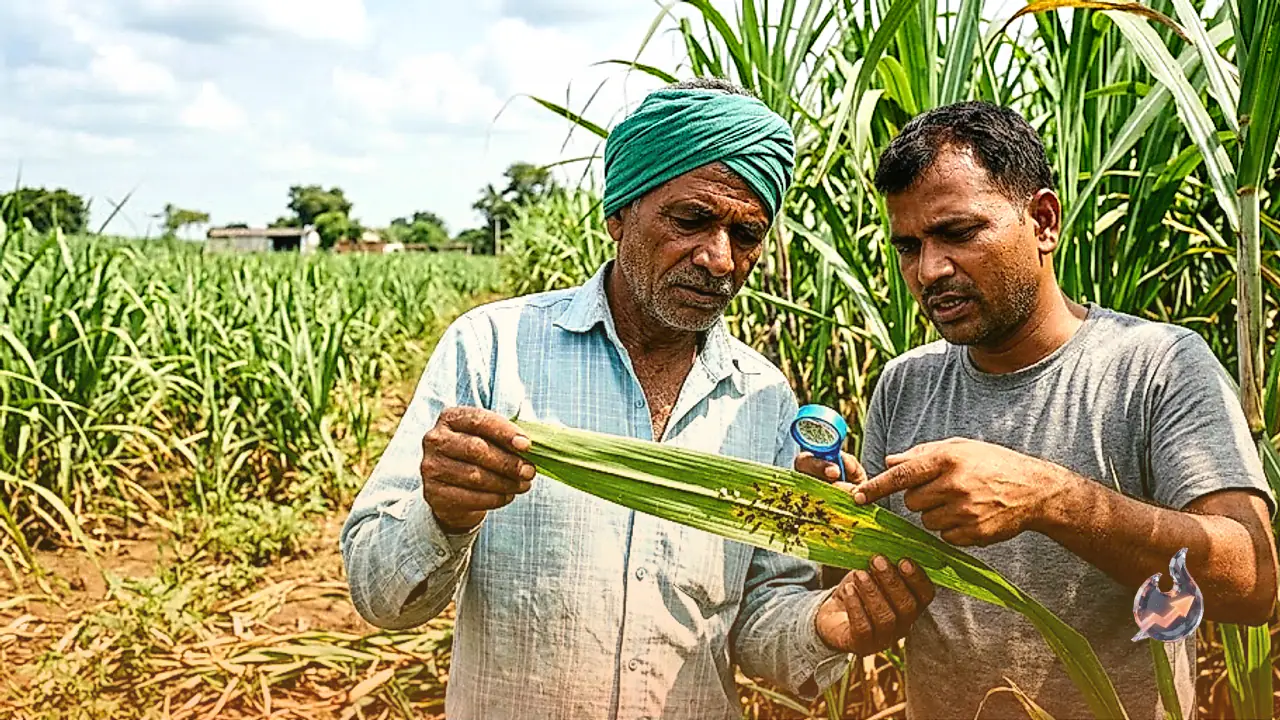
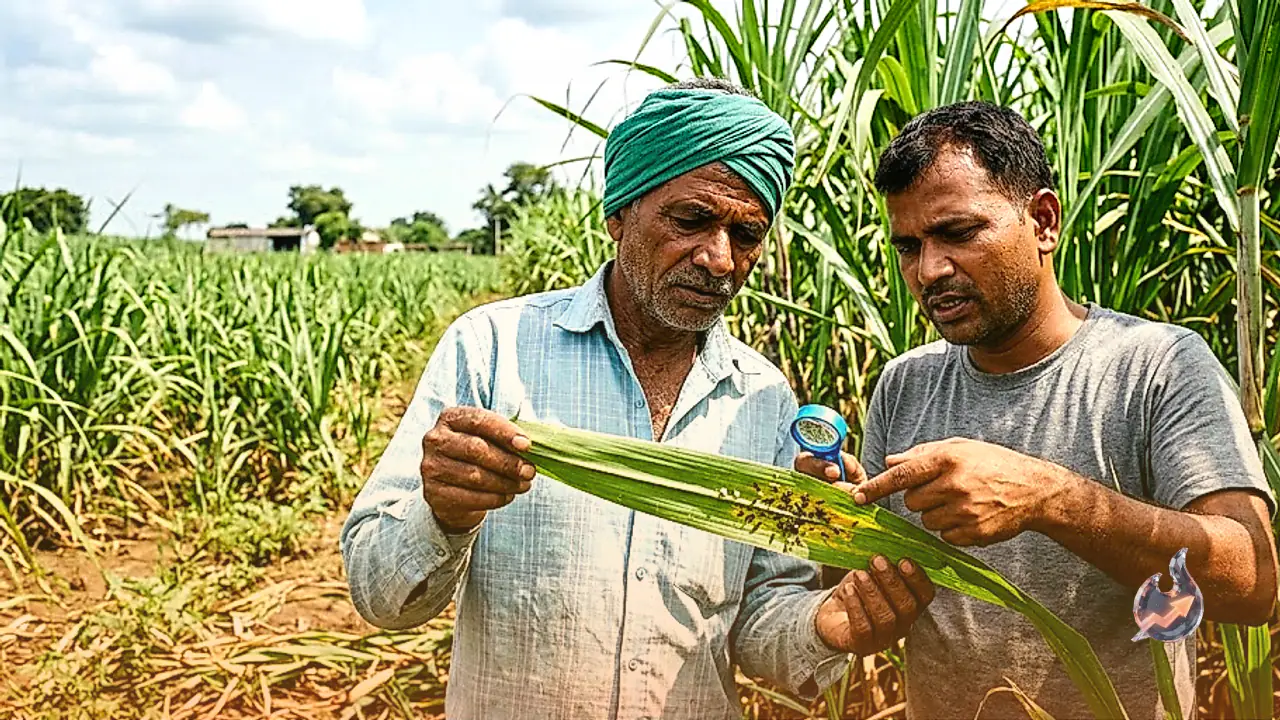
According to Dr. Sahu, black fly infestations manifest as dark patches forming across the sugarcane leaves. These pests feed by draining the vital sap from the foliage, causing the edges of the leaves to turn yellow. If the infestation intensifies, the leaves begin to dry up completely, halting the vertical expansion and overall development of the sugarcane stalks.
Mistaking Dangerous Pests For Common Ants
Field inspections conducted by the Krishi Vigyan Kendra team revealed a common misconception among local growers. Many farmers have been misidentifying the pest as ordinary ants. Experts clarified that while a standard ant is relatively large and dark, this particular insect features a light brown coloration, a smaller build, and rapid movement across the plants.
Protecting Natural Predators During Pyrilla Outbreaks
Pyrilla outbreaks are also creating agricultural concerns within the region. Scientists advised farmers not to destroy the white fungus-like webbing that frequently appears on pyrilla pests. This biological formation assists in natural pest control. Furthermore, preserving the beneficial predatory insects already present within the field ecosystem remains essential for balanced crop health.
Guidelines For Applying Chemical Sprays
To combat these sap-sucking insects effectively, Dr. Sahu recommended utilizing a thiamethoxam-based formulation. He advised mixing one gram of the chemical per liter of water for spraying operations. When dealing with tall and dense sugarcane stands, growers can employ power sprayers or agricultural drones. However, drone-based applications require careful attention to canopy density and thorough coverage.
Additionally, before utilizing alternative options such as proxyfham 10.8% EC and bifenthrin 10% EC based on availability, farmers must consult local agricultural experts regarding the current crop status and registered label guidelines. Pesticides should always be applied strictly in accordance with the target crop, pest category, and dosage specified on the product label.