




















Farmers cultivating oilseeds across Bharatpur district are facing a critical situation as their sesame crop reaches its final and most decisive developmental phase, maturity. Under ordinary circumstances, this stage signals impending harvest and prosperity for growers, but unpredictable pest infestations and crop diseases have suddenly emerged as a serious menace this season. Sesame stands as one of the primary commercial oilseed crops cultivated extensively throughout the region. Failure to safeguard plants during this sensitive interval could wipe out the farmers' labor and investments. Without prompt diagnosis and timely intervention, the impending damage will negatively impact both aggregate crop yields and seed quality. In light of these emerging risks, the agriculture department has released a targeted advisory for all growers across the district.
Close Field Inspections Urged by Authorities
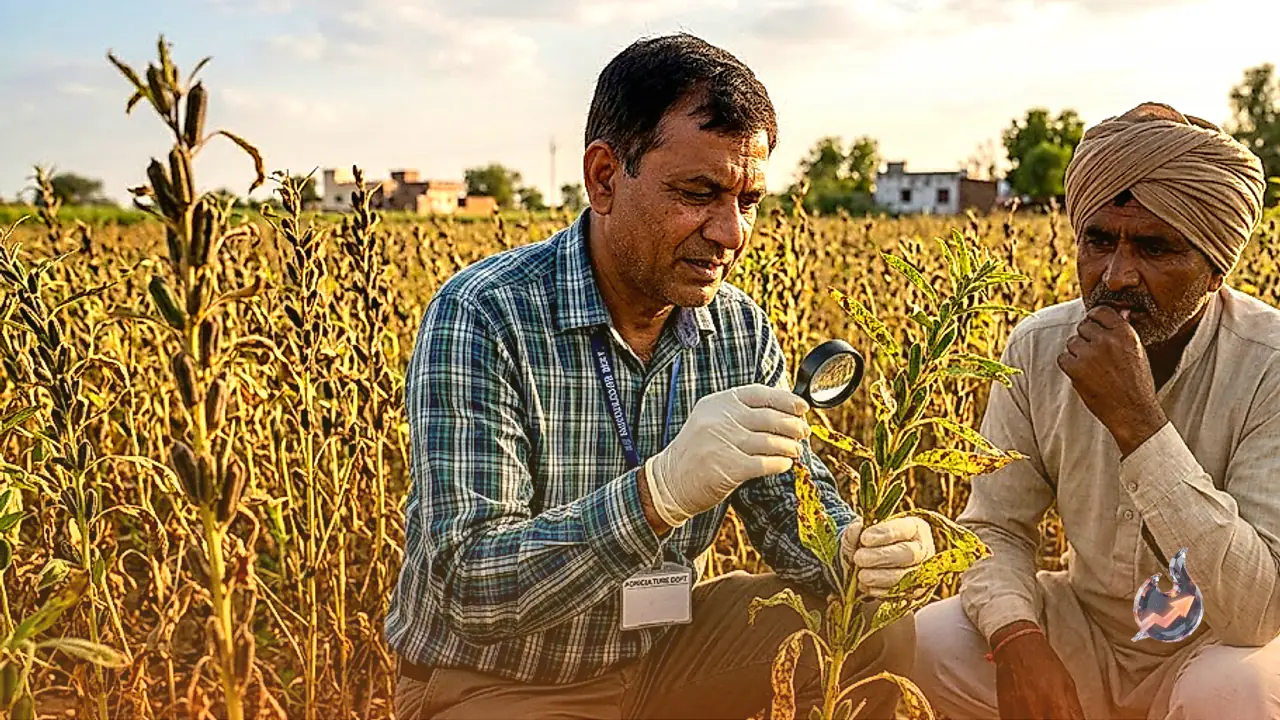
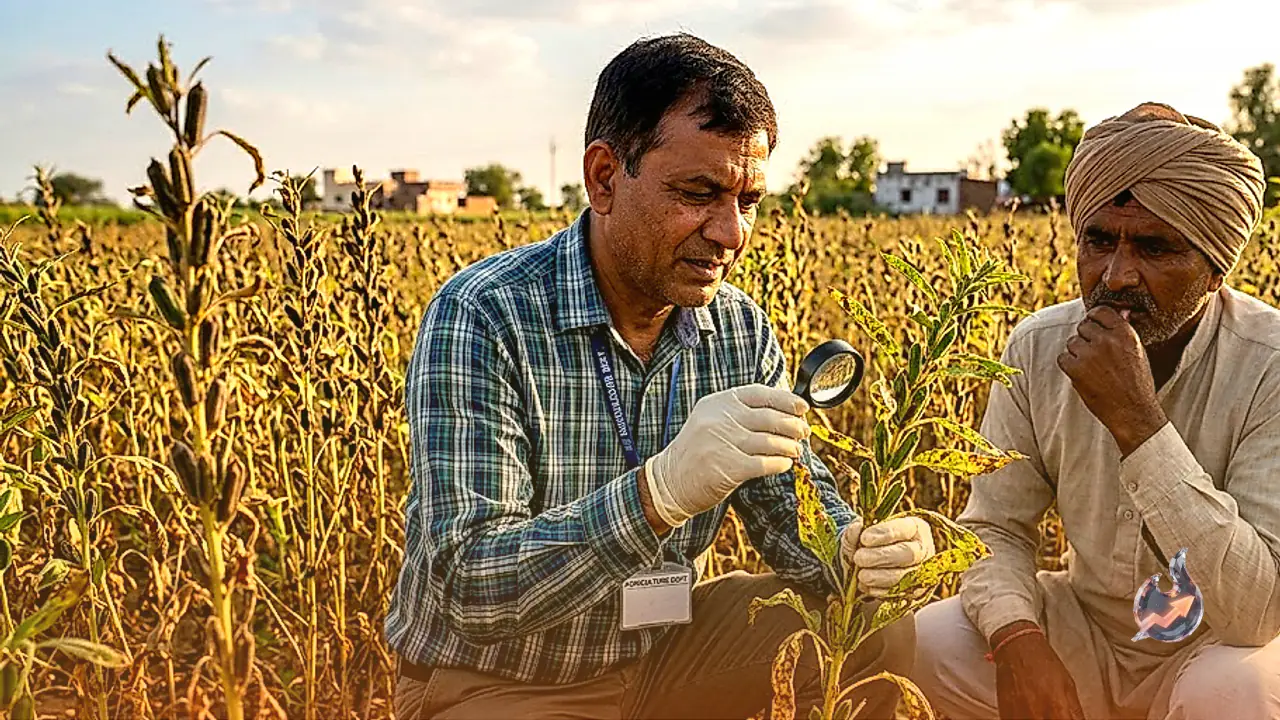
The agricultural authorities have strictly instructed farmers to keep their plots under close and continuous observation. Growers have been cautioned never to disregard any atypical visual developments on their plants. Deshraj, Additional Director of the Agriculture Department, provided comprehensive technical context regarding the situation. He emphasized that the maturation period of sesame demands extraordinary care and precision management. During this developmental phase, the internal disease resistance of sesame plants undergoes physiological shifts, making them exceptionally vulnerable even to minor atmospheric and weather fluctuations, which quickly facilitate the spread of infections.
Phyllody and Leaf Spot Outbreaks Identified
Field assessments currently highlight a sharp spike in phyllody disease, which presents an aggressive threat to the maturing crop. When plants succumb to phyllody, the normal structure of vegetative growth alters dramatically; flowers and developing leaves shrivel before rapidly drying up entirely. Alongside phyllody, the risk of leaf spot disease has escalated significantly during this ripening window. Leaf spot typically appears as deep, dark blotches across foliage, which progressively expand until the entire leaf tissue is destroyed. As leaves decline, the plant's photosynthetic capacity drops severely, leaving seed capsules devoid of healthy, well-filled grains.
Chemical Application and Expert Consultation
Additional Director Deshraj advised growers to inspect their fields methodically, focusing on stems, foliage, and developing pods for any sign of disease initiation. If early symptoms are confirmed, farmers may execute sprays using Dithenet-54, as recommended by the department. Nonetheless, official directives caution that no chemical treatment should ever be applied without direct advice from agriculture experts regarding dosage rates. Administering erratic or excessive quantities of agrochemicals can cause phytotoxicity, aggravating plant damage instead of remediating the infection.
Drainage Management and Protecting Harvest Value
According to the department, warning signs such as yellowing leaves, unexplained wilting, or distinct lesions across stems and pods should immediately prompt farmers to reach out to neighboring agriculture officers or crop specialists. Furthermore, efficient drainage control remains vital for disease containment. Growers must prevent unnecessary standing moisture across fields and ensure drainage outlets remain open following unseasonal showers or routine irrigation. Excess soil saturation creates an ideal breeding ground for destructive fungal pathogens. By remaining watchful and implementing timely agronomic interventions, local farmers can safeguard their sesame harvests from severe reduction and secure premium market prices for top-quality grain.