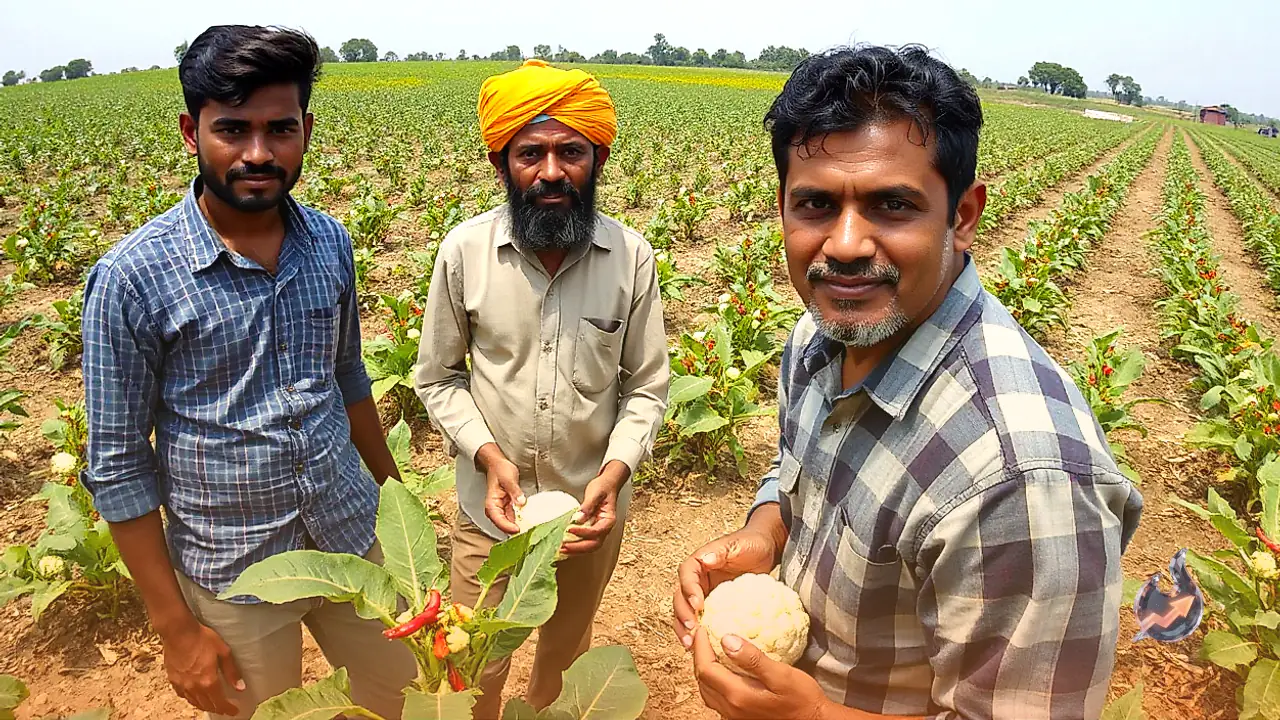





















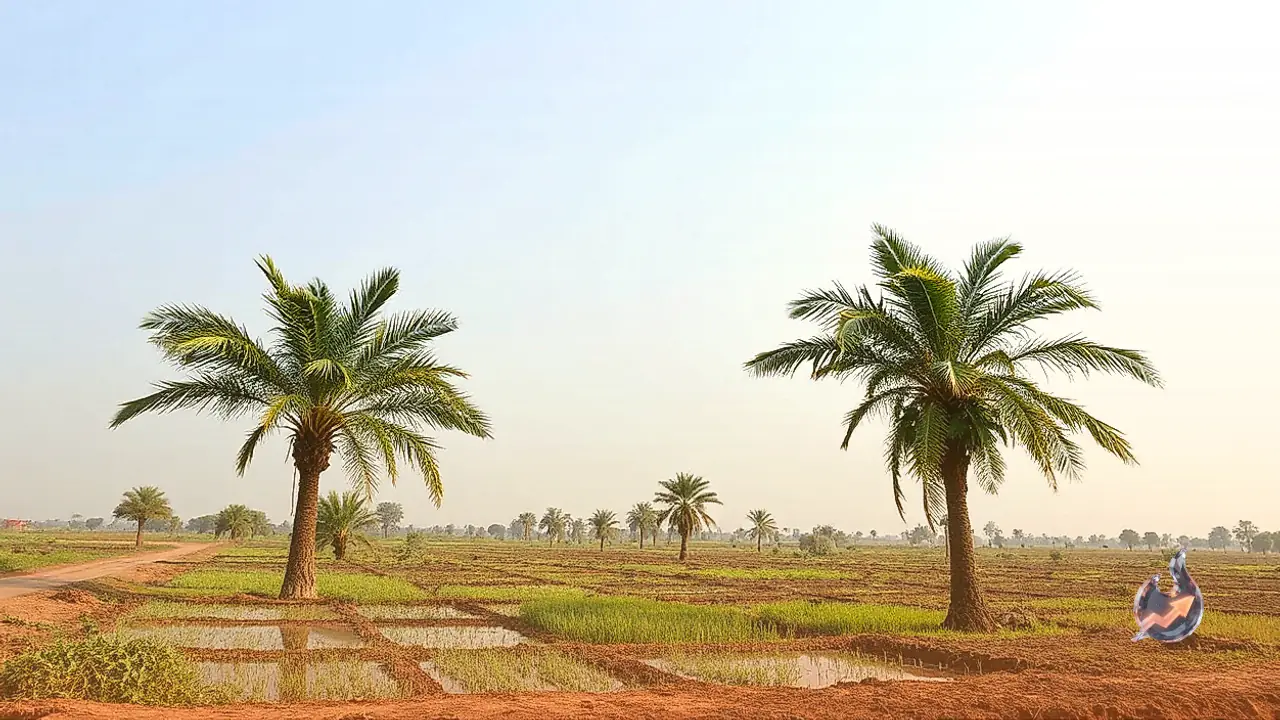

Farmers in the Bastar region of Chhattisgarh are receiving targeted support to adopt palm oil cultivation through a comprehensive subsidy program managed by the horticulture department. The financial assistance framework covers everything from initial sapling planting to irrigation setup and field maintenance, amounting to a total incentive of Rs 1,29,250 per hectare. Across Bastar district, palm oil trees have already been planted over approximately 500 hectares, which translates to nearly 1,250 acres of farmland.
Breakdown of Financial Assistance and Project Costs
According to figures provided by horticulture department official Vinod Joshi, establishing palm oil plantation over one hectare incurs a total estimated cost of Rs 1,08,000. Under the current state policy, the government offers a 50 percent direct subsidy on this expenditure, providing Rs 54,000 to eligible farmers. Additional funding is allocated to help growers establish reliable water sources on their land.
The financial relief provisions for infrastructure and maintenance include the following components
- Borewell and Tubewell Construction: Farmers receive Rs 50,000 in assistance for drilling a borewell or tubewell to secure water supply.
- Submersible Motor Pump Subsidy: Upon submitting an official invoice of Rs 1,20,000 for installing a motor pump, growers receive an 8,000 rupee rebate.
- Crop Maintenance and Intercropping Grant: An additional Rs 17,250 is disbursed to support field upkeep and encourage intercropping during the initial growth years.
Planting Guidelines and Yield Expectations
Agriculture officials have selected the Canera variety of palm oil saplings for planting across Bastar. The trees are spaced exactly 9 meters apart to allow optimal sunlight exposure and root development. Current crops have already developed fruit clusters weighing between 1 and 1.5 kilograms, with harvesters expecting the first commercial yield by December.
Palm oil provides long term returns for growers. While early harvesting yields around 1 ton per hectare, production rises steadily to between 5 and 6 tons per hectare as the trees mature over 8 to 10 years. A single fruit cluster can weigh up to 50 kilograms, and mature trees yield fresh fruit every 15 days.
Processing Infrastructure in Kondagaon and Commercial Uses
To process the harvested crop locally, a dedicated palm oil factory is scheduled to be constructed in neighboring Kondagaon district. Operating the processing facility at full capacity will require palm oil cultivation to reach at least 1,000 hectares across the region. Crude palm oil is a vital raw material widely used in food manufacturing, including potato chips, savory snacks, biscuits, and dairy products. Interested agricultural landholders can apply for the scheme by visiting their nearest district horticulture department office.