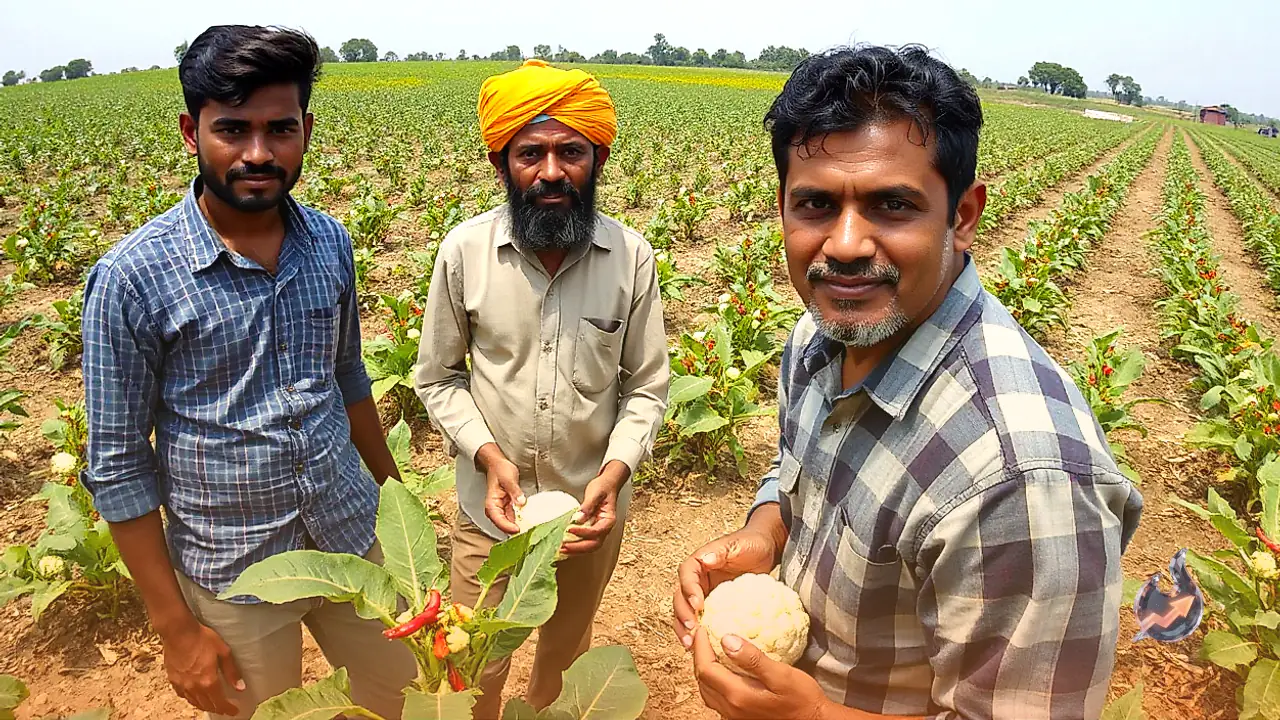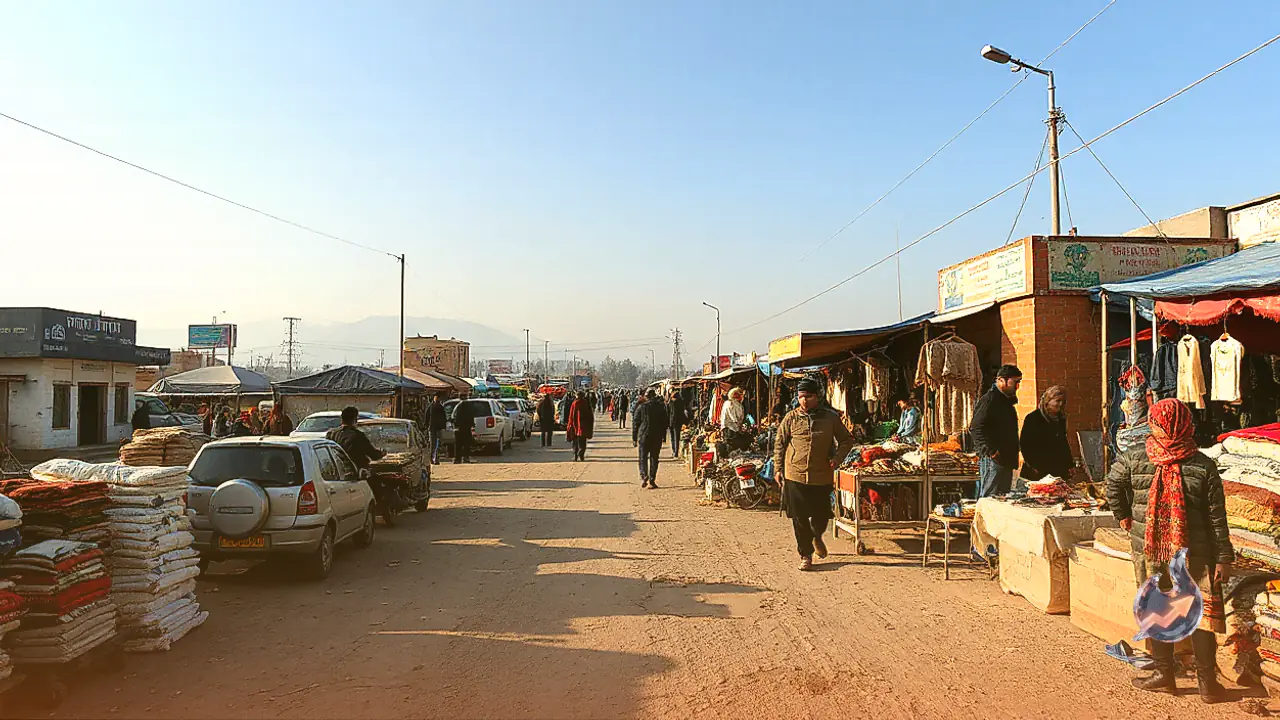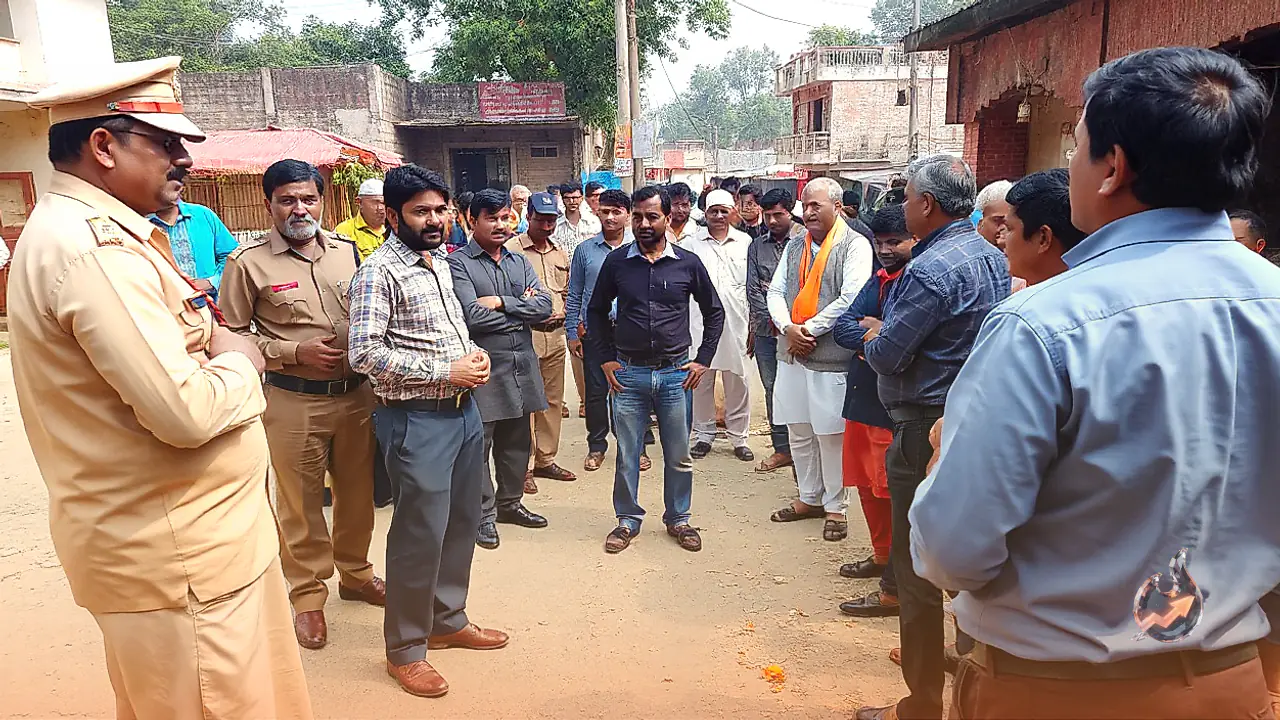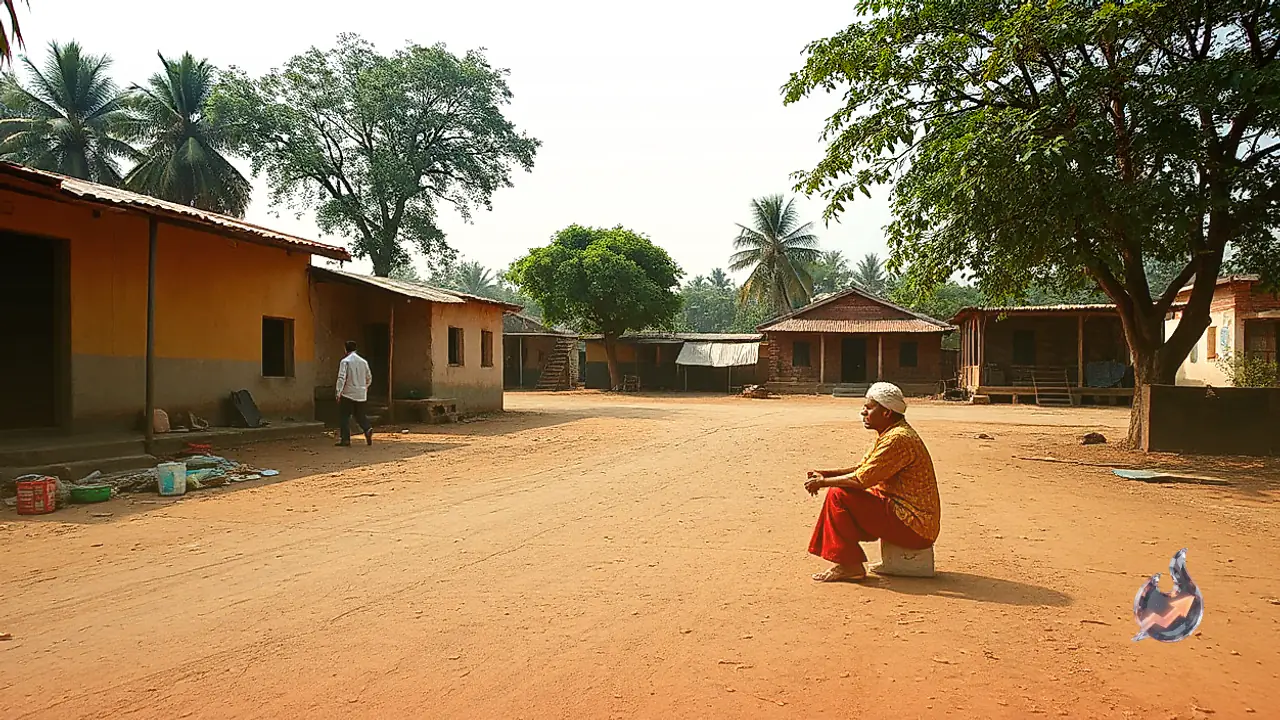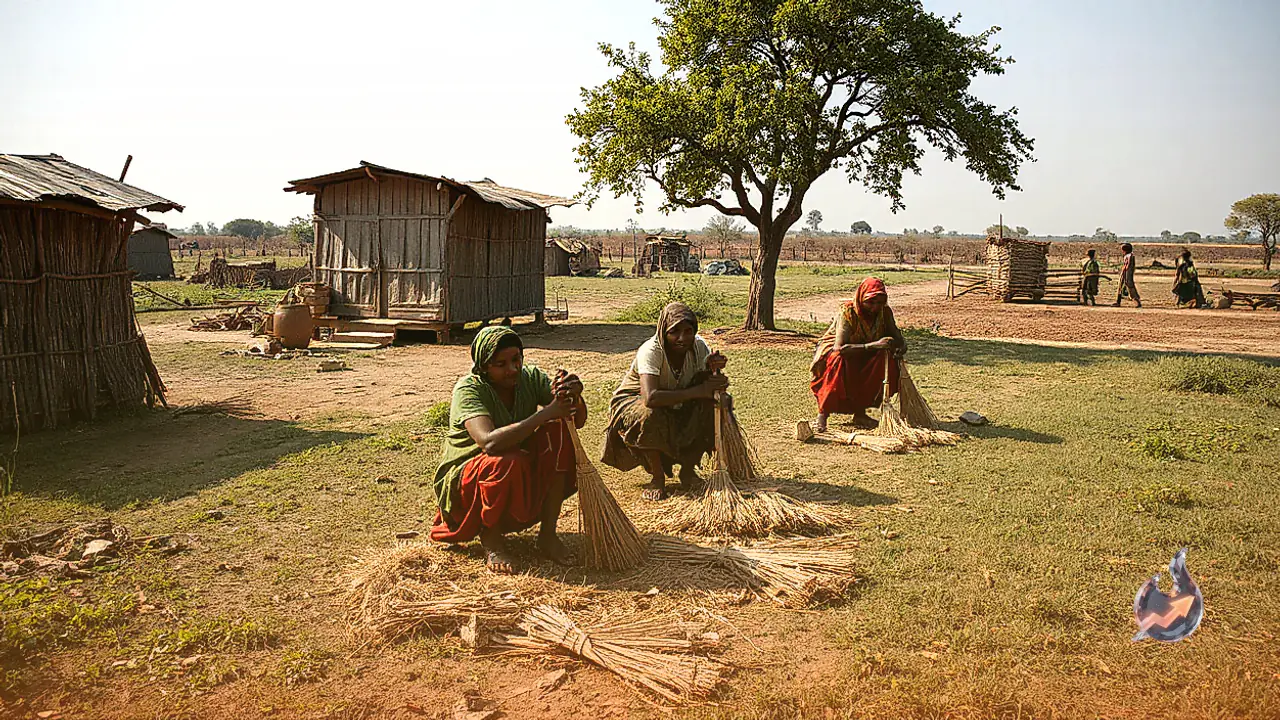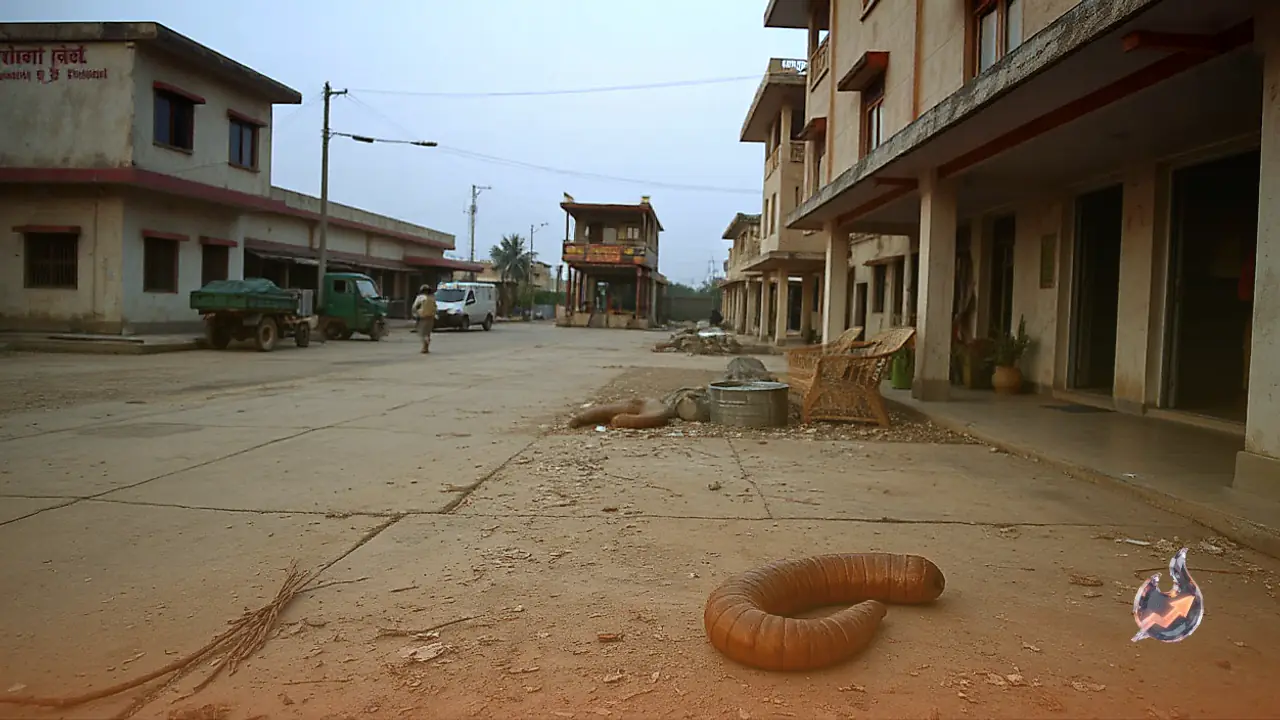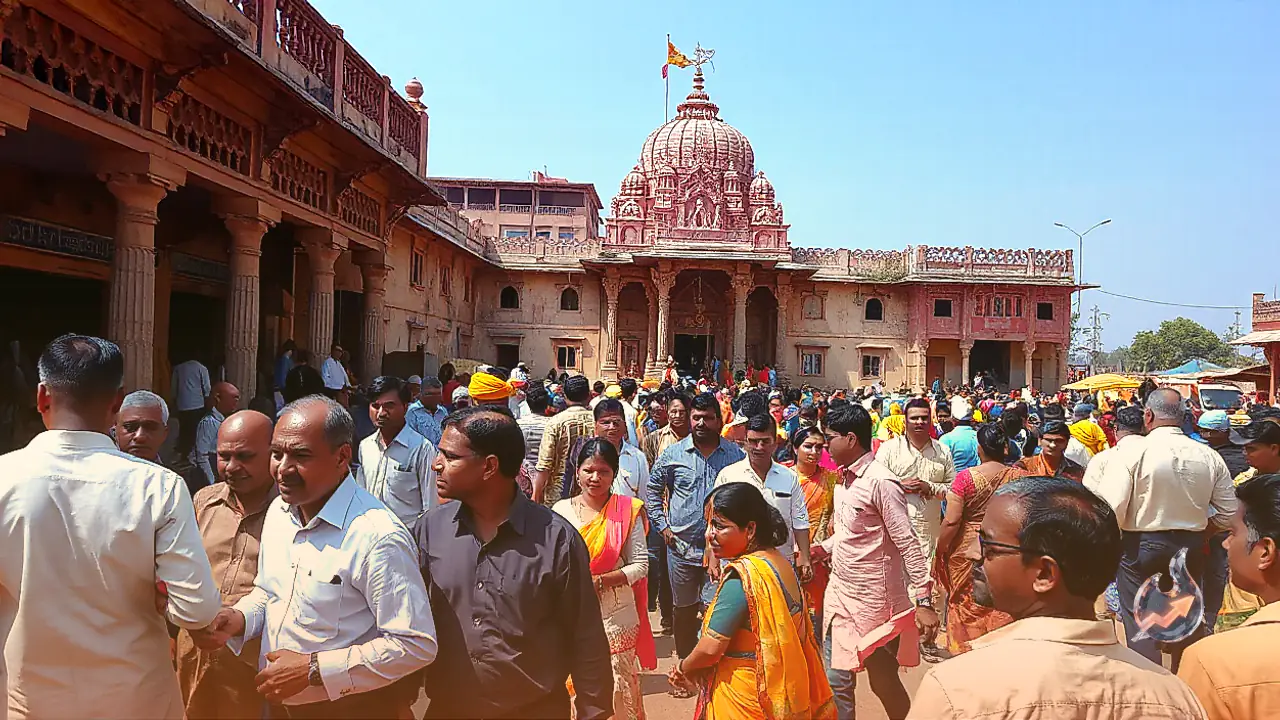
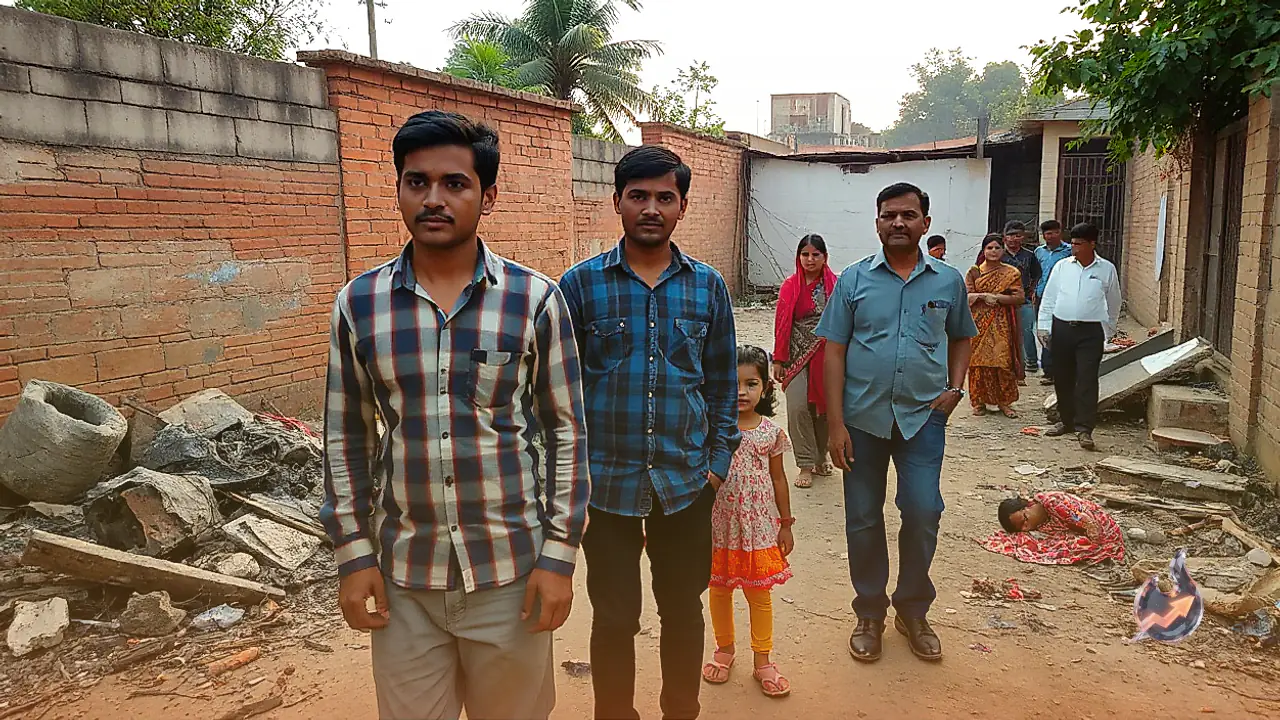

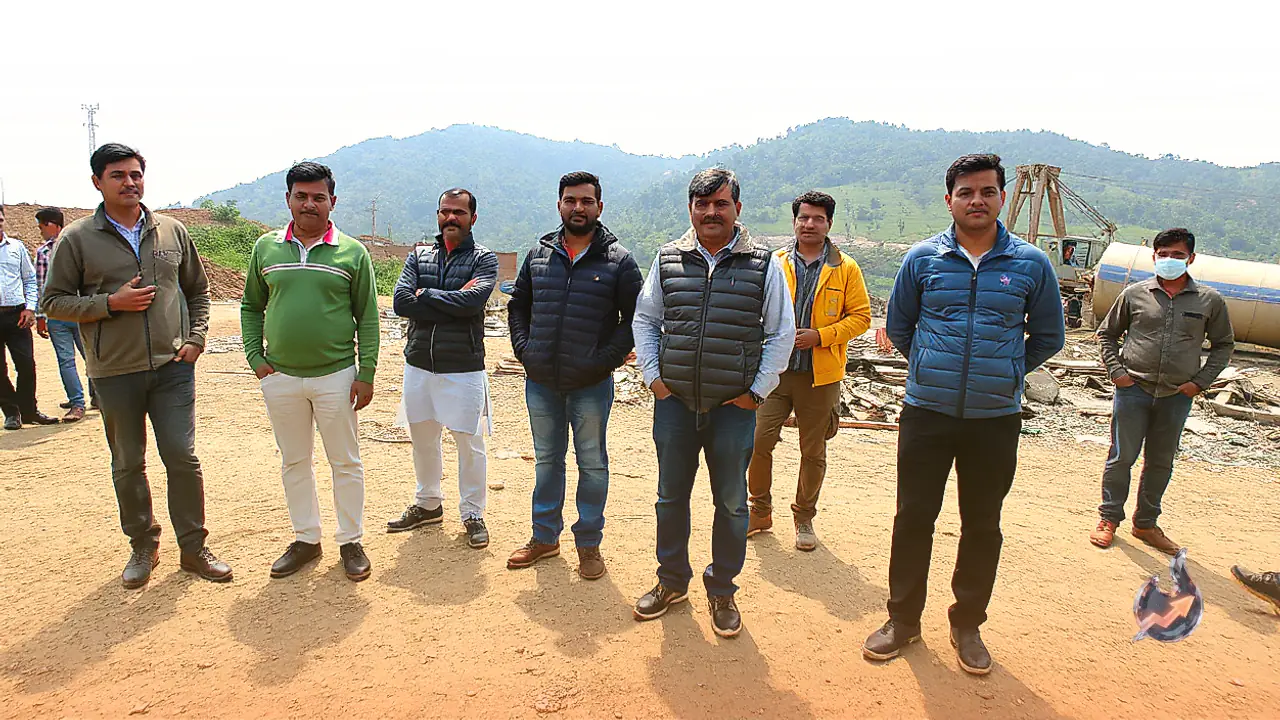
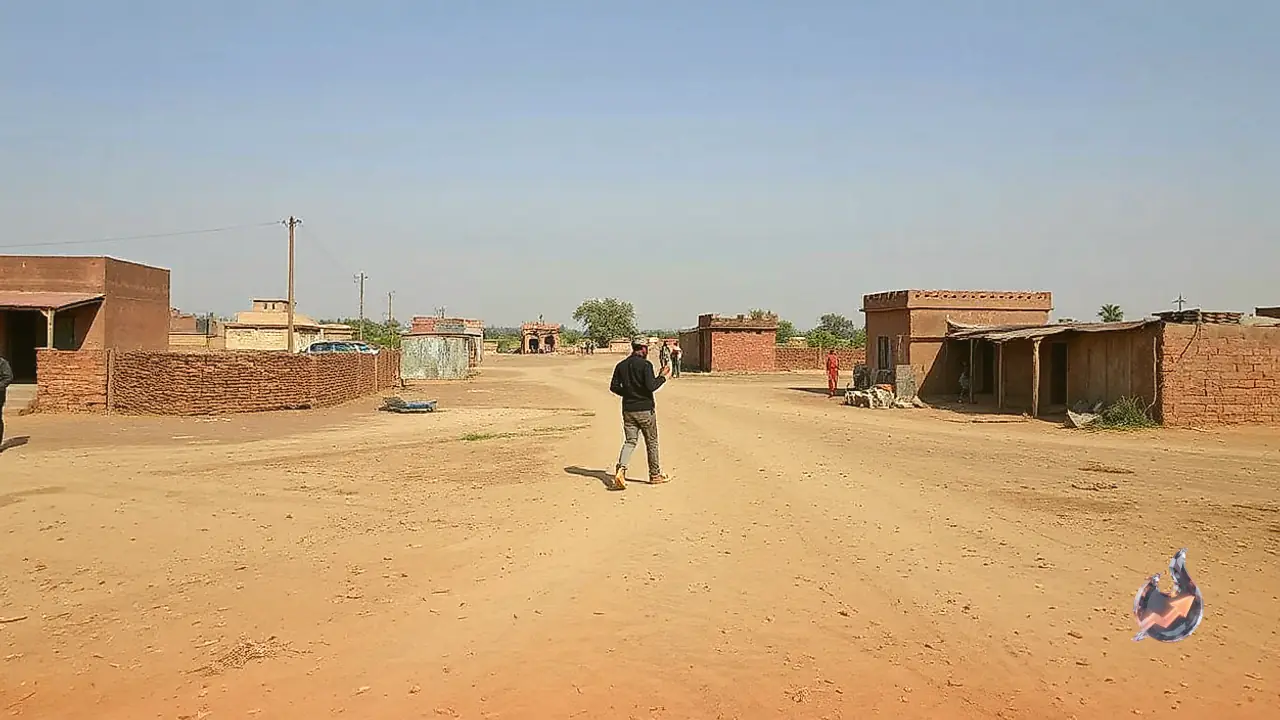
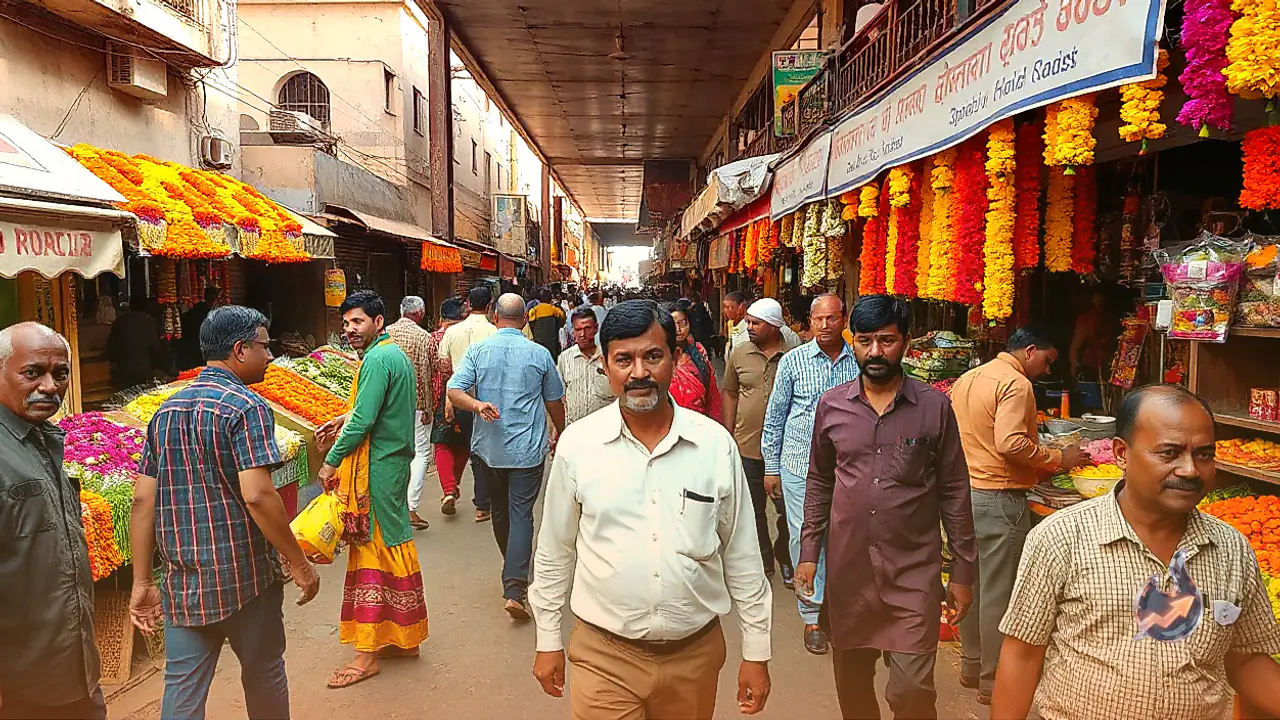














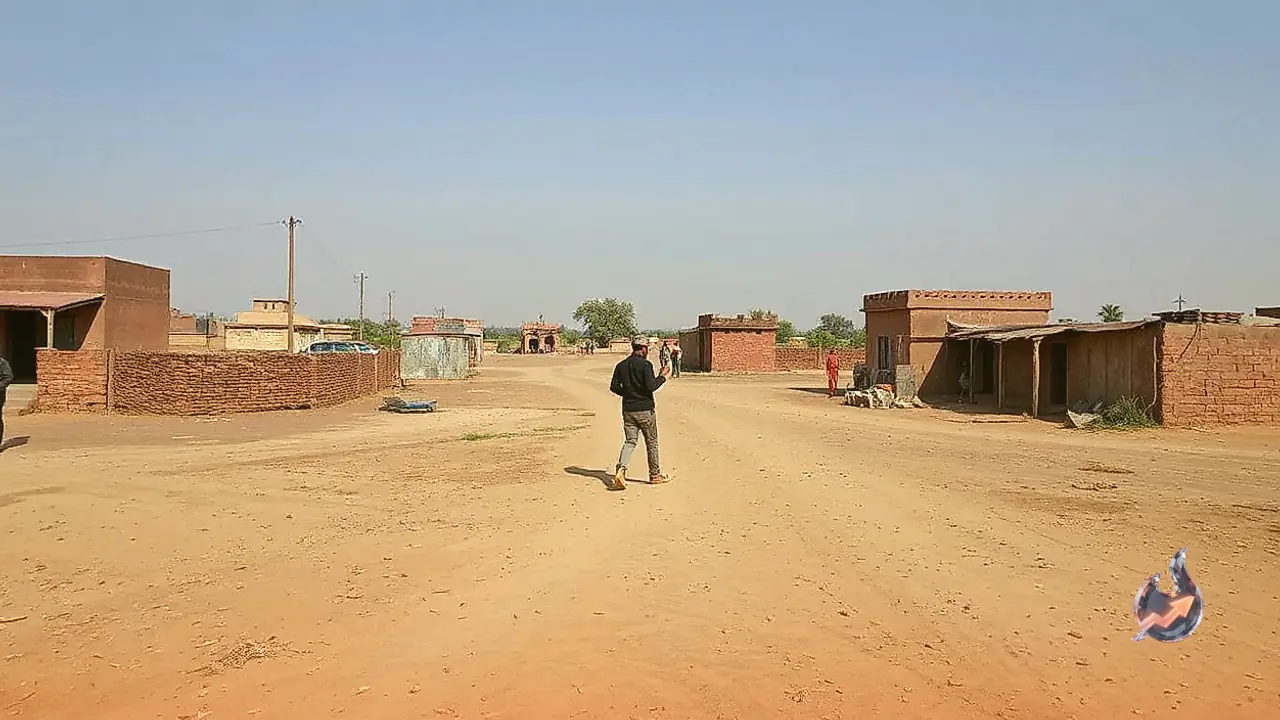

Traditional Korwa dwellings showcasing ancient tribal architecture and the vibrant Karma dance performed by Oraon youths in traditional finery highlight the distinct artistic and cultural lifestyle of the Surguja tribal community.
The Halba rebellion of 1774 stands as a significant tribal uprising in the history of Bastar. Members of the Halba community in the Dongar region launched this revolt to protect their autonomy and rights. King Dalpat Dev had named Dariyav Dev, the son of his younger queen, as his successor, whereas the Halba society recognized Ajmer Singh, the son of the chief queen Vishnukunwar Devi, as the rightful heir. Outraged by this royal decision, the Halba tribe revolted, an event known as the Halba or Dongar uprising.
Tribal communities in the Surguja region were similarly affected by British diplomacy and exploitation. At that time, King Kalyan Singh of the Udaipur princely state was considered a well-wisher of the tribals. The British interfered in his administration and arrested the king along with his brothers on a fabricated murder charge, which fueled local tribal anger against the British regime.
Meanwhile, a major liberation struggle was peaking in Palamu, a neighboring region of Surguja. More than 800 members of the Kol Bhagat tribe from Surguja and Palamu reorganized, sounded the war cry across the entire Surguja region, raided British outposts, and inflicted heavy losses.
Known in history as Rani Dongri, or alternatively as the Rani Choris rebellion or Rani rebellion from 1878 to 1882, this unique movement in Bastar was led by Maharani Jugraj Kunwar of Bastar and local tribal women who stood against colonial exploitation.
Angered by British oppression and attitudes, organizers such as Gundadhur, Mukunddev, Machmara, and Aytu Mahra, in groups of 300 to 400 collaborators, sent secret signals for tribes to assemble. They spent nights tying chillies to mango branches and distributed these branches to other villages at dawn. This practice of sending Dara Mirchi or Dara Miri served as a call to arms for the uprising.
In Bastar, the British bypassed the royal family and appointed Gopinath Kapardar as the Dewan. The Dewan appointed several munshis who subjected the tribes to exploitation and harassment. Under the Bisaha system, grains, cattle, and other goods were taken for free or at nominal prices. Failure to pay land revenue resulted in the seizure of lands and animals, alongside the mistreatment of women and the imposition of heavy fines and imprisonment.
McGeorge spent two days listening to the Majhis, about 600 rebels, the king, courtiers, and British officials. Following these hearings, he dismissed Dewan Gopinath and Munshi Adit Prasad. He advised the tribes not to take the law into their own hands and urged the king to resolve public grievances. This initiative paved the way for the establishment of the Muria Darbar in Bastar on April 8, 1876.