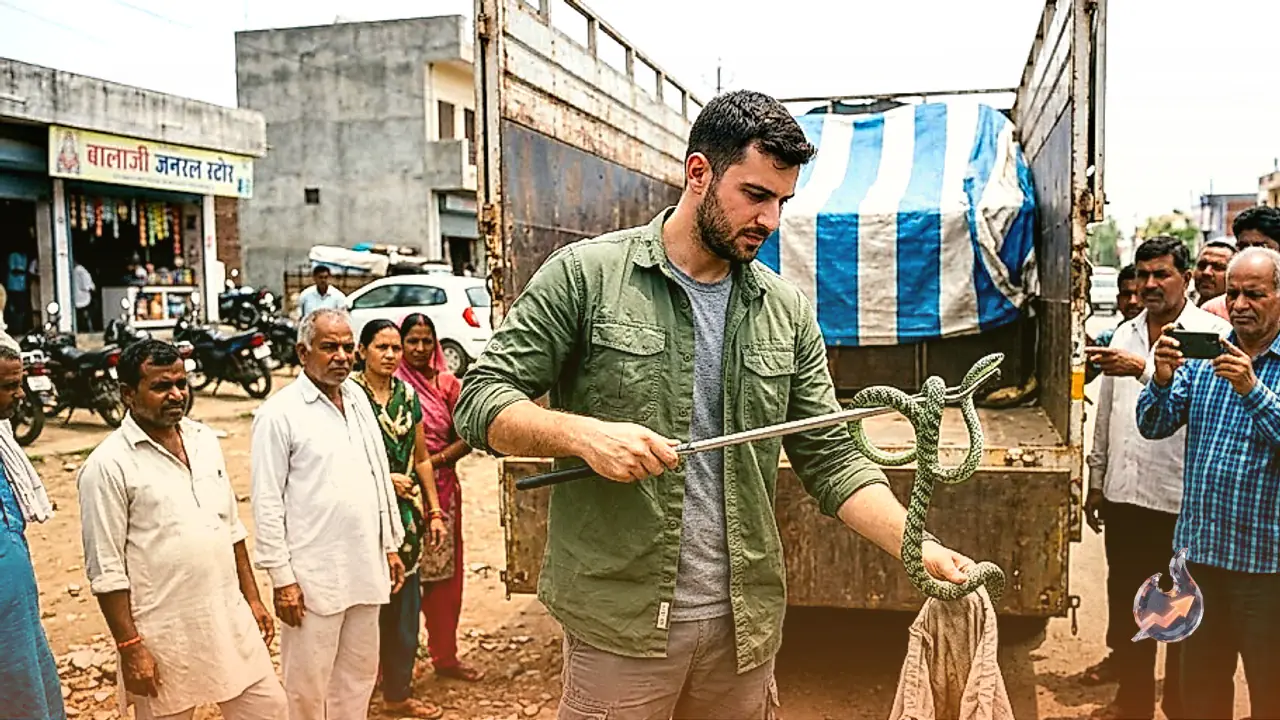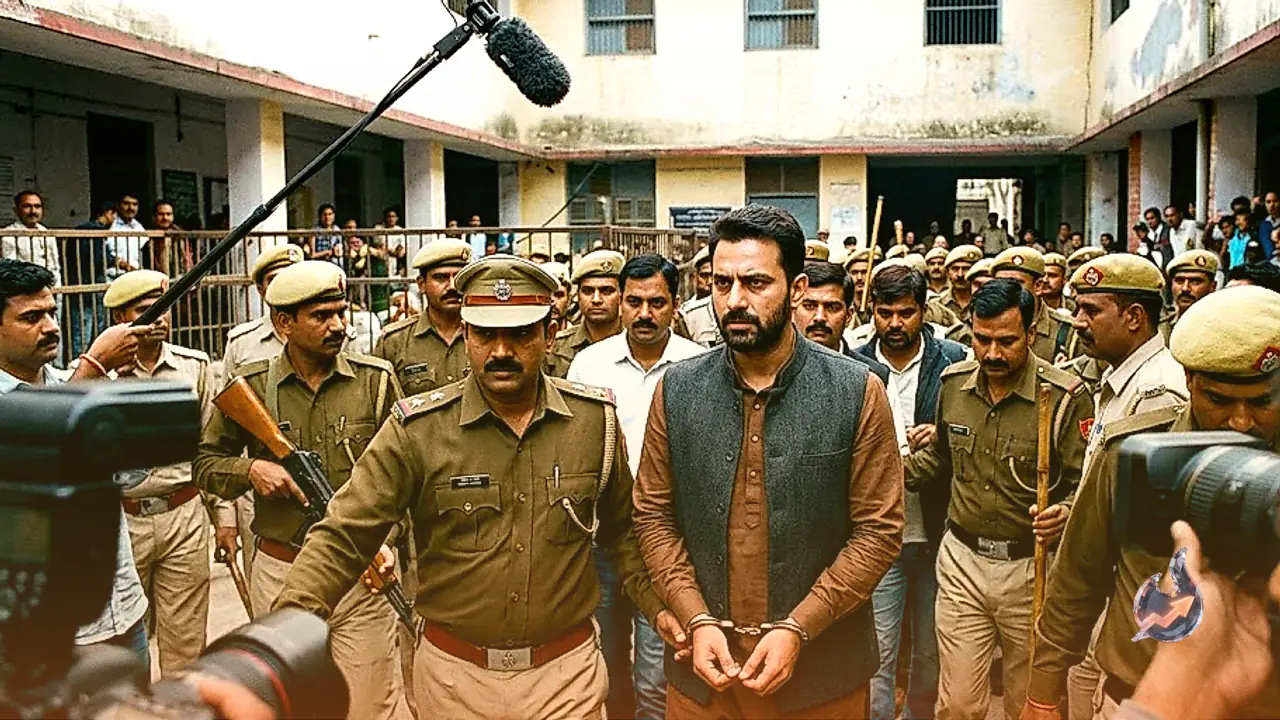
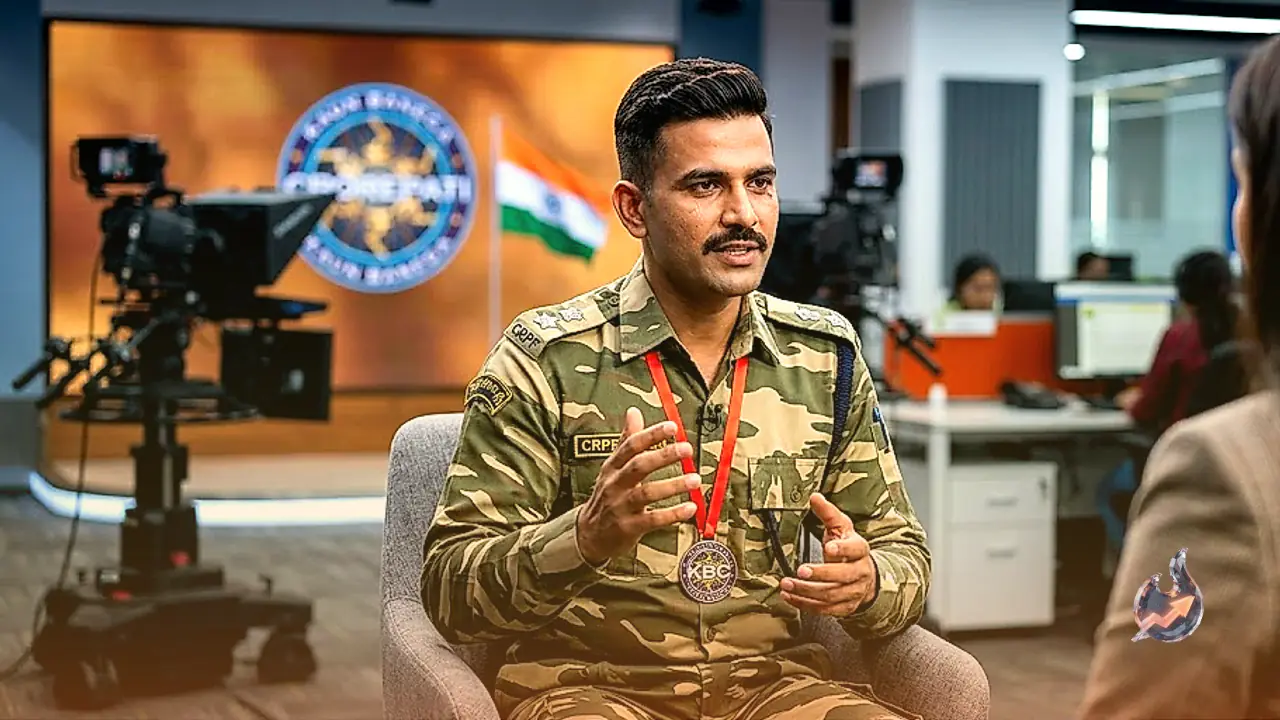
















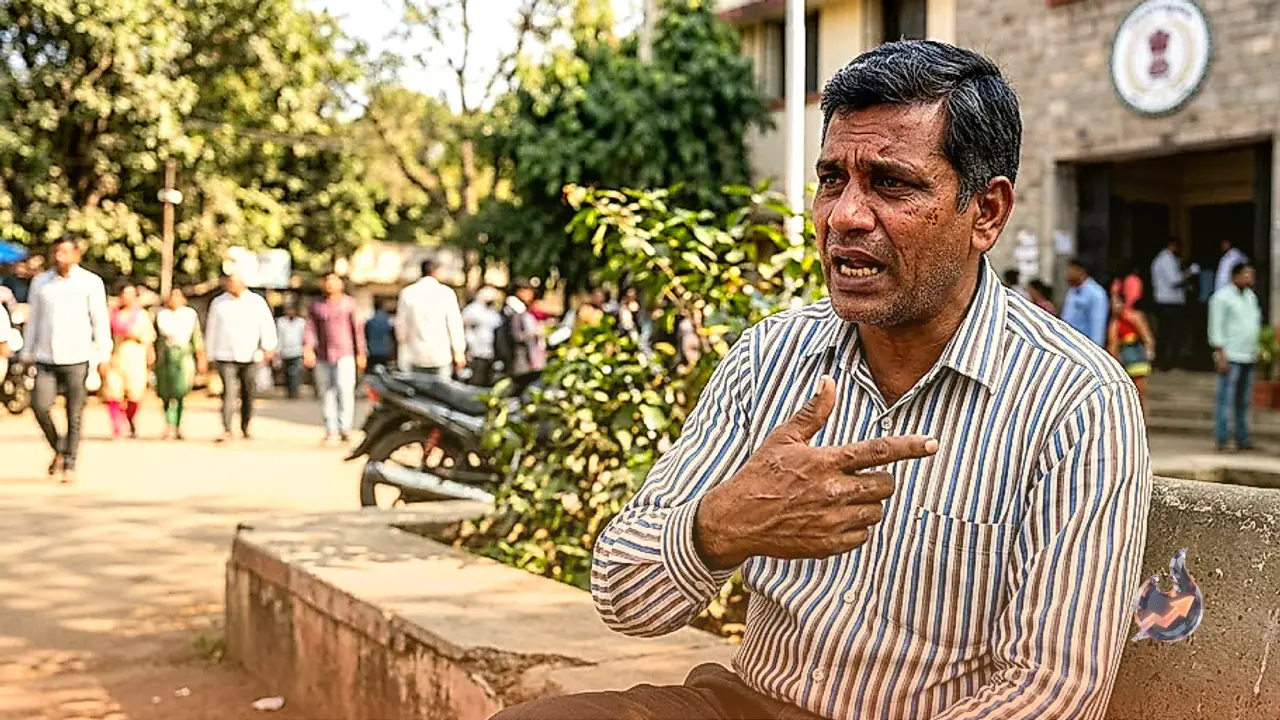

The bullet holes still visible on Vivek Vajpayee's car in Bilaspur are not the marks of an ordinary accident, they are silent evidence of the deadly Jhiram Ghati ambush in Chhattisgarh that killed more than 30 people, including several senior Congress leaders. Nearly 13 years after that day, a final verdict has now been delivered in the case, and it has brought back into focus the harrowing account of Vajpayee, who was travelling in the convoy that was attacked.
Bullets fell like rain as the convoy came under fire
Vajpayee recalls that in Jhiram Ghati that day, bullets kept falling continuously, almost like raindrops in a storm. Gunfire echoed from every direction, hand grenades exploded, and their shrapnel shook the entire area. In his words, whoever survived that day did so only because they were protected by fate, everyone present was standing on the thin line between life and death.
Behind every number, a family torn apart
According to Vajpayee, the scene at Jhiram Ghati was so terrifying that putting it into words remains difficult even today. Everyone present witnessed death from frighteningly close range. More than 30 of his fellow travellers were killed in the attack, and the grief of the families left behind is hard to measure. Some lost a husband, some a brother, some a son, and others a sister, forever. Vajpayee says these were not just numbers recorded in a file, behind every single death was an entire family that was shattered.
A 30-vehicle convoy, then a sudden encirclement
Vajpayee says the Parivartan Yatra convoy that day had more than 30 vehicles. As the attack unfolded, some vehicles managed to pull ahead while several others fell behind. The Naxals used exactly this gap to their advantage, surrounding the convoy and opening fire on it. He also raised serious questions about the security arrangements that day, alleging that police did not reach the spot for a long time after the attack began. Despite the ambush taking place on a main road, he claims help did not arrive for nearly four hours, forcing the injured to make their way out using whatever resources they had at hand.
All four people in his car were hit by bullets
Vajpayee's vehicle was travelling at the front of the convoy. It was being driven by his driver, with sitting Congress MP Phulodevi Netam in the front passenger seat, while his friend Dr Shiv and Vajpayee himself sat in the back. All four people in that car were hit by bullets. The driver was the most seriously injured, a bullet struck his hip and exited through his other leg. He had to remain hospitalised for months as a result. Vajpayee says the driver was treated across different hospitals for close to eight months, with further treatment later carried out at Apollo Hospital, arranged through their own resources.
Their car unintentionally shielded Mahendra Karma's vehicle
Vajpayee explains that during the firing, his car ended up positioned, without anyone intending it, between the direction the bullets were coming from and Mahendra Karma's vehicle. That placement meant his own car came directly into the line of fire. He says around 20 to 22 people managed to survive that day, and Mahendra Karma's role in that was crucial, adding that Karma tried to save others without any regard for his own life.
Mahendra Karma died with the very first bullet
On Mahendra Karma's death, Vajpayee claims he was shot directly in the temple, and died the moment that first bullet struck him. He says the Naxals then mistreated his body. Various accounts of the brutality inflicted on Karma's body have surfaced over the years since the attack, but according to Vajpayee, the reality is that his life had already ended with that first shot.
No help arrived for four hours
Vajpayee also raised pointed questions about the relief and rescue effort that followed the attack. He says that for close to four hours, no one came looking for them. When conditions finally allowed movement, he and the other survivors made their way out entirely on their own. There was no ambulance waiting at the spot to carry the injured, nor any vehicle sent by the administration to evacuate them. The injured and the survivors were forced to walk toward the main road, eventually reaching safety with help from local residents they encountered along the way.
The bullet marks on his car remain to this day
More than thirteen years after the Jhiram Ghati attack, the bullet marks still etched on Vivek Vajpayee's car quietly testify to how terrifying that day truly was. They stand as proof of how directly the convoy came under Naxal gunfire. For Vajpayee, Jhiram is not simply a chapter from history, it is the day in his own life that he still describes as his second birth. With the final verdict in the case now delivered, his account brings back into view the aspects of that attack that only its eyewitnesses saw with their own eyes and lived through in their own lives.