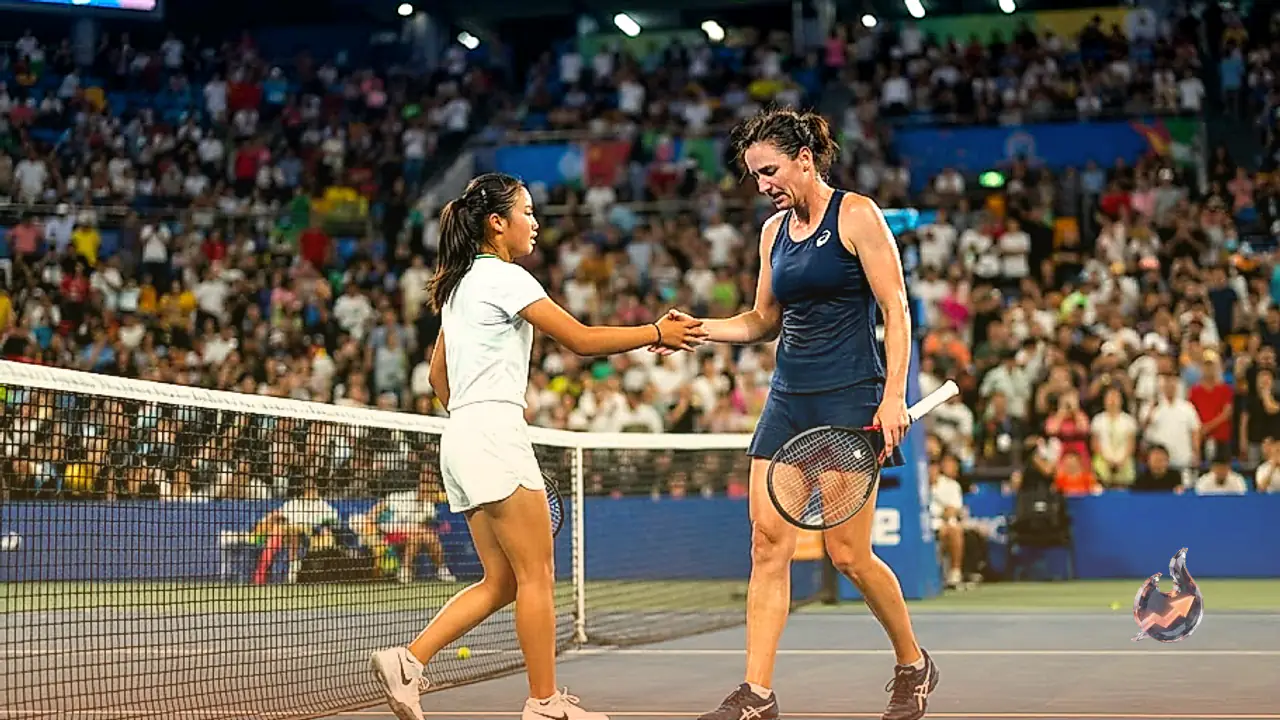
























As the American Grand Slam progressed into its later stages, British interest in the singles draws came to an end when the last remaining contenders were eliminated. For the fourth time across the last five major tournaments, no British player survived to reach the second week of competition. Even though the Flushing Meadows campaign concluded prematurely for every competitor from the nation, officials and players argue that the overall trajectory of the sport shows encouraging signs rather than widespread despair.
Francesca Jones acknowledged that an evaluation of the system is appropriate, noting that British tennis can always find areas for improvement. However, she dismissed the notion that the current outcome is alarming, emphasizing that competitive standards are rising steadily and anyone can prove dangerous on a given day.
Highlighting breakthroughs and rankings
With the Grand Slam singles calendar concluding for the year, sports administrators have reviewed both the encouraging developments and the persistent setbacks within the domestic setup. Arthur Fery's remarkable run to the Wimbledon semi-finals stands out as the major positive milestone. The 24-year-old entered the All England Club ranked 114th in the world after receiving a wildcard, but capitalized fully on the opportunity to deliver an unforeseen breakthrough. Fery remained the sole player to advance into the second week at a major event over the course of the year, earning praise from federation executives as tangible proof that the talent development pathway is functioning effectively.
Furthermore, nine British players securing main-draw entries at the US Open represents the highest tally since 1981. This metric excludes 2021 US Open champion Emma Raducanu and Jack Draper, both of whom were sidelined due to long-term injuries.
LTA perspective and future direction
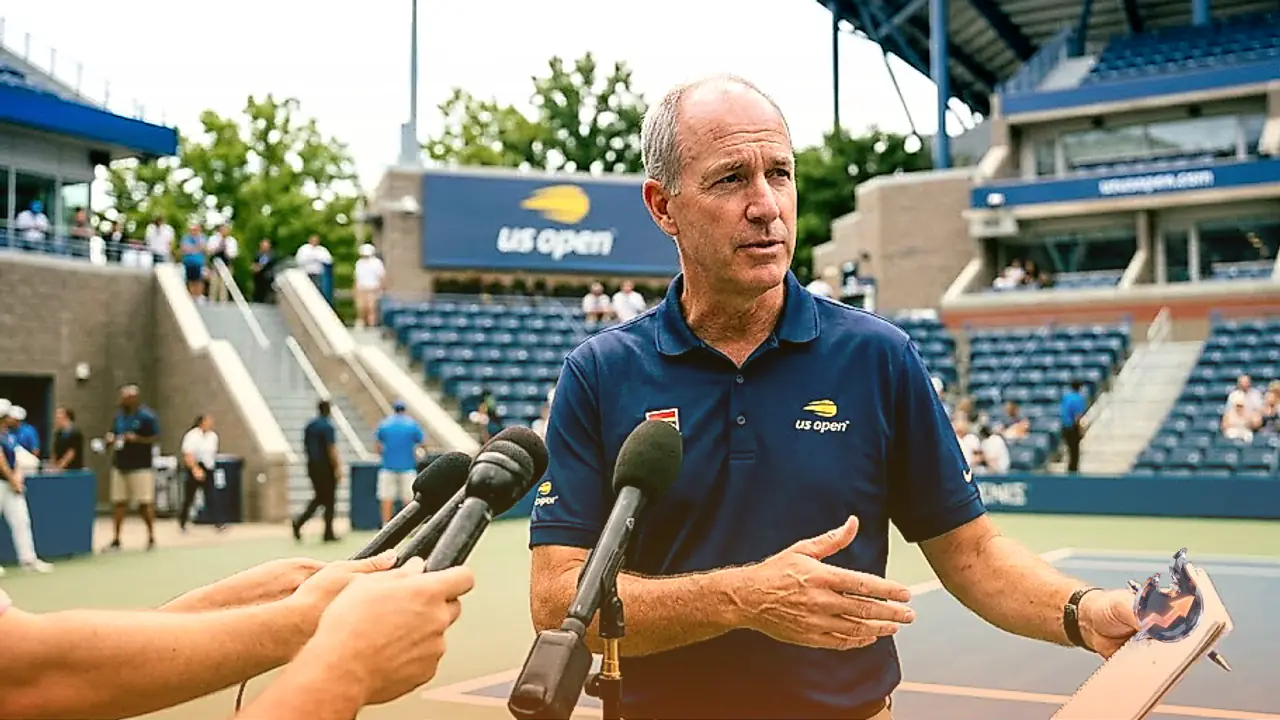
Scott Lloyd noted that officials and the British public naturally desire an increasing number of competitors reaching the latter stages of major tournaments. He highlighted that four different British players have advanced to Grand Slam semi-finals since 2021, a frequency not matched for thirty years prior to Andy Murray, demonstrating clear upward momentum. Following the US Open, five British men are projected to occupy spots inside the world's top 100, alongside two women in Katie Boulter and Raducanu, while others moved closer to the threshold.
Michael Bourne pointed out that twelve players have been guided into the top 100 over the past eight years, with four of them reaching major semi-finals, representing a high level of productivity compared to previous eras.
Addressing injuries and international competition
Despite these favorable statistics, critics contend that Britain continues to underachieve relative to its rich tennis heritage and substantial financial investment. A wave of injuries has severely hampered progress over the past year. Jack Draper has played sparingly due to an arm issue, while Sonay Kartal dropped out of the top 100 following a persistent back injury.
Britain maintains fewer players inside the top 100 than nations like the United States, Australia, and France, which benefit directly from hosting major tournaments. Officials emphasize, however, that every country operates within a distinct tennis ecosystem and that the global game has grown intensely competitive compared to previous decades.
Coaching challenges and financial barriers
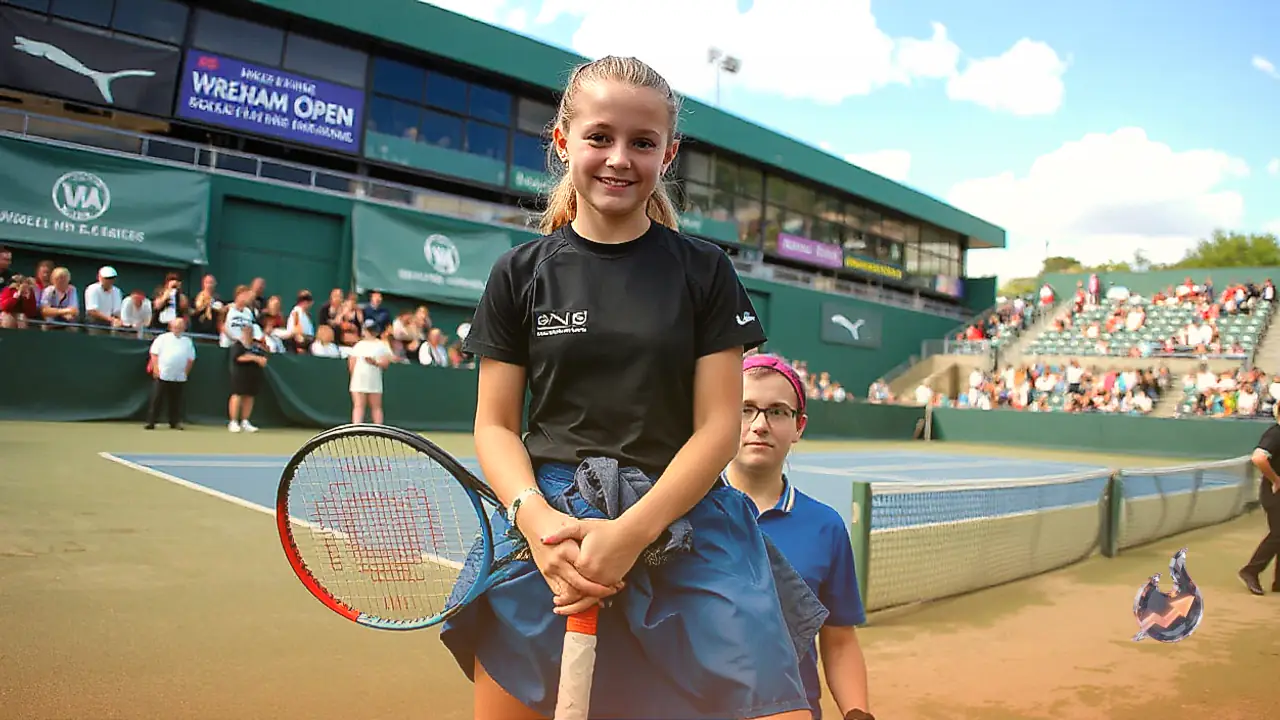
Encouraging children to pick up rackets at an early age remains essential for cultivating future stars, with a record 4.3 million juniors playing annually and 1.9 million playing monthly. Nevertheless, concerns persist regarding a shortage of high-level coaching infrastructure. Chris Marshall explained that funding a 12-year-old player at the county level demands between 500 and 1,000 pounds per month to cover coaching, travel, and tournament expenses. He warned that this steep financial hurdle prices out many families before their children can establish a footing in the sport.