





















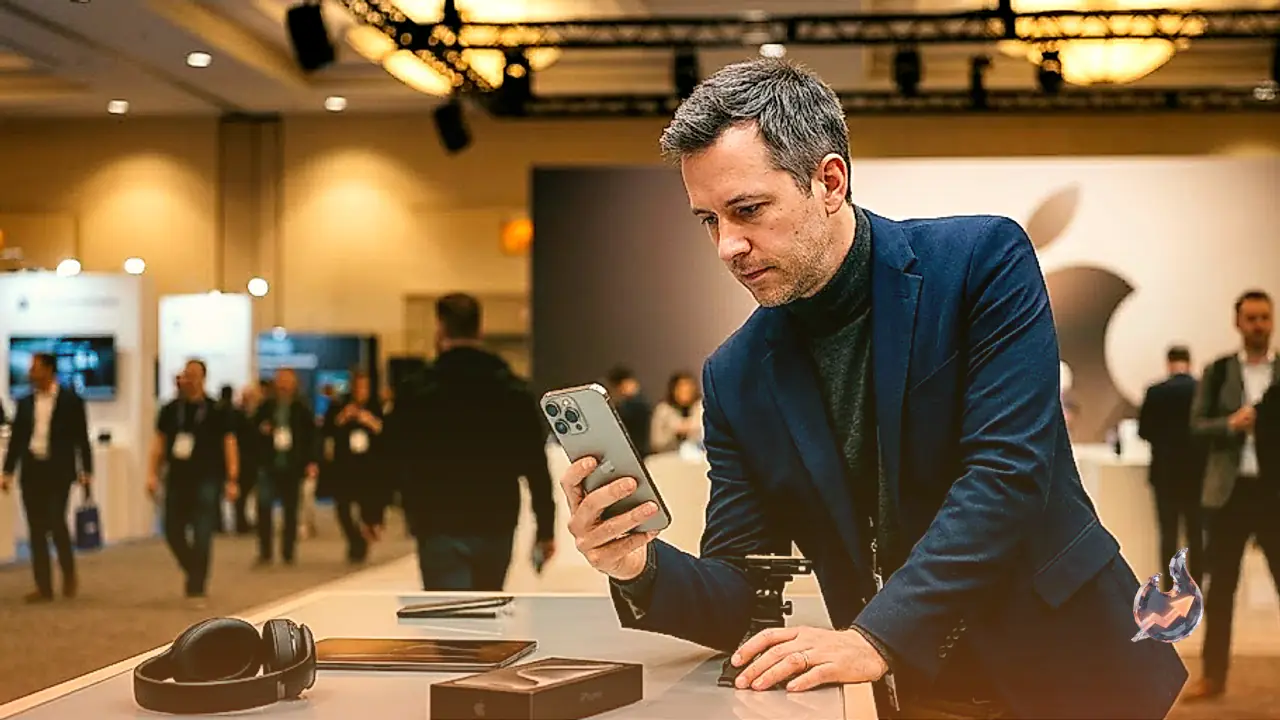

Apple’s upcoming hardware event, announced under the cheerful banner of “Surprise and Shine!”, is scheduled for September 9 at 10 am Pacific time, corresponding to 1 pm Eastern. Viewers tuning into the live stream can anticipate the official debut of the iPhone 18 Pro and 18 Pro Max. If prevailing industry rumors and analyst expectations hold true, the presentation may also offer the very first glimpse of an anticipated Apple foldable device.
Shifting Strategy Toward Premium Hardware
Drawing from recent leaks and the tech rumor mill's generally reliable track record, Apple is expected to prioritize its higher-end, premium offerings this year while temporarily holding off on the base model iPhone 18. That more affordable iteration is now rumored for a spring 2027 debut, potentially arriving alongside an iPhone 18e and possibly a second-generation iPhone Air. This drastic strategic pivot is largely driven by an ongoing memory shortage that has increased manufacturing expenses across the entire technology sector, sparing no major manufacturer.
Addressing these economic pressures back in June, former Apple CEO Tim Cook acknowledged that the company would need to raise product retail prices to offset mounting production costs. Nabila Popal, senior director of data and analytics at IDC, notes that the company is likely preparing a fall rollout focused squarely on the premium tier of the 18 series. Mid-range and budget-friendly devices are expected to follow later during the spring window, creating a balanced product cadence.
Balancing Revenue Across Fiscal Quarters
Popal points out that staggering these releases is a smart strategic move designed to distribute corporate revenue more evenly. Typically, Apple relies heavily on a robust fourth quarter followed by a much quieter spring quarter. By separating premium and budget launches, the company can smooth out its financial calendar. Furthermore, Apple’s expanded hardware ecosystem means the iPhone Pro and Pro Max lineups naturally appeal more directly to consumers who have already allocated a larger budget for their next smartphone upgrade.
When component expenses climb, hardware manufacturers generally face three distinct choices: absorb the financial hit, pass the increases directly to consumers, or lean entirely into the higher pricing tier. By delaying its cheaper alternatives, Apple can successfully channel consumer excitement toward its larger, more sophisticated, and more expensive devices. Charging more for those elite models tends to feel less jarring than artificially inflating the price of an entry-level budget phone. Popal describes this broader trend as the premiumization of consumer devices, a framework Apple aims to leverage to build strong market hype.
Long-Term Market Trends and Consumer Costs
Shawn DuBravac, chief economist at the Global Electronics Association, expresses optimism regarding what these escalating device prices ultimately signify for everyday shoppers. Explaining this dynamic, DuBravac notes that technological deflationary pressures have historically always benefited consumers over time, and he remains confident that market normalization will eventually follow once supply chains stabilize and healthy market competition takes over.
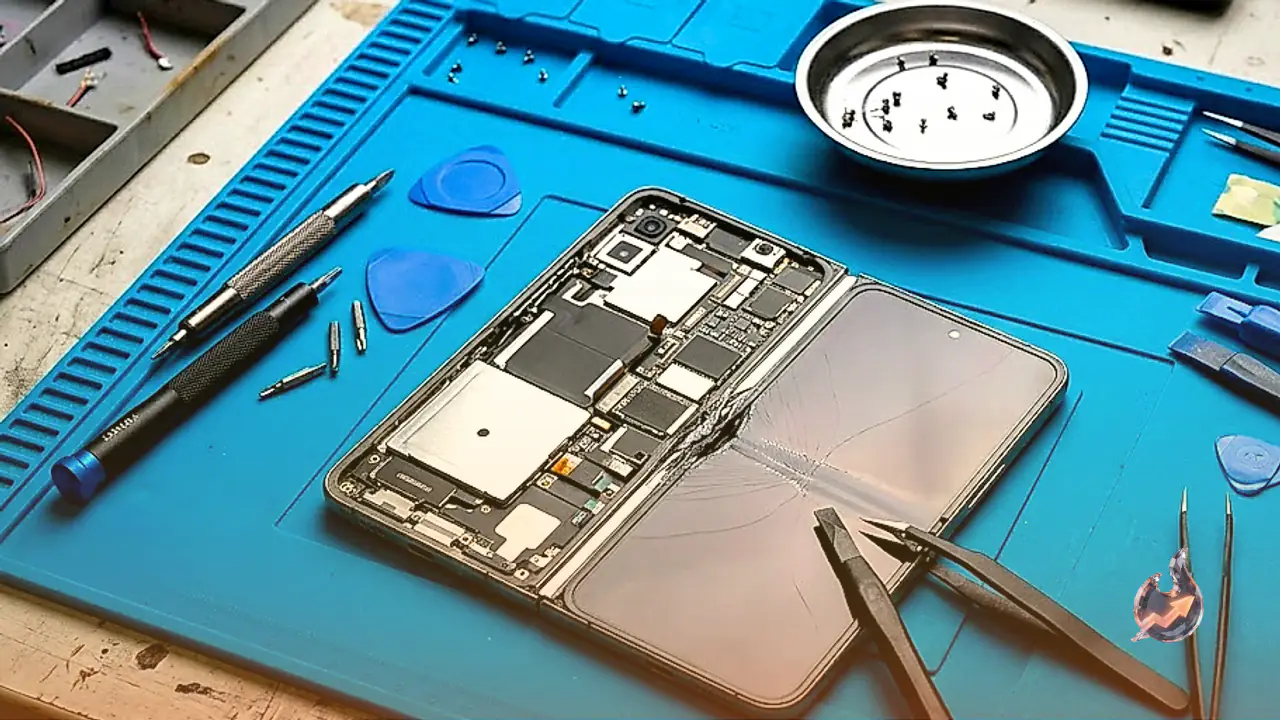
While manufacturing efficiencies eventually drive down costs for mature tech products, the folding phone segment is currently heading in the opposite direction. Samsung’s entire 2026 Galaxy Z folding smartphone lineup experienced price bumps, a trend mirrored by Google’s new Pixel 11 Pro Fold and Motorola’s latest Razr 2026 devices. Meanwhile, rumors suggest Apple’s upcoming folding iPhone could debut with a price tag hovering around $2,000.
To cushion the blow of these steep retail prices, Apple is increasingly leaning toward structured financing models and expanded trade-in initiatives. In July, the company introduced an innovative iPhone leasing program enabling users to rent the latest handsets for a recurring monthly fee before swapping them out for newer hardware upon release. While this structure broadens accessibility for cash-strapped buyers, ownership advocates have raised concerns that it prevents customers from achieving true device ownership, aligning with Apple's push toward a subscription-driven ecosystem.
Popal emphasizes that financing and trade-in programs remain the primary vehicles for how most consumers acquire high-end smartphones, predicting even more aggressive promotional trade-in structures ahead. Ultimately, sustained memory crises and component inflation have made budget smartphones far less economical for major brands to produce. At the same time, the secondary market for refurbished hardware continues to surge as buyers seek out cost-effective and eco-friendly alternatives, leading Popal to declare that the era of the cheap smartphone has officially come to an end.