







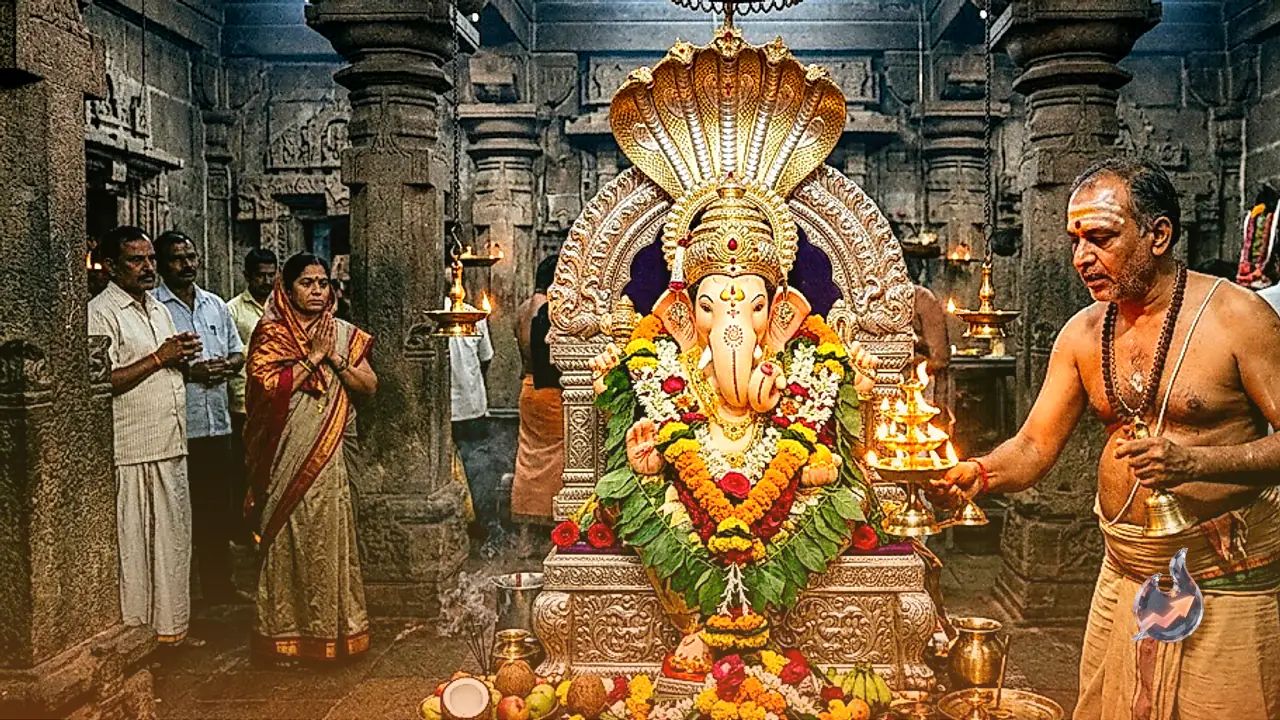














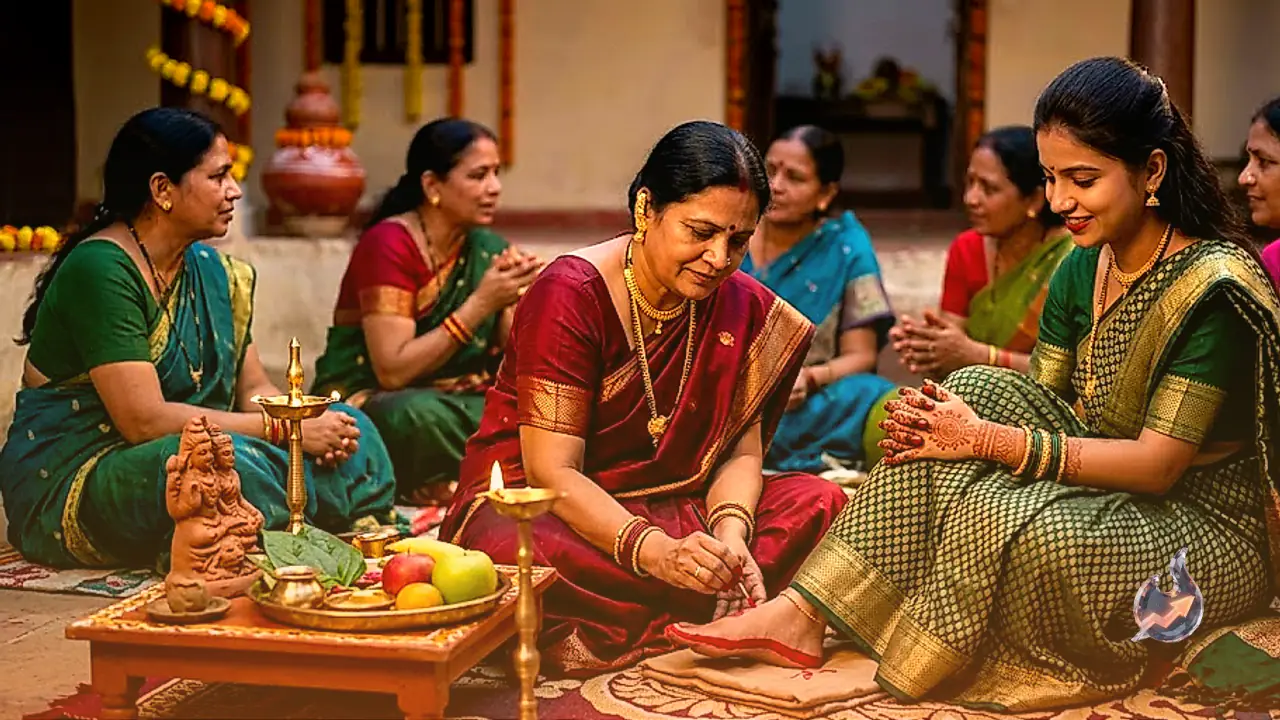

In Chhattisgarh, the festival of Hartalika Teej transcends a routine religious observance, serving instead as a cherished occasion for married daughters to return to their maternal homes, reconnect with relatives, and uphold age-old folk traditions. Dedicated to the worship of Lord Shiva and Goddess Parvati, this festival is widely regarded as one of the most demanding fasts for women, who willingly go without food and water for well over 24 hours to pray for the longevity and prosperity of their husbands. Ranging from remote rural villages to bustling urban centers, the festival displays distinct regional customs that begin with consuming bitter rice and conclude only after performing rituals and immersing clay idols of Gauri and Gauri. Senior folk literature expert Dr. Somnath Yadav from Bilaspur has elaborated extensively on these enduring traditions and their profound cultural significance.
The Ritualistic Beginning With Kadu Bhat
According to Dr. Somnath Yadav, the Teej festival spans a series of customs unfolding across roughly three days. The observance commences on the first night when women partake in a special meal known as Kadu Bhat, which prominently features bitter gourd or Karela as a key component. Following this initial meal, the participating women formally initiate their rigorous dry fast, which continues unabated through the following day and culminates only on the third morning after the completion of final prayers.
Over Twenty-Four Hours of Continuous Dry Fasting
The most demanding aspect of Hartalika Teej remains the strict waterless fasting observed by women throughout the daylight and nighttime hours without a single drop of liquid. During the evening and night, women gather to offer heartfelt prayers to Lord Shiva and Goddess Parvati, a devotional practice that in many communities extends well past midnight. As dawn approaches between 4:00 AM and 5:00 AM, concluding prayers are offered before the women head toward nearby rivers or ponds to immerse the symbolic clay idols of Gaur-Gauri along with the accumulated ritual items.
Breaking the Fast With Fruits and Sour Delicacies
Upon completing the immersion rites at the water bodies, women return home to break their prolonged fast initially with fruits and lightweight refreshments. Many households prepare traditional delicacies such as Singhada katra or Tikur katra for this first post-fast nourishment. Later in the afternoon, a full traditional meal is prepared, with Chhattisgarhi households specifically cooking rice paired with a sour curry or vegetable dish. Partaking in this specific meal marks the formal conclusion of the rigorous religious observance.
The Tradition of Welcoming Daughters to Maternal Homes
An essential social dimension of Teej in Chhattisgarh centers heavily around the enduring bond shared between married daughters and their parental households. Longstanding custom dictates inviting daughters back from their marital homes specifically to celebrate Teej in the familiar surroundings of where they grew up. Extended family members on the maternal side similarly invite the daughter to their respective homes, extending warm hospitality and honoring her with gifts of new clothing, traditional presents, or monetary tokens according to their financial capacity.
Daughters Staying From Rakhi Through Teej
Dr. Somnath Yadav notes that in earlier times, brothers or fathers would traditionally travel to bring their sisters or daughters home from their marital households right around the festival of Raksha Bandhan. Having celebrated both Rakhi and Teej together in their parental homes, the daughters would typically head back to their husbands' residences roughly a week after Teej concluded. However, with the rapid pace of modernization and increasingly busy contemporary lifestyles, this extended stay has gradually shrunk in many places to just one, two, or three days.
Traditional Delicacies Like Khurmi and Thethri
Traditional sweets and savory snacks form a major center of attraction during the Teej festivities across Chhattisgarh, with Khurmi and Thethri holding a particularly revered status. Khurmi is crafted by mixing wheat flour with a sweet jaggery syrup, shaping the dough, and deep-frying it to a crisp finish, while Thethri is a savory snack prepared using a blend of refined flour and chickpea flour. These festive delicacies are initially placed on the worship thali as offerings to the deities and are subsequently distributed among visiting relatives, daughters, and neighbors.
Preserving Traditional Snacks for Months
In bygone eras, families practiced preserving delicacies like Khurmi and Thethri for extended periods using large storage containers or tin cans. Elderly women of the household kept these items securely stored so they could be consumed as regular breakfast snacks over several subsequent months. Although this traditional preservation method has slowly declined due to urbanization and shifting dietary habits, it largely survives within rural and semi-urban communities across the region.
Diverse Teej Preparations Across Different States
While Hartalika Teej holds a central place in Chhattisgarh, the festival is observed with equal fervor in several other Indian states including Punjab, Haryana, Uttar Pradesh, Bihar, and Rajasthan. Across these diverse regions, local culinary customs introduce interesting variations in the festive foods prepared for the occasion. In Rajasthan, preparations often include sweets like Ghewar, while households in Haryana and Punjab typically serve sweet kheer, and certain communities in Bihar rely on snacks crafted from roasted gram flour or sattu.
Praying for Husbands' Longevity and Family Well-Being
At its core, Hartalika Teej is a sacred festival dedicated to honoring Lord Shiva and Goddess Parvati, wherein women undertake challenging dry fasts to invoke blessings for their husbands' longevity, robust health, general prosperity, and enduring marital harmony. Within Chhattisgarh, the festival successfully bridges religious devotion with social reinforcement, strengthening affection, mutual respect, and ties between brothers, daughters, parents, and extended relatives. This powerful blend of faith and familial bonding ensures that Teej remains an irreplaceable pillar of Chhattisgarhi folk culture and heritage.