

















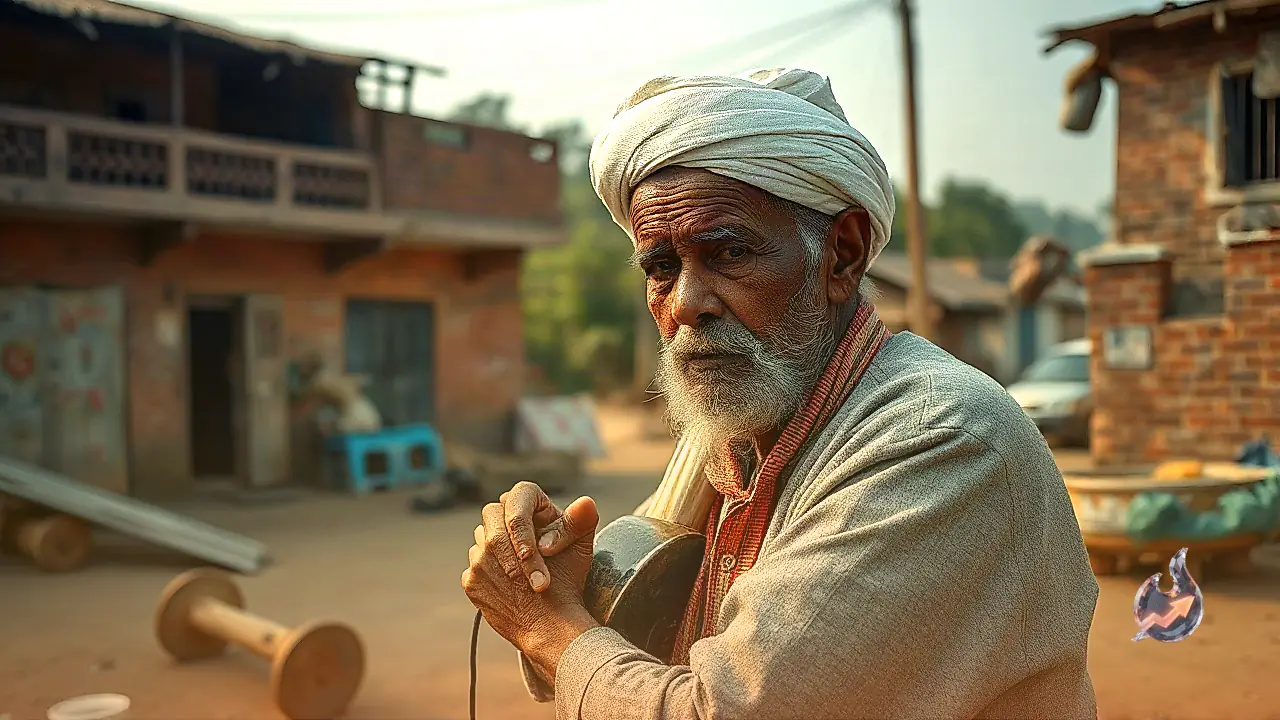

In the Surguja region of Chhattisgarh, the Yadav community continues to sustain a rich tradition of folk music that has been passed down across generations. At the heart of this cultural preservation is 60-year-old Ramchandra Yadav, who has dedicated decades to safeguarding ancient songs without relying on printed books or written scripts. Having learned these melodies purely through oral transmission in his youth, he continues to perform them during daily routines and community celebrations, keeping a vibrant regional heritage alive.
Learning Oral Traditions Without Written Texts
The transmission of these folk songs relies entirely on listening and memorization rather than formal instruction. Ramchandra Yadav began learning Biraha and other traditional compositions at around 15 years of age by listening closely to his grandfather and elder villagers. During that period, there were no instructional books or printed record collections available in the village. By absorbing the rhythmic structures and lyrics directly from senior singers, he committed the entire repertoire to memory and gradually mastered the intricate vocal style through continuous practice.
Seasonal Themes and Occasions for Folk Compositions
The musical tradition of Surguja features specific genres tailored to different seasons and social occasions. Among the repertoire mastered by Ramchandra Yadav are Biraha, Kajari, Chahka, and Lachka. Among these, Biraha stands out as a versatile genre that singers can perform in any season or month of the year, deeply connected to everyday rural life.
In contrast, Kajari follows a distinct seasonal timeline. It is sung primarily around the month of September and coincides with sacred folk traditions associated with Krishna Janmashtami celebrations. Meanwhile, styles such as Chahka and Lachka are reserved for specific social gatherings to enrich the cultural environment with melodic performances.
Role in Wedding Ceremonies and Social Reunions
Folk music historically played a central role in fostering social connections during marital celebrations. Ramchandra Yadav recalls that during traditional wedding ceremonies, when the parents of the bride and groom met for the customary Samdhi Milan ritual, singing Biraha served as the primary form of entertainment. Guests from both families would cordially request songs from one another, creating an atmosphere of joy and friendly camaraderie through lively musical exchanges.
Accompanying Daily Cattle Grazing Activities
Beyond festive occasions, folk music was an essential companion during daily agricultural and pastoral labor. While grazing cows and buffaloes in open fields around the village, Ramchandra Yadav and fellow herders frequently sang Biraha to pass the time. He notes that the rhythmic singing had a calming effect on the livestock, keeping the animals grazing peacefully nearby without straying off. In an era preceding modern entertainment devices, these folk songs formed the primary medium for relaxation and social engagement among herders.
Preserving Ancestral Heritage Across Generations
Even at 60 years of age, Ramchandra Yadav remains deeply committed to safeguarding the musical identity of his community. He views Biraha and companion folk songs not merely as entertainment, but as an indispensable cultural legacy inherited from his ancestors. By continuing to sing these traditional songs today, he ensures that the ancestral heritage of Surguja remains active and accessible to younger generations.