






















In a landmark decision coming thirteen years after one of the most devastating insurgent ambushes in India's history, the NIA special court in Chhattisgarh has sentenced all 10 accused to death for their involvement in the Jhiram Ghati Naxal attack. Special NIA Court Judge Ajay Singh Rajput pronounced the capital punishment after hearing extensive arguments from both the defense and the prosecution. This verdict follows the court's earlier ruling on September 5, which had convicted the ten individuals. The sentencing marks a significant milestone in the long quest for justice for the families of the victims of the 2013 massacre.
Convicted Under Multiple Charges with Seven Carrying Death Penalties
The legal proceedings against the accused involved a comprehensive chargesheet detailing their roles in the conspiracy and execution of the attack. The court observed that the accused were prosecuted under a total of 24 distinct legal sections. Highlighting the extreme gravity and sheer brutality of the crime, Judge Ajay Singh Rajput handed down the death penalty under seven of these major charges. The remaining charges also saw strict punitive measures, making it a comprehensive judicial action against the perpetrators of left-wing extremism. The list of those sentenced to death includes Sumitra alias Sumitra Poonem Modiyam.
The 2013 Bloodbath: How the Ambush Unfolded
The horrific incident dates back to May 2013, just months before the assembly elections in Chhattisgarh. The state Congress unit was conducting its 'Parivartan Yatra' outreach campaign across the region. As the convoy carrying senior party leaders and security personnel entered the narrow terrain of Jhiram Ghati in Bastar, hundreds of Naxals lying in ambush opened indiscriminate fire from the surrounding hills. Trapped in the valley, the convoy had little cover. The relentless gunfire claimed 27 lives and left 15 others critically injured, virtually wiping out the frontline leadership of the state Congress.
Among those who lost their lives in this brutal attack were the then Chhattisgarh Congress President Nand Kumar Patel and his son Dinesh Patel. Veteran Congress leader and former Union Minister Vidya Charan Shukla, along with senior leader Uday Mudaliar, also succumbed to the attack. Mahendra Karma, the prominent face and organizer of the anti-Naxal civil movement 'Salwa Judum', was also targeted and killed during the ambush. The loss of these key figures created a massive political void in the state.
Investigation Questioned: Congress Leaders Target the NIA
While the court's decision has closed a legal chapter, it has reignited a fierce political debate over the depth of the investigation. Chhattisgarh PCC President Deepak Baij launched a scathing attack on the federal agency, accusing the NIA of doing a mere superficial job. He argued that the agency failed to interrogate the high-ranking Naxal commanders who orchestrated the conspiracy. Deepak Baij stated that the 10 convicted individuals are not the real masterminds, claiming that top Naxal leaders enjoy government patronage. He asserted that a thorough interrogation of the top leadership would have exposed the involvement of BJP politicians and revealed the true political conspiracy.
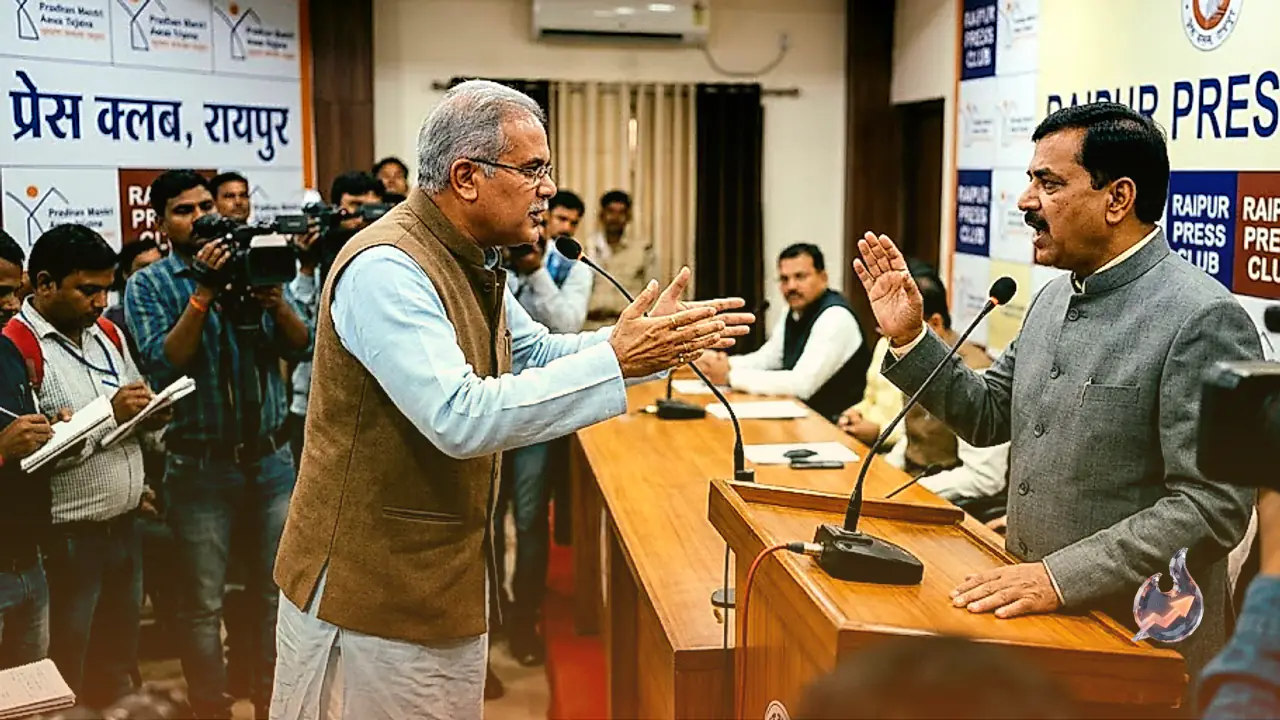
Adding to the criticism, former Chhattisgarh Chief Minister Bhupesh Baghel expressed deep dissatisfaction with the NIA's probe. Bhupesh Baghel alleged that the agency skipped crucial investigative steps and failed to apprehend the actual masterminds behind the massacre. He pointed out that eyewitnesses to the massacre were never properly interviewed, nor were their official statements recorded. The former Chief Minister also alleged that the names of the primary suspects were deliberately removed from the FIR. He raised the poignant question of how punishing just 10 individuals could constitute complete justice when more than 200 Naxals were actively involved in executing the deadly ambush.