




















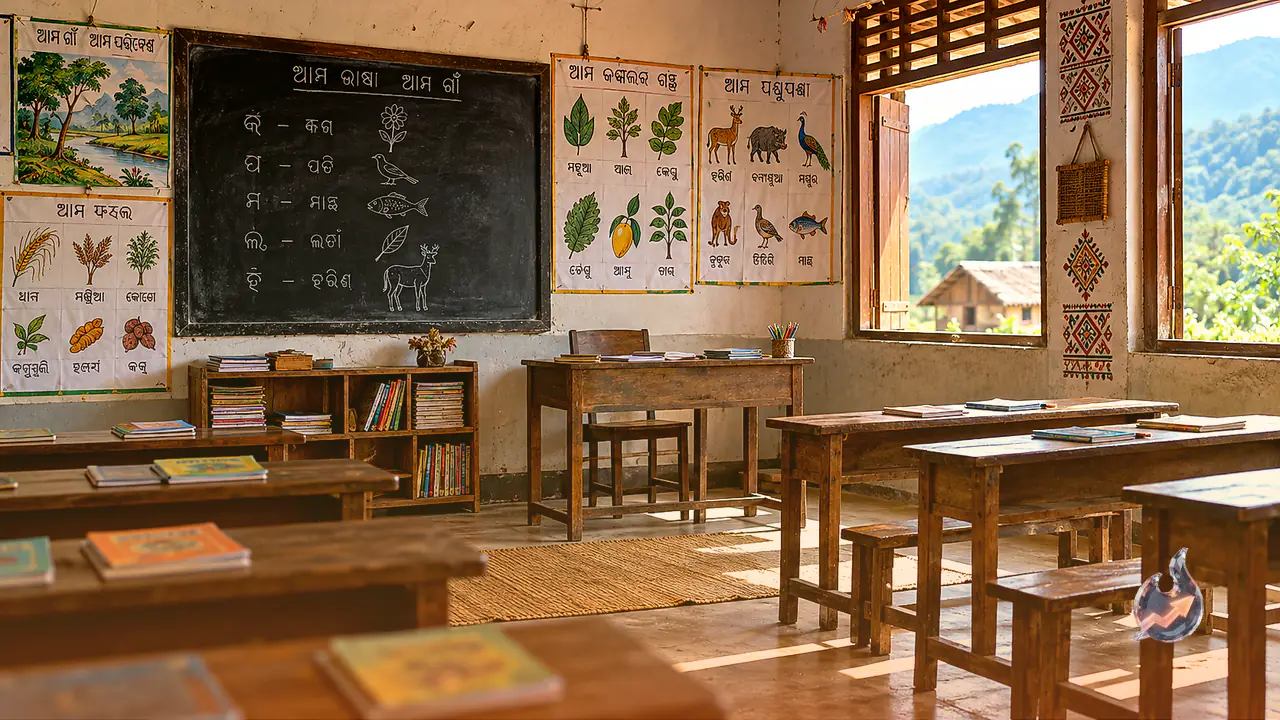

When young children step across the school threshold for the first time, their primary hurdle is rarely the academic syllabus; it is the unfamiliar language spoken inside the classroom. A five or six year old child who has grown up speaking only a mother tongue or local dialect at home often retreats into silence when greeted by completely unfamiliar words at school. Addressing this linguistic disconnect is why the National Education Policy and primary educational bodies strongly advocate starting formal schooling in a child's home language.
Ground Realities Across Primary Classrooms in Nine States
Efforts to introduce local dialects into foundational education are actively underway across several regions of the country. A detailed evaluation based on monitoring 1,050 classrooms across 21 districts in nine states, alongside direct educator interviews, has highlighted the critical role of mother tongues. The findings confirm that when schools validate and incorporate a child's native speech into regular lessons, their foundational learning strengthens dramatically. Consequently, learning materials are being crafted in local dialects and tribal tongues across the tea gardens of Assam, the dense forests of Odisha, and the tribal heartland of Bastar in Chhattisgarh.
The Bastar Model: Strong Leaps in Literacy and Numeracy
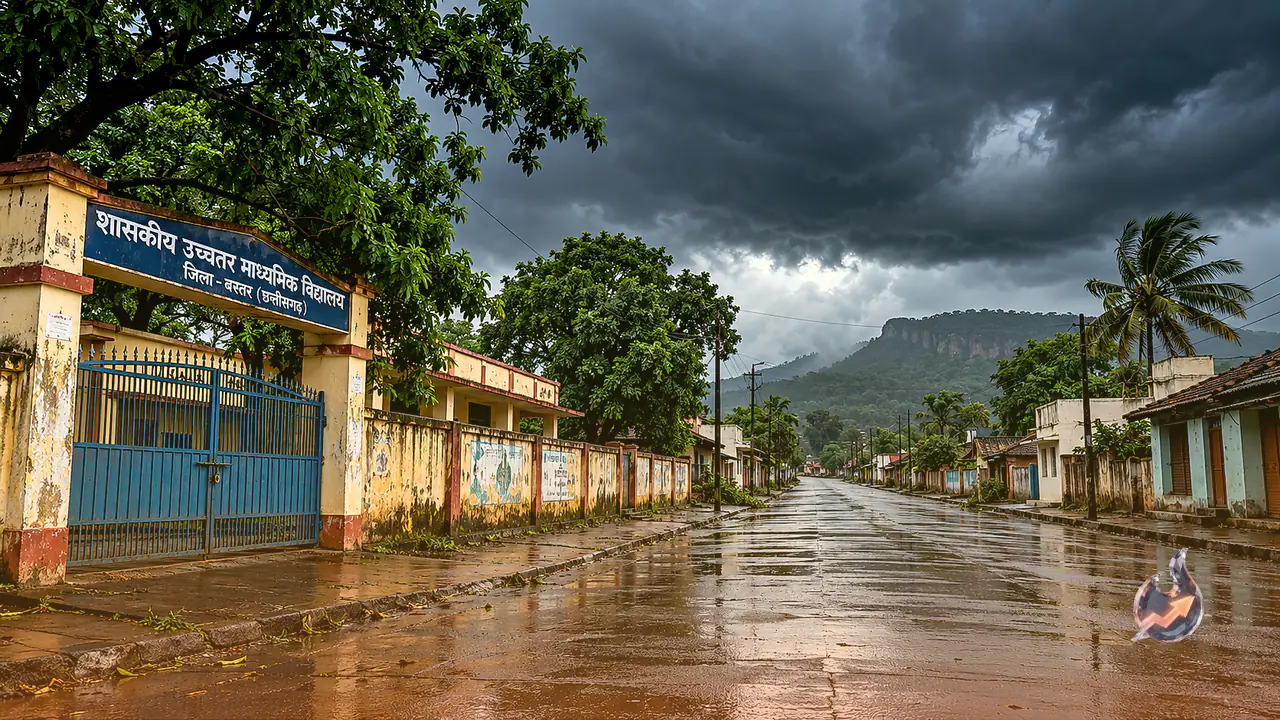
In the tribal-majority district of Bastar in Chhattisgarh, localizing early childhood learning has delivered remarkable academic outcomes. Educational material was systematically developed in 13 local tribal languages. Complementing these books, educators introduced over 900 engaging storytelling sessions and established 57 school museums to stimulate curiosity.
The quantitative results from Bastar highlight the power of familiar speech. Foundational literacy among participating children climbed by 31 percent, while numeracy skills rose by 25 percent. Furthermore, single-word reading registered a 28 percent gain, listening comprehension increased by 35 percent, and basic writing capabilities improved by 33 percent.
The Classroom Implementation Gap: 73 Percent Know, 9 Percent Teach
Alongside its successes, the study uncovered a substantial barrier in daily classroom implementation. Approximately 73 percent of surveyed teachers were fully aware of their students' mother tongues and could understand them without difficulty. However, when delivering lessons, only 9 percent of those teachers regularly utilized the local language in their instruction.
This implementation divide leaves roughly one out of every four students sitting silently in class, unable to fully grasp the language of instruction. Without active classroom adoption by teachers, children struggle to participate, ask questions, or build initial reading confidence.
Odisha and Assam Expand Tribal Language Curriculum
Efforts to bridge linguistic divides are advancing in other regions as well. The government of Odisha has adapted foundational learning materials under Balvatika into 21 distinct tribal languages. Administrative approval has already been granted to deploy this localized curriculum across 200 primary schools in the state.
Simultaneously, initiatives in Assam focus on the distinct educational needs of children from tea garden communities. Tailored bilingual workbooks and structured classroom language surveys have been deployed to ensure these young learners do not feel alienated or disconnected from formal schooling.
Targeted Interventions in Rajasthan and Tripura
In Rajasthan, extensive language mapping was carried out across 33 districts to identify and bridge the divide between local dialects spoken at home and the formal medium of school instruction. This systematic mapping allows educators to determine the exact linguistic support required by learners in specific localities.
Tripura addressed the challenge through structured educator capacity building. The state designed a certified training program focusing on multilingual and multigrade teaching methods. Around 3,000 teachers completed this training, equipping them to teach early grade students naturally using their regional idioms and dialects.
Jharkhand's Palash Project Brings Hope to Thousands of Learners
In Jharkhand, the PALASH MLE initiative has established an effective approach to managing linguistic diversity in early schooling. The intervention directly reached more than 22,600 children across nearly 1,000 primary schools in the state.
Alongside curriculum delivery, over 1,000 teachers received specialized training under the program. When young pupils were introduced to letters and numbers through the familiar cadences of their native dialects, their anxiety and reluctance toward attending school dissolved, fostering active participation.