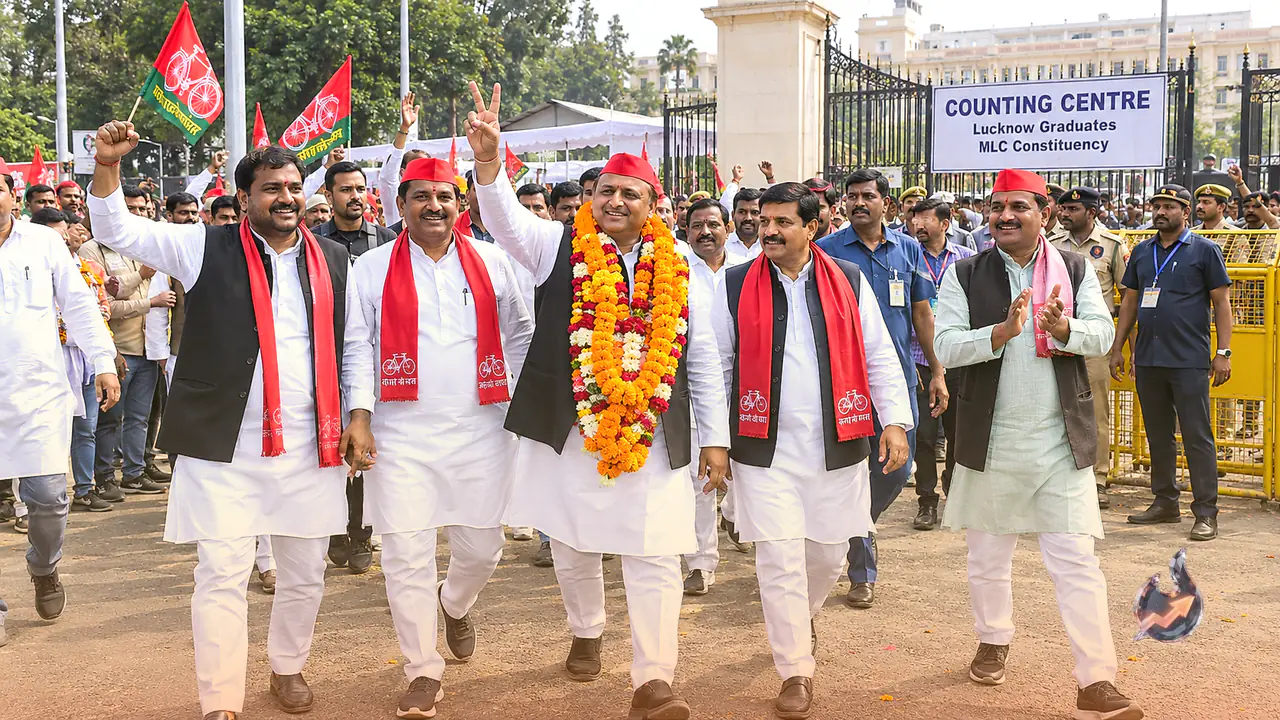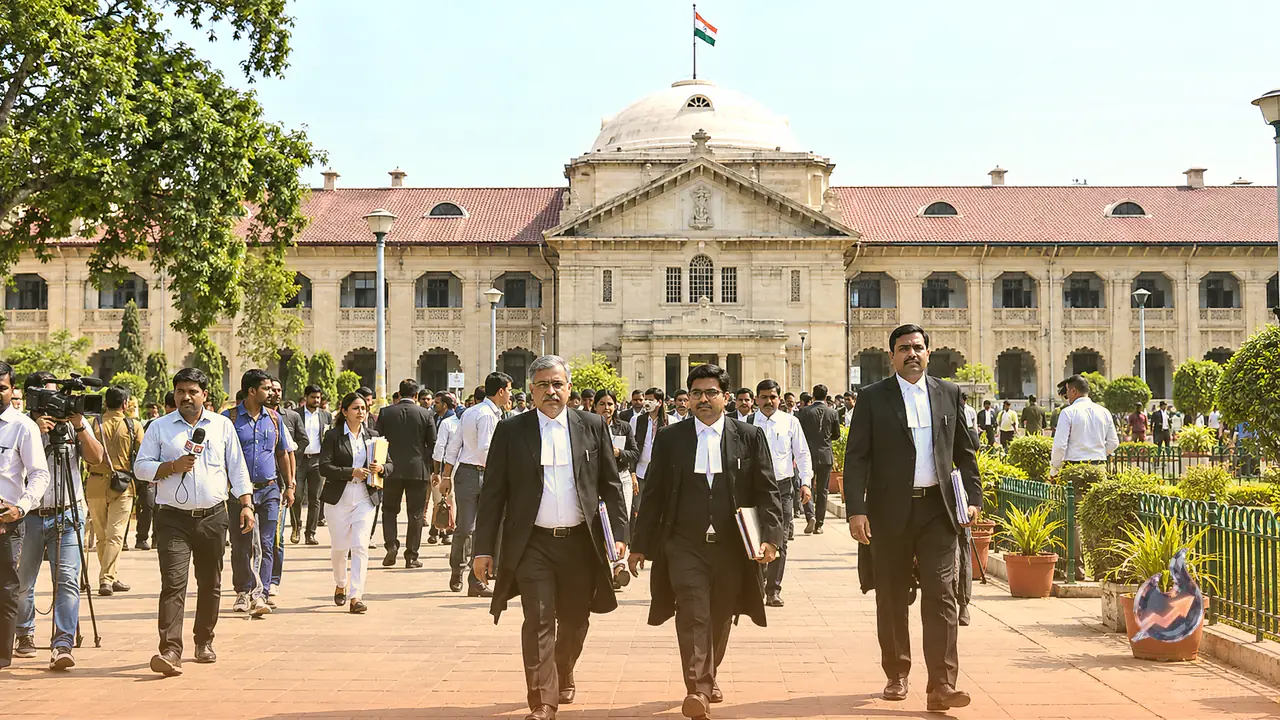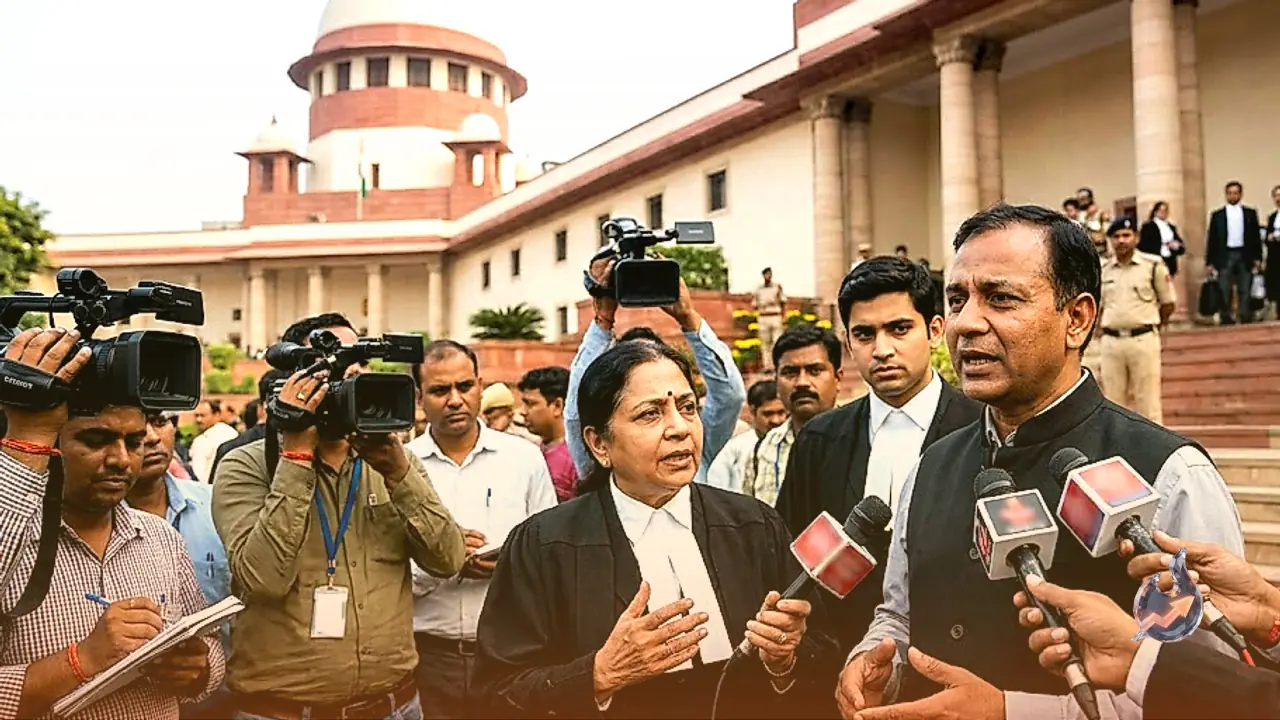
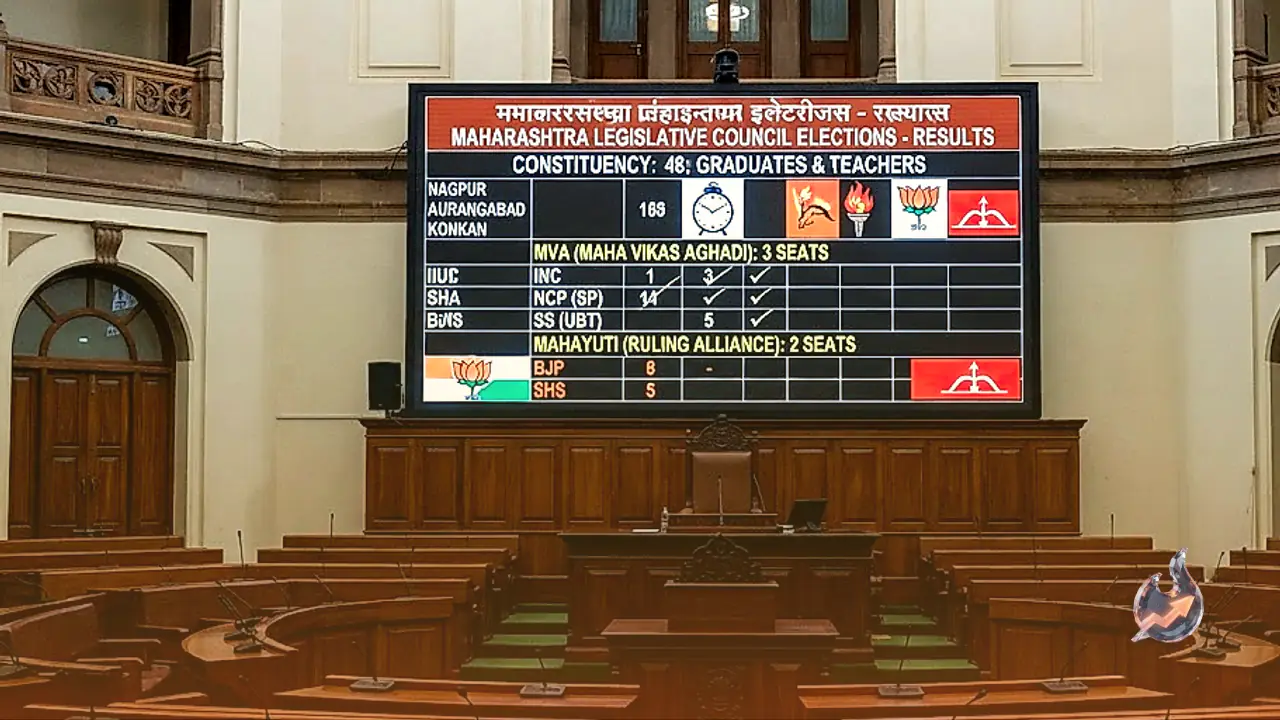



















The electoral picture for the 11 Uttar Pradesh Legislative Council seats has become clear, with the Bharatiya Janata Party capturing 6 seats and the Samajwadi Party winning 5. While the Bharatiya Janata Party retained its previous tally of 6 seats without registering any numerical change, the Samajwadi Party gained 2 seats compared to the previous election. This crucial gain materialized in the high-profile regions of Lucknow and Varanasi, where Samajwadi Party candidates clinched decisive victories. Following the confirmation of these results across teacher and graduate constituencies, Samajwadi Party president Akhilesh Yadav hailed the performance and launched a sharp political critique against the state leadership.
Breakdown of the Results Across Key Constituencies
The biennial elections across 11 Legislative Council constituencies covered both graduate and teacher electorates. While independent candidates had claimed 2 seats in the preceding election cycle, none managed to secure a victory this time around. The Gorakhpur-Faizabad teacher seat, which had previously been won by an independent contender, was captured by the Bharatiya Janata Party. Conversely, the Lucknow graduate seat, which had been in the hands of the Bharatiya Janata Party after the previous contest, flipped to the Samajwadi Party. In a similar development, the Agra teacher seat moved away from independent representation into the Samajwadi Party's column.
For the Samajwadi Party leadership, safeguarding its representation in Varanasi stood out as a premier achievement. The party successfully defended both the Varanasi teacher and Varanasi graduate constituencies. Although the Samajwadi Party had held these two seats in the previous term as well, retaining both electorates against an intensive ruling-party challenge provided substantial momentum to the opposition camp. Additionally, the Samajwadi Party emerged victorious in the sprawling Prayagraj-Jhansi graduate constituency.
Official Outcome Across All 11 Legislative Council Seats
The formal tallies confirmed victories across the respective constituencies in the following division
- Meerut Teacher Constituency: Won by the candidate representing the Bharatiya Janata Party.
- Bareilly-Moradabad Teacher Constituency: Secured by the Bharatiya Janata Party.
- Lucknow Teacher Constituency: Retained by the Bharatiya Janata Party in the teachers' segment.
- Gorakhpur-Faizabad Teacher Constituency: Claimed by the Bharatiya Janata Party.
- Agra Graduate Constituency: Captured by the Bharatiya Janata Party.
- Meerut Graduate Constituency: Won by the candidate fielded by the Bharatiya Janata Party.
- Varanasi Teacher Constituency: Defended successfully by the Samajwadi Party.
- Varanasi Graduate Constituency: Retained by the Samajwadi Party in a critical contest.
- Agra Teacher Constituency: Secured by the Samajwadi Party.
- Lucknow Graduate Constituency: Claimed by the Samajwadi Party in a notable gain.
- Prayagraj-Jhansi Graduate Constituency: Won by the Samajwadi Party.
Akhilesh Yadav Targets Ruling Administration
Following the declaration of the tallies, Samajwadi Party leader Akhilesh Yadav took to X to state his perspective on the verdict, describing the Bharatiya Janata Party's performance as an unmitigated flop. Akhilesh Yadav drew specific attention to Varanasi, pointing out that ruling-party contenders faced defeat during the preliminary counting as well as during the subsequent recount. Highlighting the back-to-back losses across two rounds of tallying, he characterized the outcome as a double defeat for the double-engine governing framework. He asserted that the Legislative Council outcome serves as a direct prologue to the 2027 Uttar Pradesh Legislative Assembly elections.
He further remarked that the decision delivered by voters was a clear rejection of policies concerning teachers, students, and institutional education. According to the Samajwadi Party leader, the electorate comprised of educated, unemployed graduates had utilized their franchise to send an unambiguous message regarding administrative failures and grievance accumulation.
Strategic Claims on PDA Coalition and Electoral Ground
Addressing the social coalition championed by his party, known as PDA representing backwards, Dalits, and minorities, Akhilesh Yadav asserted that widespread discontent had unified diverse marginalized communities. He stated that the PDA base now encompasses 95 percent of the demographic landscape, arguing that every aggrieved citizen naturally aligns with this banner. He went on to allege that internal friction had paralyzed the ruling party, leaving its local leaders hesitant to step forward as prospective assembly contenders. He claimed that despite extensive internal surveying, the party is finding it difficult to recruit candidates willing to contest.
Akhilesh Yadav expressed gratitude toward participating teachers and young graduates, praising them for casting their ballots and diligently monitoring counting venues alongside party monitors until final certification. He maintained that Samajwadi Party contenders who did not secure victory were only impeded by administrative maneuvers, referring to them as champions without official certificates. He concluded by asserting that this vigilance and voter solidarity will establish the definitive foundation for the party to form the government in the 2027 assembly polls.