


















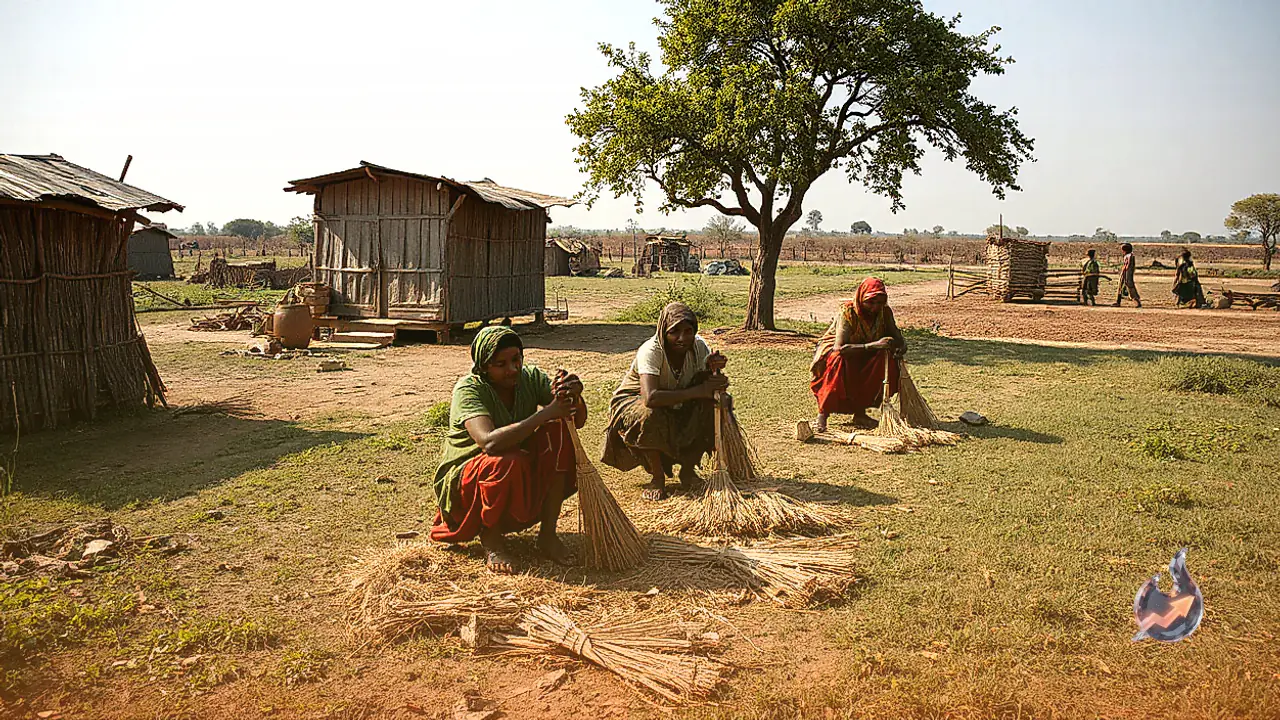

Villagers residing across the Bastar region rely heavily on local forests and fields to fulfill their daily requirements. For household cleaning purposes, instead of purchasing brooms from the market, residents utilize a special type of grass known locally as Karla lata. The villagers skillfully craft functional brooms themselves using this readily available natural resource.
Zero cost and natural cultivation
This unique grass grows naturally in the fields or can be cultivated by villagers in their home gardens. When planted during the monsoon season, the crop becomes ready for harvesting by the time winter arrives. The most remarkable aspect of growing this grass is that it requires absolutely no chemical fertilizers, nor do residents need to spend any money to cultivate it.
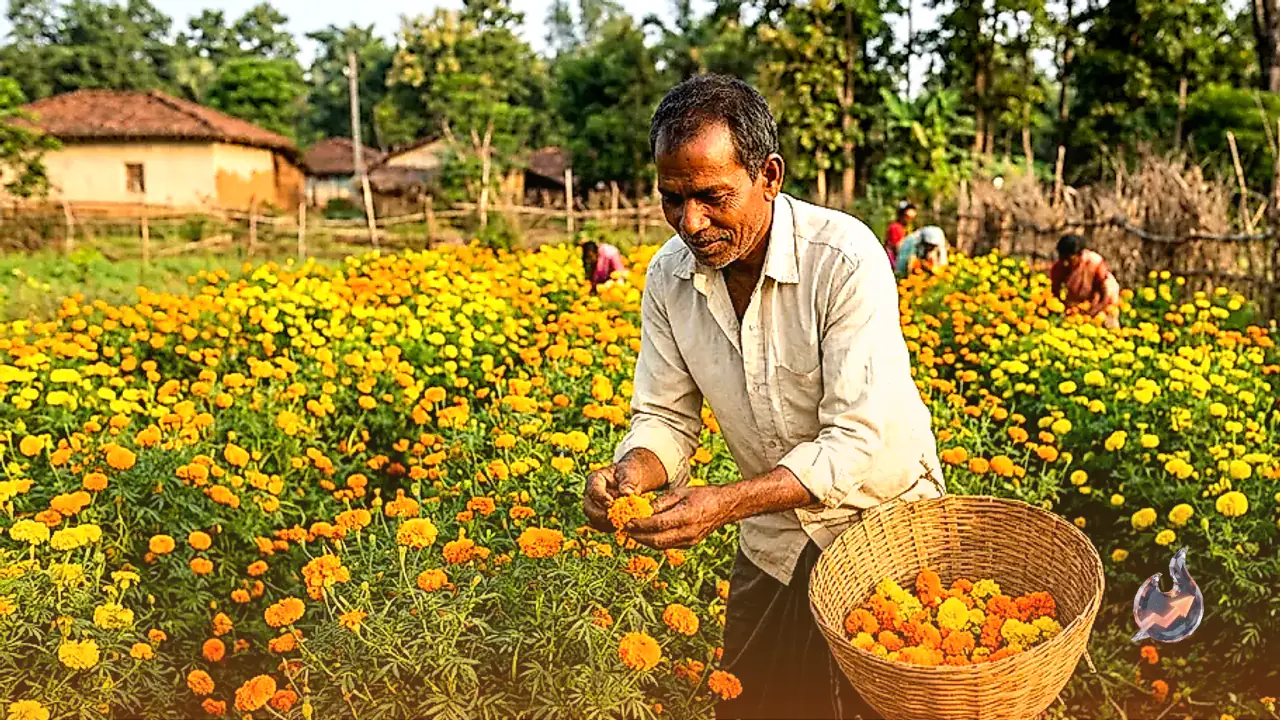
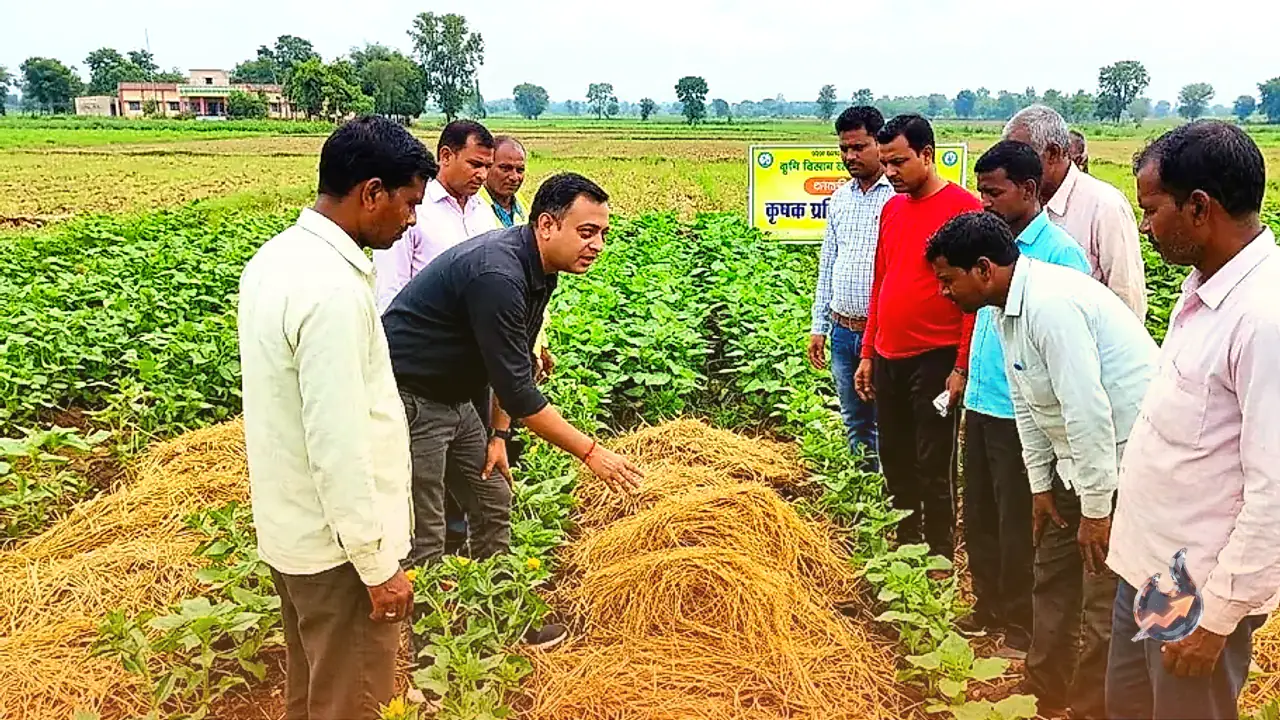
Sharing insights into the harvesting process, local resident Sonyal explained that he had planted Karla grass in a portion of his courtyard during the rainy season. With the onset of winter, the grass has fully matured, and harvesting work is currently underway.
Significant financial savings for households
Sonyal noted that approximately 50 brooms can be manufactured from this harvest. In the open market, a single broom typically costs between 40 to 50 rupees. Growing this resource at home comfortably fulfills the household broom requirement for one to two years. Utilizing around 50 homemade brooms over a two-year period translates to direct savings of approximately 2,000 rupees.
Complete reliance on natural resources
Even today, the rural communities of Bastar depend extensively on local and natural resources to sustain their daily lives with minimal means. The primary advantage of Karla lata is that its cultivation demands no monetary investment or artificial manure. Villagers harvest this vegetation as needed from fields and courtyards, transforming it into durable cleaning tools through traditional methods.