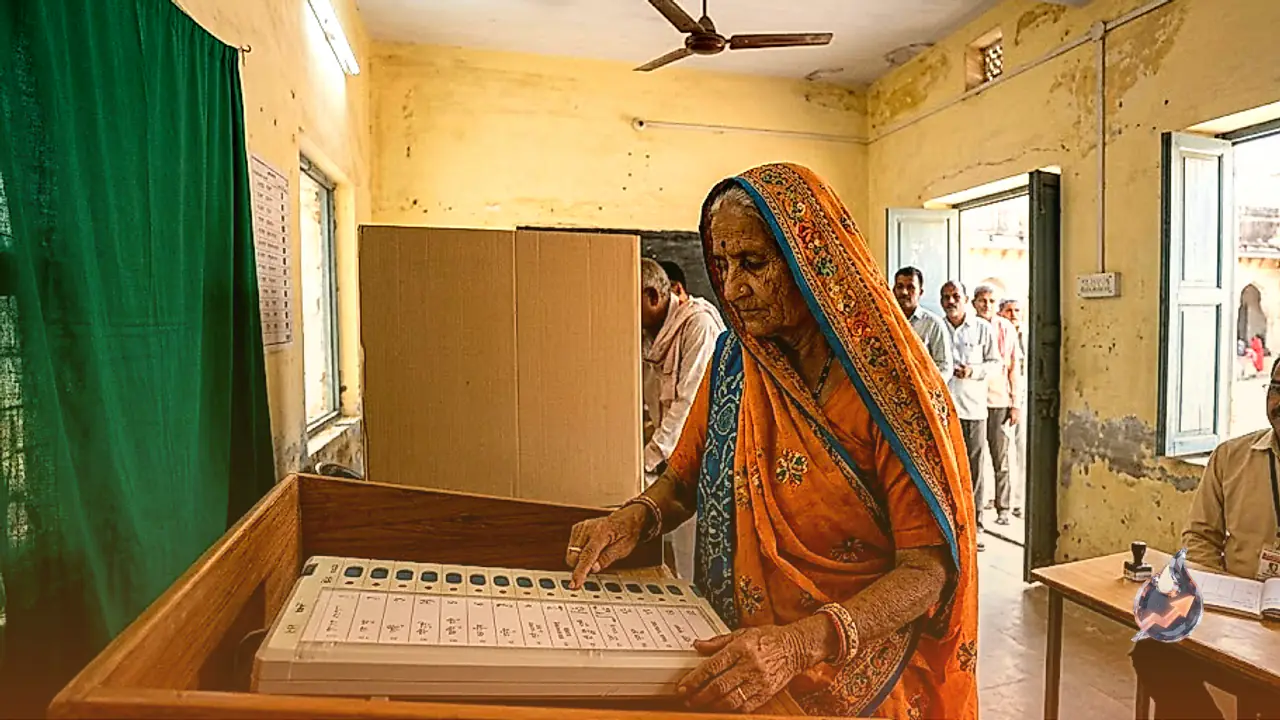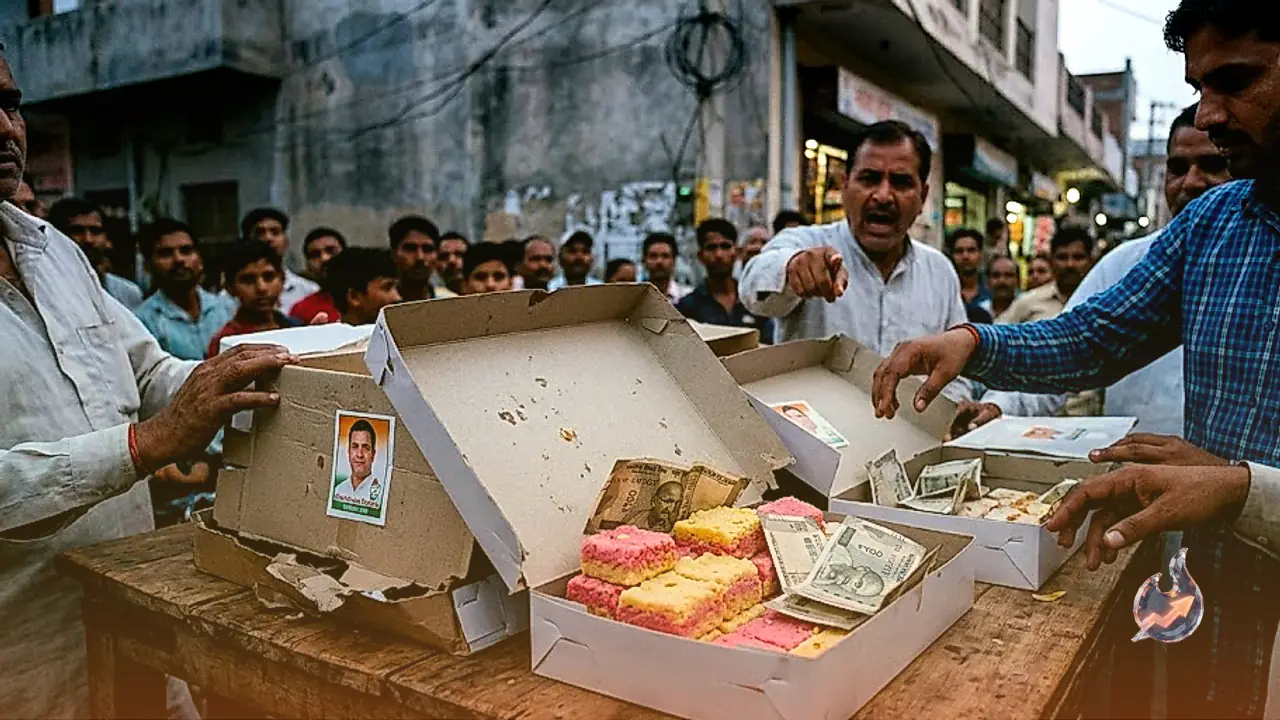

























The process of electing urban local governance in Rajasthan has entered its decisive phase. Voting for the first round of the 2026 local body elections commenced at 7:00 AM across the state. Long queues of voters have been visible at polling booths since early morning as urban residents gather to choose their civic representatives. In this electoral contest, internal friction and candidate rebellion have emerged as primary operational challenges for both the Bharatiya Janata Party and the Congress. Following ticket distribution, dissatisfaction among party workers spilled into the open in several quarters, prompting both organizational setups to launch damage control measures that continue actively on polling day itself. While Congress focuses on neutralizing the influence of rebel candidates to protect its candidate vote share, the BJP has directed its resources toward wards where it considers its structural position weaker.
Post-Nomination Discontent and Polling Day Damage Control
The distribution of party tickets for the urban elections triggered notable discontent within both major political organizations. Prior to polling day, senior leaders from both parties undertook extensive reconciliation efforts to persuade disgruntled workers to withdraw their candidacies. While these measures partially contained the unrest, hundreds of party rebels remained in the contest as independent candidates, posing direct challenges to official party nominees. As a result, both party apparatuses are actively executing damage control on voting day itself. Campaign managers are utilizing every available political tactic to consolidate support, aware that voter turnout shifts in the remaining hours can substantially alter race outcomes across tightly contested wards.
Congress Strategy for Neutralizing Rebel Impact
The Congress party has structured its response around minimizing vote fragmentation caused by rebel candidates. Its core tactic involves establishing direct line communication with party rebels and their key local backers on the ground. Operating under a pragmatic approach focused on mitigating further electoral erosion, party organizers are seeking to rally rebel bases behind official nominees. Because only four hours elapsed during the initial morning voting window, voter turnout had not reached its peak early in the day. With voting scheduled to close at 6:00 PM, party teams are taking advantage of the remaining seven hours of polling time to actively contact local ward influencers and steer voter groups back toward the party's recognized candidates.
BJP Deploys High-Tech Monitoring Across 1350 Weak Wards
Conversely, the BJP has implemented a targeted, technology-assisted turnout initiative. The party identified approximately 1,350 wards within the first phase where internal assessments indicated relative vulnerability. In these specific areas, the BJP strategy centers on driving maximum voter participation among its core supporters to prevent abstention. To coordinate this effort, the party established a central monitoring desk at its state headquarters in Jaipur. This central hub is delivering real-time directives to ground workers stationed across polling stations, ensuring that identified party sympathizers are mobilized from their homes to the booths. Party strategists anticipate that high, organized voter turnout in these critical wards can secure lead margins even in traditionally tough contests.
Leadership Supervision and Electoral Scope
Senior party leadership is maintaining continuous oversight of polling developments across the state. BJP State President Madan Rathore and Rajasthan PCC Chief Govind Singh Dotasra are personally supervising operations through dedicated command teams, receiving regular feedback reports directly from municipal wards. Simultaneously, senior party leaders and regional managers remain stationed in their respective districts to maintain close contact with central headquarters and execute tactical adjustments as ground situations evolve. Out of a total 309 urban local bodies in Rajasthan, polling is taking place across 162 bodies during this first phase. These 162 local bodies encompass 5,393 individual wards where voters are casting their ballots to decide the governance of their local municipal administrations.