






















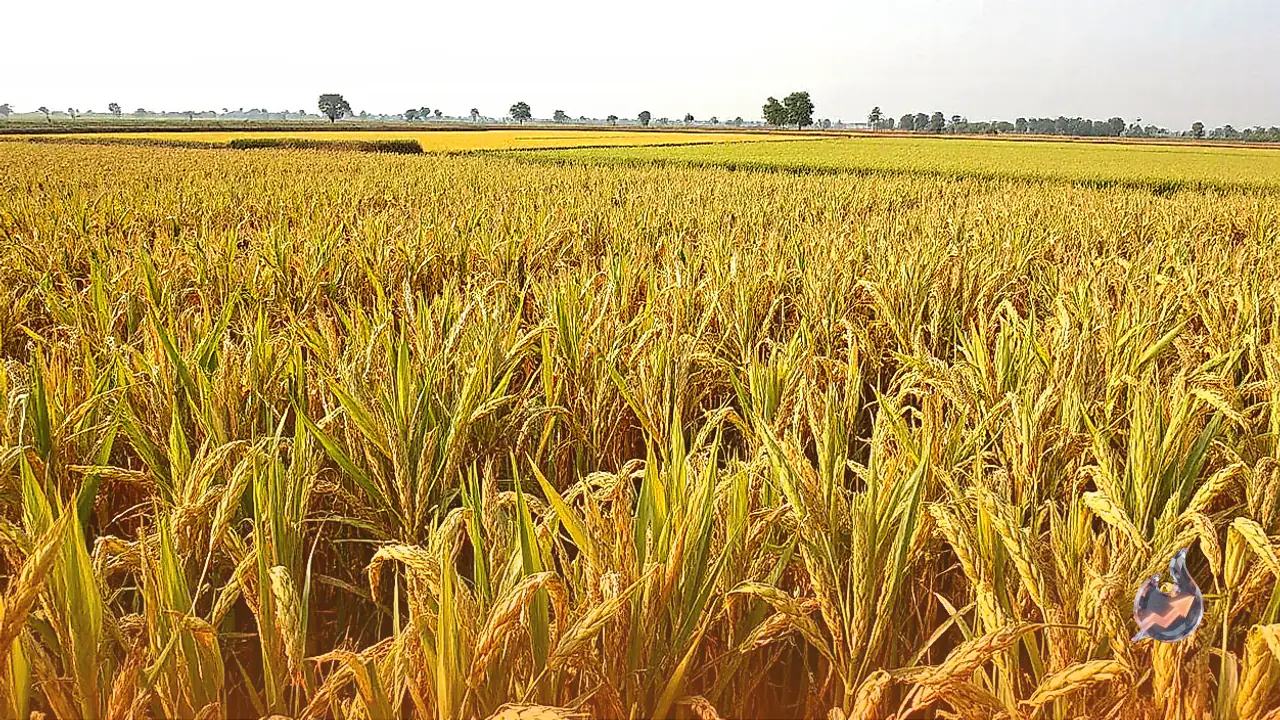

Paddy cultivation across Chhattisgarh has entered an exceptionally sensitive and crucial phase as crops in many fields are currently undergoing panicle emergence. During this delicate developmental stage, farmers are confronting a serious challenge in the form of neck blast disease, commonly known as collar rot or throat blight. The disease directly targets the junction where the panicle emerges from the stem, threatening to severely degrade overall agricultural output. Agricultural scientists have sounded a cautionary note, warning that unchecked infections during this window can lead to yield losses of up to 50 percent, making timely field inspections and swift remedial measures essential for protecting the harvest.
Identifying Symptoms of Neck Blast in the Field
Spotting the infection early requires systematic and frequent inspection of standing crops. Senior scientist at Krishi Vigyan Kendra Balod, Dr KR Sahu, stated that the disease first manifests as distinct brown spots right at the base where the grain-bearing panicle emerges from the shoot. As the infection progresses, this critical junction weakens and deteriorates structurally. Due to the breakdown and weakening of the upper stalk tissue, the paddy panicles often droop or bend over prematurely. This characteristic drooping and tissue damage at the node is precisely why the affliction is classified as neck blast or throat blight.
Fungicide Recommendations and Application Guidelines
To curb the spread of this fungal pathogen and safeguard the grain, targeted chemical interventions have been advised. Dr KR Sahu explained that farmers can deploy effective fungicides such as tebuconazole and hexaconazole to arrest the infection. The recommended application ratio is one gram of fungicide mixed per litre of water. To achieve uniform and thorough coverage across the canopy, growers should use a minimum of 150 litres of water solution per acre of crop area. However, farmers are advised to carefully consult the manufacturer label on the product packaging and verify local guidelines with agricultural specialists before finalising dosages and spraying schedules.
Critical Window for Crop Protection and Regular Monitoring
The timing is especially vital for the farming community because panicle initiation and emergence remain underway across several varieties of paddy throughout Chhattisgarh. Crop loss risk remains at its peak during this specific vegetative-to-reproductive shift. Overlooking the early indicators of neck blast can quickly turn devastating, wiping out up to half the expected grain yield. Growers are urged to walk their fields regularly, watching closely for brown lesions beneath the panicle, weakness near the upper stem, or unexpected drooping of grain heads, and to consult agricultural authorities immediately to deploy timely corrective measures.