






















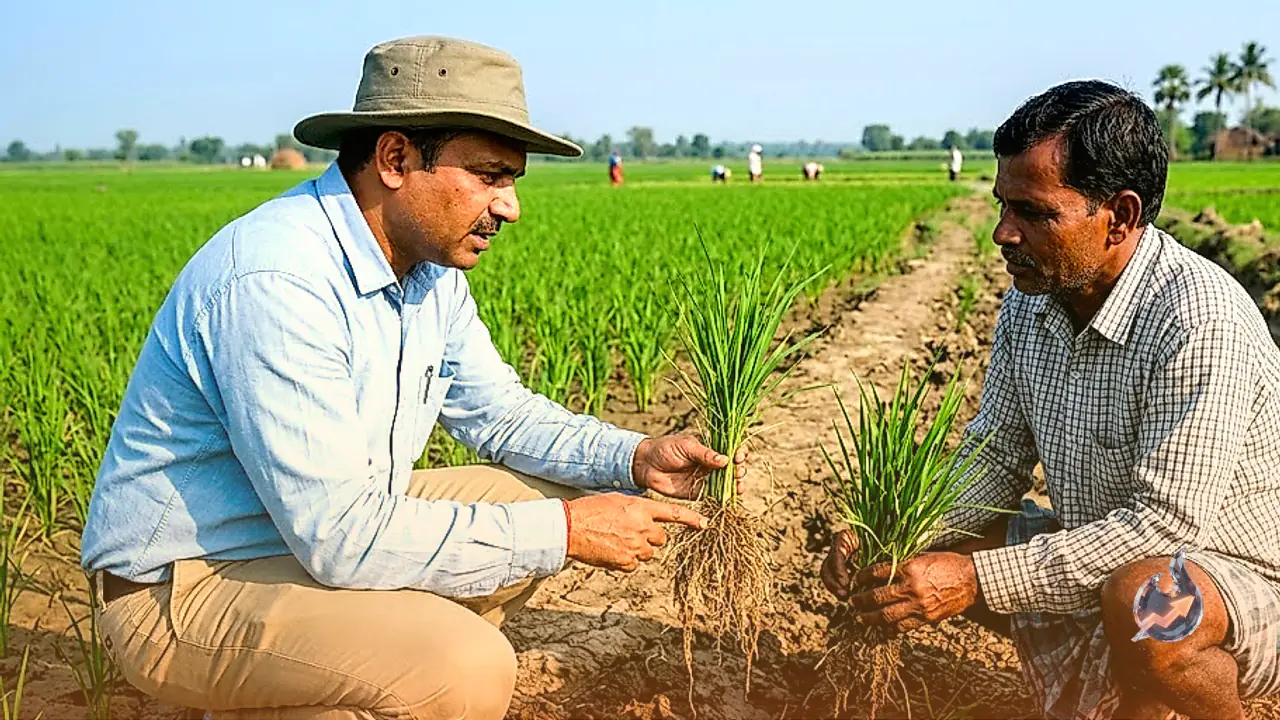

Chhattisgarh is traditionally known as the rice bowl of the region, where local farmers heavily prioritize paddy cultivation. However, agricultural experts have recently advised against the practice of keeping paddy fields continuously flooded, warning that it can deplete soil oxygen and negatively impact overall crop yields. Agricultural expert Sanjay Yadav explained that while paddy crops require water, keeping the fields constantly submerged is not considered beneficial for the plants. According to him, allowing water levels to drop periodically within the field is also essential for optimal growth.
Ensuring Proper Oxygen Flow in Soil
Sanjay Yadav clarified that letting the field dry out for certain periods allows fresh oxygen to circulate through the soil. The soil contains numerous beneficial microorganisms that require oxygen to thrive, and these organisms play a vital role in supporting the overall development of the crop. Continuous waterlogging starves the soil of this necessary airflow, which can hinder plant vitality.
Encouraging Root Development and Tillering
Continuous standing water is discouraged if farmers want to achieve robust root growth in paddy. Allowing the field to dry out for a few days after draining the water helps the plant roots expand and grow stronger. Furthermore, maintaining an appropriate balance between moisture and dry spells in the field helps the paddy produce better tillers. This leads to healthier plants and a more vigorous crop overall.
Recommended Irrigation Schedule for Farmers
Experts have advised farmers to ensure that water does not accumulate continuously in the field for two to five days after draining. However, this interval may vary depending on soil composition, prevailing weather conditions, and the specific growth stage of the crop. Irrigation can then be resumed as needed. This approach helps maintain a steady flow of oxygen in the soil and promotes healthier root systems.