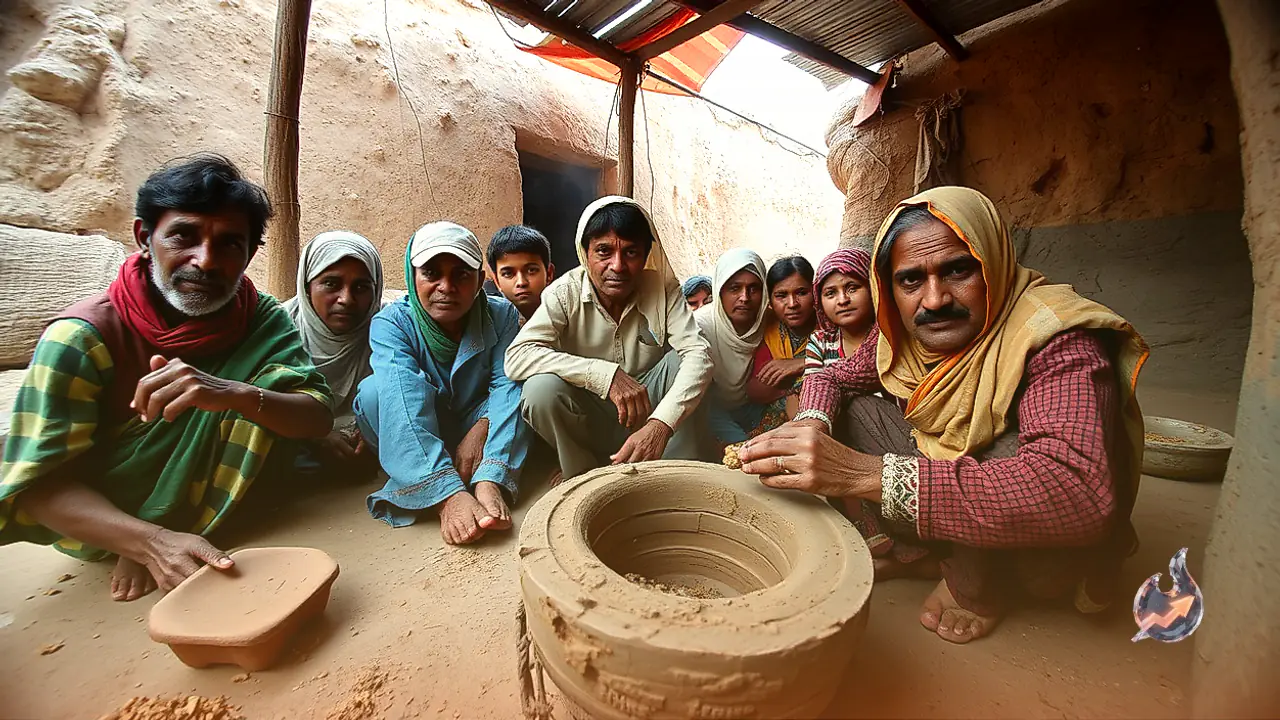

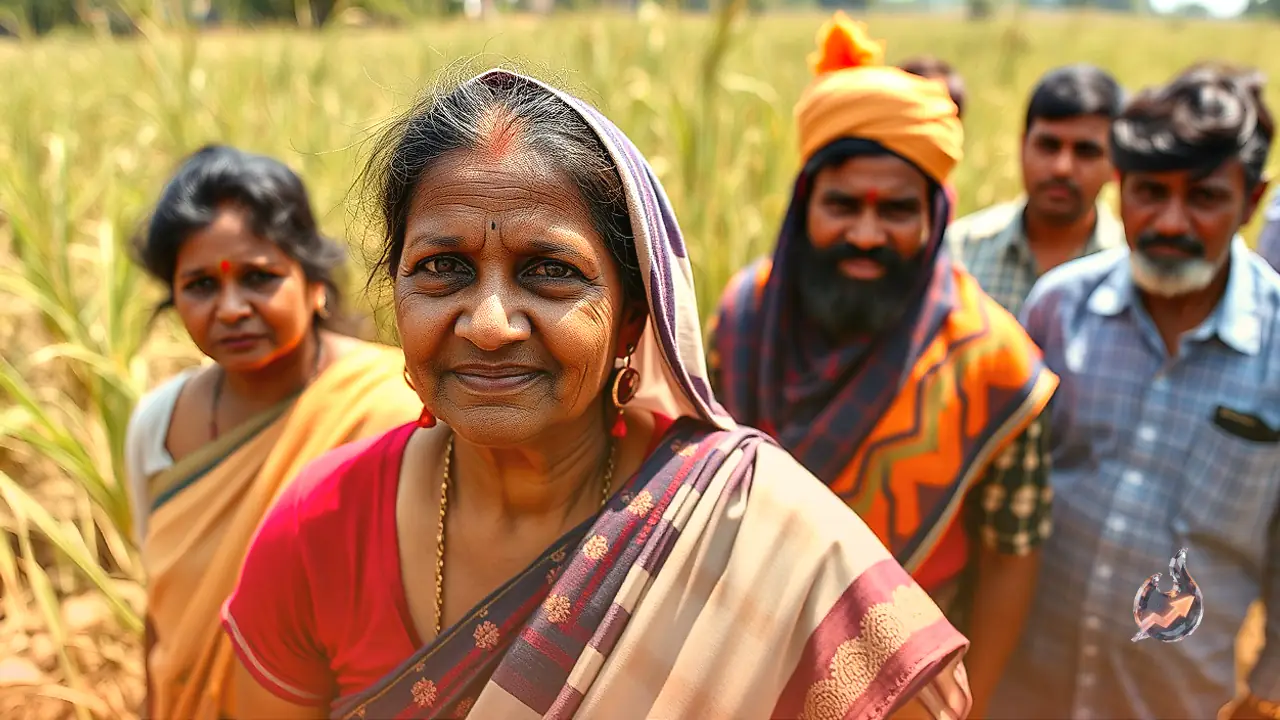

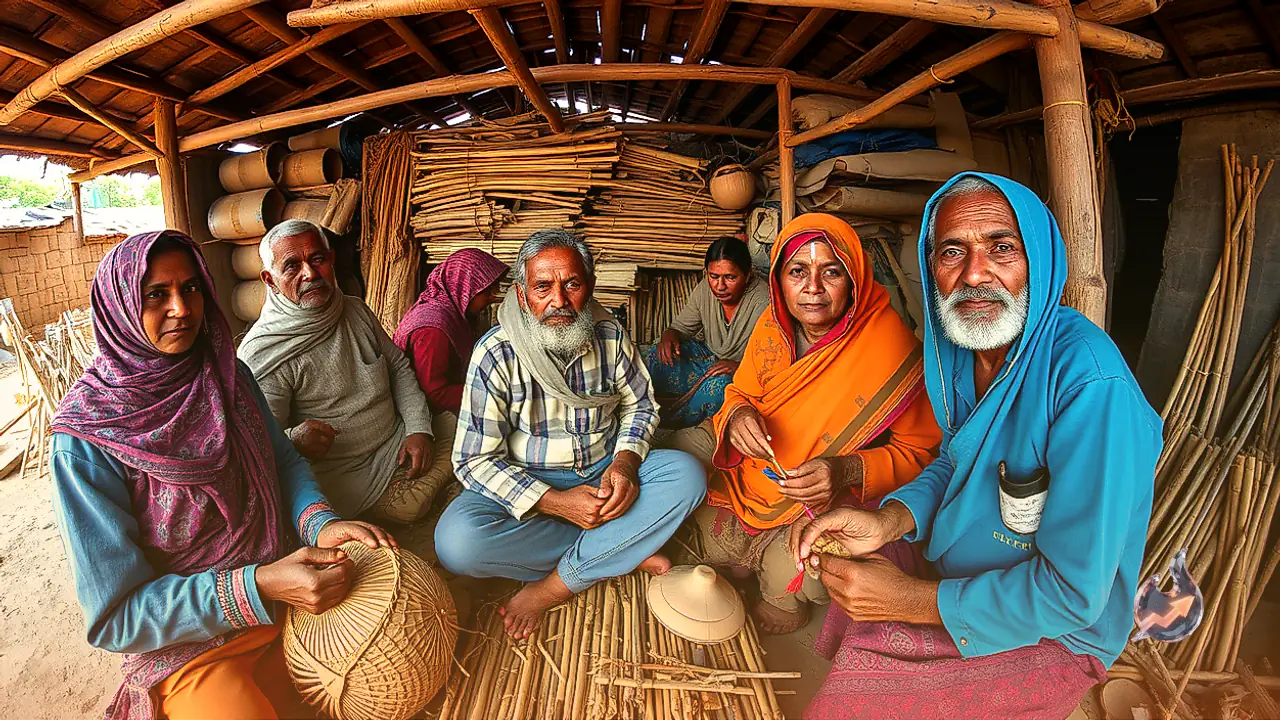
















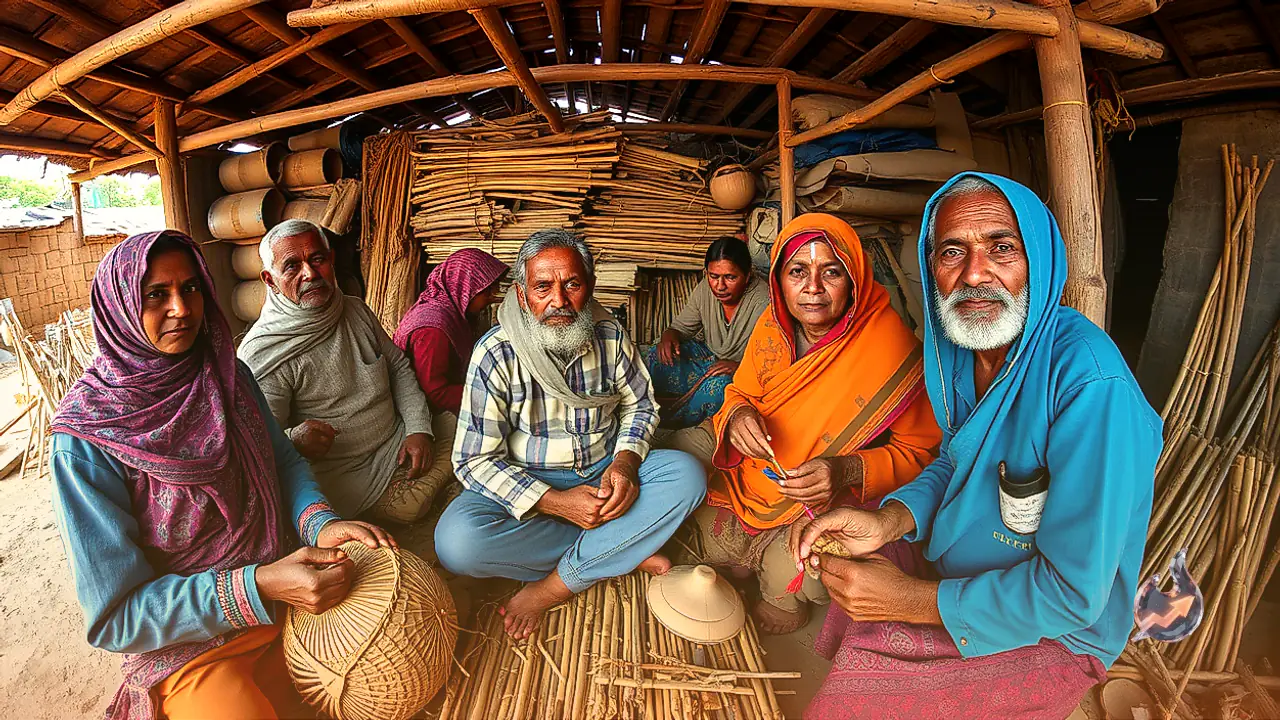

Chamru Manjhi, a resident of Katkalo village in the Surguja district of Chhattisgarh, is nearly 70 years old, yet the dexterity and skill in his hands remain exceptional. Even in his advancing years, Chamru continues to showcase his talent and hard work by crafting items like 'garna', which is used for poultry rearing. In addition to this, he creates 'puti', a traditional vessel used in villages to store fish or local vegetables to prevent them from spoiling. For roughly 50 years, Chamru has handcrafted various seasonal items without ever needing to sell them in a market. Instead, the demand for his handmade products is so high that people visit his home directly to purchase them, allowing him to sustain his livelihood.
Learning the Craft from His Father and Practicing It for Five Decades
The elderly craftsman shared that he has been making 'garna' and other traditional items for about 50 years. He acquired this skill by watching his father make similar items during his childhood, eventually trying his hand at it and slowly mastering the craft. As time passed, this skill became his defining identity. Today, despite his advanced age, he has not forgotten his traditional art and continues to prepare these items whenever he finds the time.
Sourcing Materials from the Forest and Handcrafting Useful Goods
Chamru Manjhi procures the necessary raw materials from the forest to create these items, though locals occasionally provide materials for him as well. He then relies on his vast experience and craftsmanship to fashion useful goods. His work is entirely rooted in traditional methods, combining rigorous physical effort with years of accumulated expertise.
From Covering Poultry to Gathering Vegetables: The Utility of Garna
Chamru Manjhi's son, Dilip, informed Local 18 that the item used to cover chickens is locally known as a 'garna'. Alongside this, Chamru also crafts 'mora', 'phuti', and various other small and large traditional items. These goods serve multiple purposes across rural areas, finding utility in agricultural regions for gathering vegetables and near rivers and streams for fishing.
No Need to Visit the Market as Customers Arrive at the Doorstep
The method of selling Chamru Manjhi's creations is quite unique. He does not take his goods to the market to sell them himself; rather, buyers come straight to his house. According to Dilip, a single 'garna' is sold for roughly 300 rupees, which highlights the continued relevance and utility of this traditional art. However, exact figures regarding total sales volume and overall income remain unverified.
Preserving Rural Heritage Amid the Modern Era
The story of Chamru Manjhi, who has been crafting traditional goods for nearly five decades, is not merely the tale of an elderly artisan, but a reflection of a rural heritage that has been part of people's lives for generations. The skill he learned from his father remains alive in his hands today. In an era dominated by modernity, such artisans play a vital role in preserving traditional knowledge and local culture. There is a clear need for such craftsmanship to receive due recognition so that future generations can learn and carry the tradition forward.