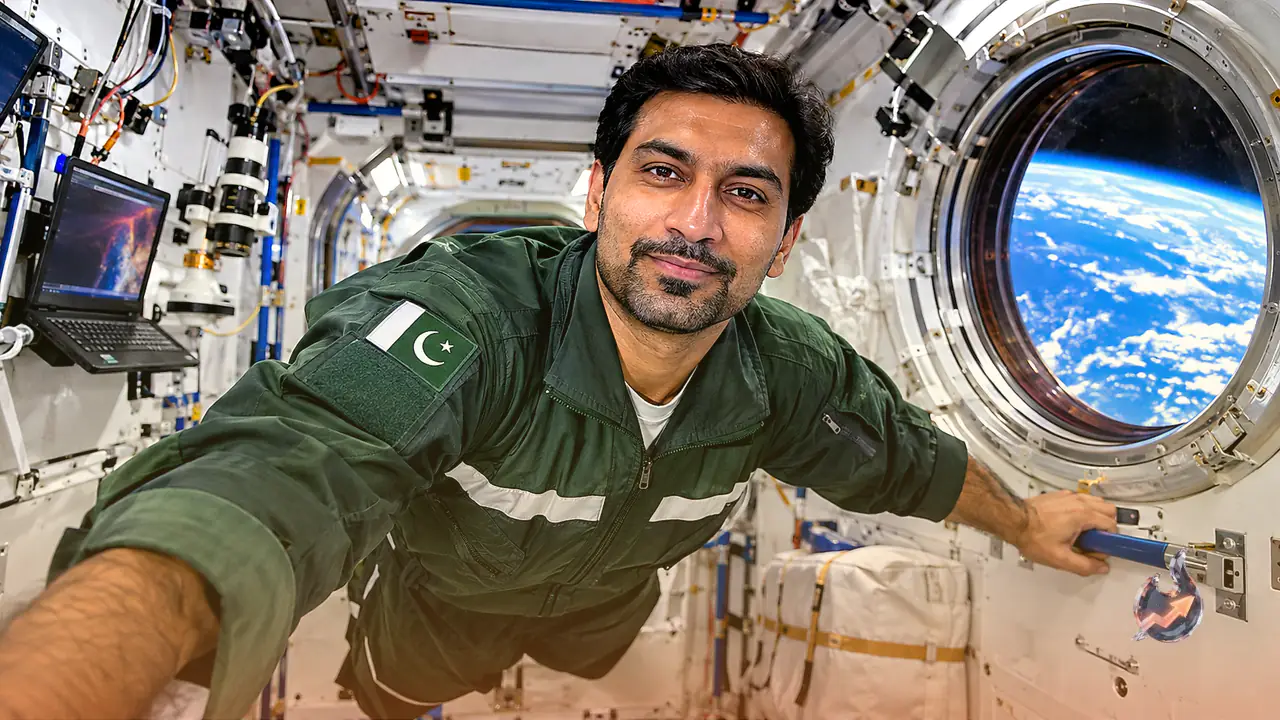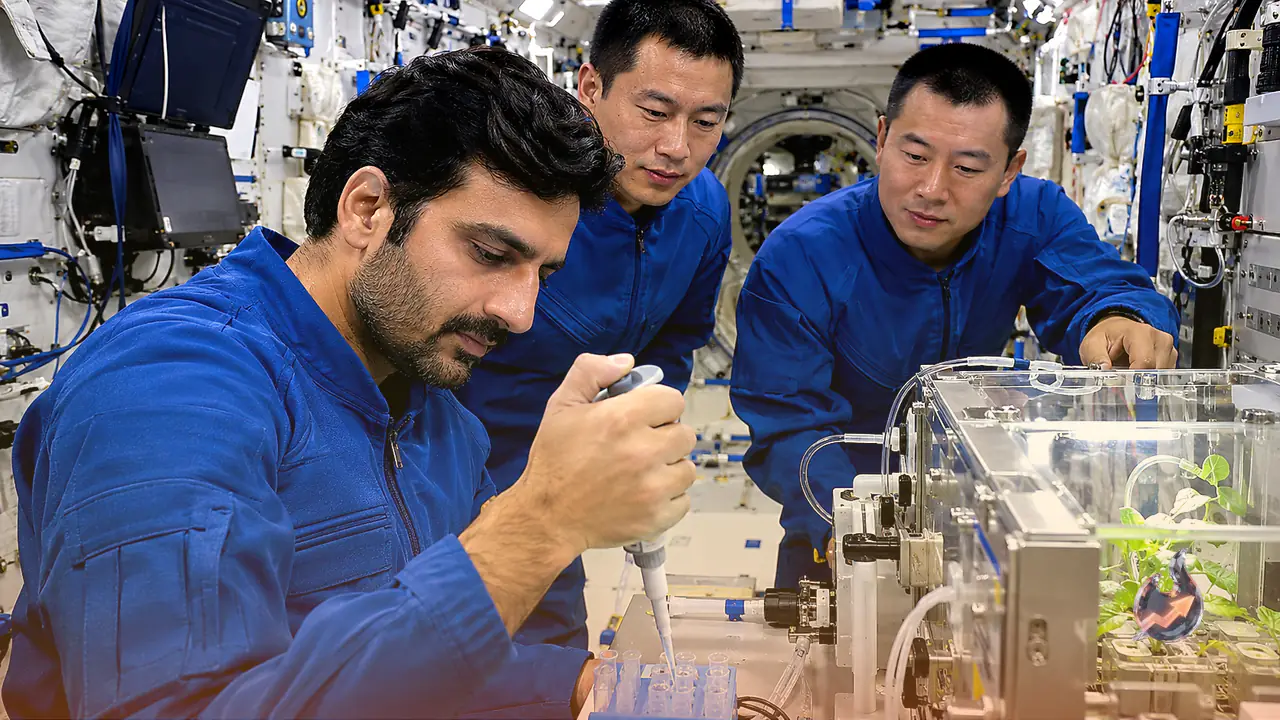

The definitions of warfare and national security are undergoing rapid transformations across the globe. According to international reports, China is gearing up for major systemic overhauls by the year 2030. The neighboring country is intertwining AI models, defense education, and football to reshape the mindset and preparedness of its youth. This strategy trains the younger generation in advanced technology, strict discipline, and physical fitness. In light of these developments, it is equally crucial for India to examine the direction in which its own preparations are advancing in this changing era.
On the other hand, India has also launched several initiatives over the past few years focusing on education, skill development, and fitness. Through the implementation of the new education policy, schools and colleges are placing a strong emphasis on coding, AI, and practical learning. Systems like Fit India, Khelo India, and the NCC are actively promoting discipline and good health among young citizens. However, a significant contrast is visible between China's 2030 plan and India's existing model. China's approach appears heavily tied to a defensive mindset, whereas India's primary focus leans more toward skill development, innovation, and public participation.
AI and Defense Education: What Is the New Equation?
China is integrating AI models, cyber awareness, and modern technology into its defense literacy and training programs. The objective is clear so that youth do not merely read books but also comprehend evolving technologies and contemporary security challenges. In contrast, India is promoting iDEX and indigenous startups to strengthen the defense technology sector. Students are being introduced to AI and coding through Atal Tinkering Labs and digital skill programs. While India views this through the lens of a technology and innovation ecosystem, China is binding the entire framework to a strict 2030 strategic timeline.
Football and Fitness: Why Strategy Is Hidden in Sports
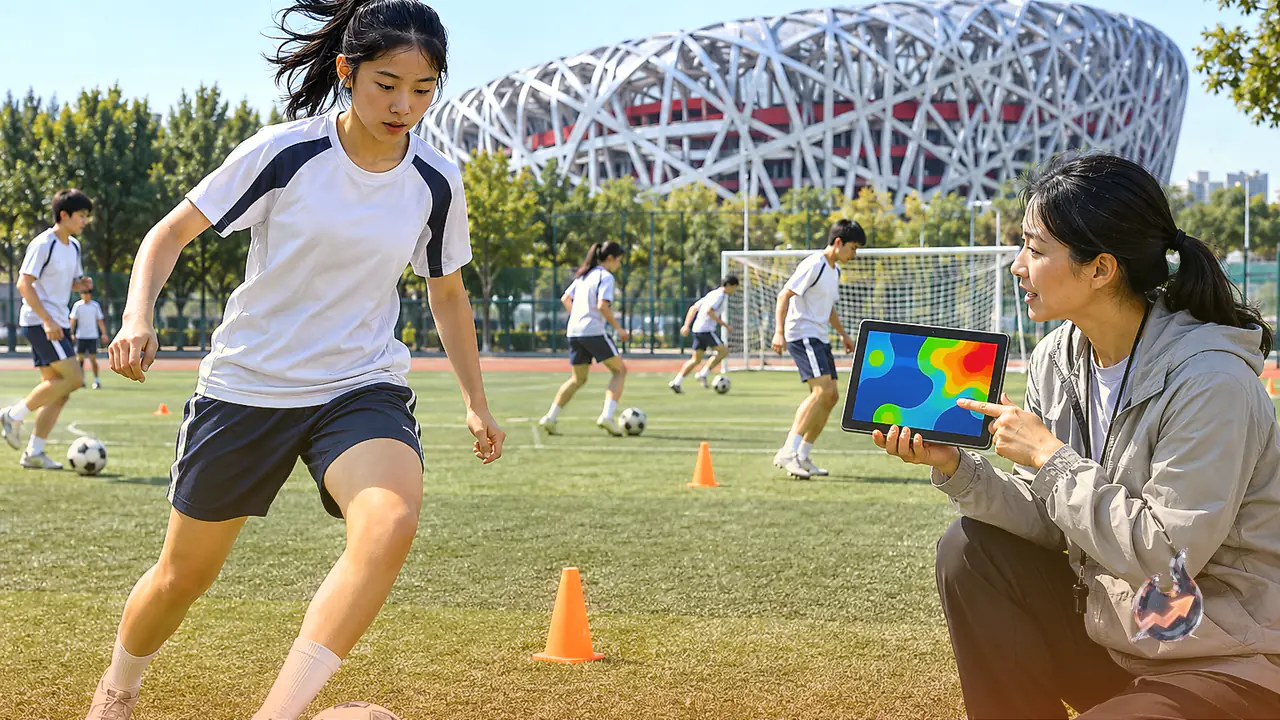
Sports naturally cultivate discipline, teamwork, and the resilience to withstand pressure. In China, football is being closely associated with physical fitness and team spirit to foster overall development. Meanwhile, grassroots campaigns like Khelo India and Fit India operate extensively across India. Additionally, the National Cadet Corps stands as a major institutional strength for India. Cadets receive training in discipline, leadership, disaster management, and national service. India possesses a robust institutional framework that can be further refined with modern techniques and a vibrant sports culture.
The 2030 Goal and India's Youth Demographic
According to a report published in the South China Morning Post, China has established a timeline extending to 2030. This timeframe holds special significance for India as well, given that the country houses the world's largest youth population. Consequently, the core question is not about emulating anyone else, but rather about channeling the immense energy of the youth in the right direction. It is imperative for India to integrate digital hygiene, cybersecurity, data comprehension, and physical health into daily habits at the school and college levels. Concurrently, enhancing problem-solving and innovation capabilities remains vital.
What Is Changing for Indian Students?
In the coming years, the landscape of career opportunities will not remain static. Whether an individual aspires to enter the defense sector, the technology domain, or civil services, a foundational understanding of AI will prove useful everywhere. Concurrently, physical fitness and mental strength will hold equal importance. Students and parents must recognize that a sharp mind and a healthy body are no longer two separate concepts. Navigating this evolving era successfully requires a firm grasp of technology alongside personal discipline.