






















A critical shift in the Middle Eastern security landscape has emerged as sophisticated missile hardware recovered from attacks against Saudi Arabian territory points toward Chinese manufacturing networks. Yemeni Houthi insurgents, widely aligned with Tehran, have deployed advanced weaponry equipped with components originating from Chinese suppliers. This development elevates the protracted conflict beyond a local confrontation, transforming it into a high-stakes arena of global geopolitical competition, illicit weapons proliferation, and military technological evaluation that directly challenges security calculations in Riyadh, Washington, and Tel Aviv.
Technical Forensic Findings Point to Chinese Suppliers
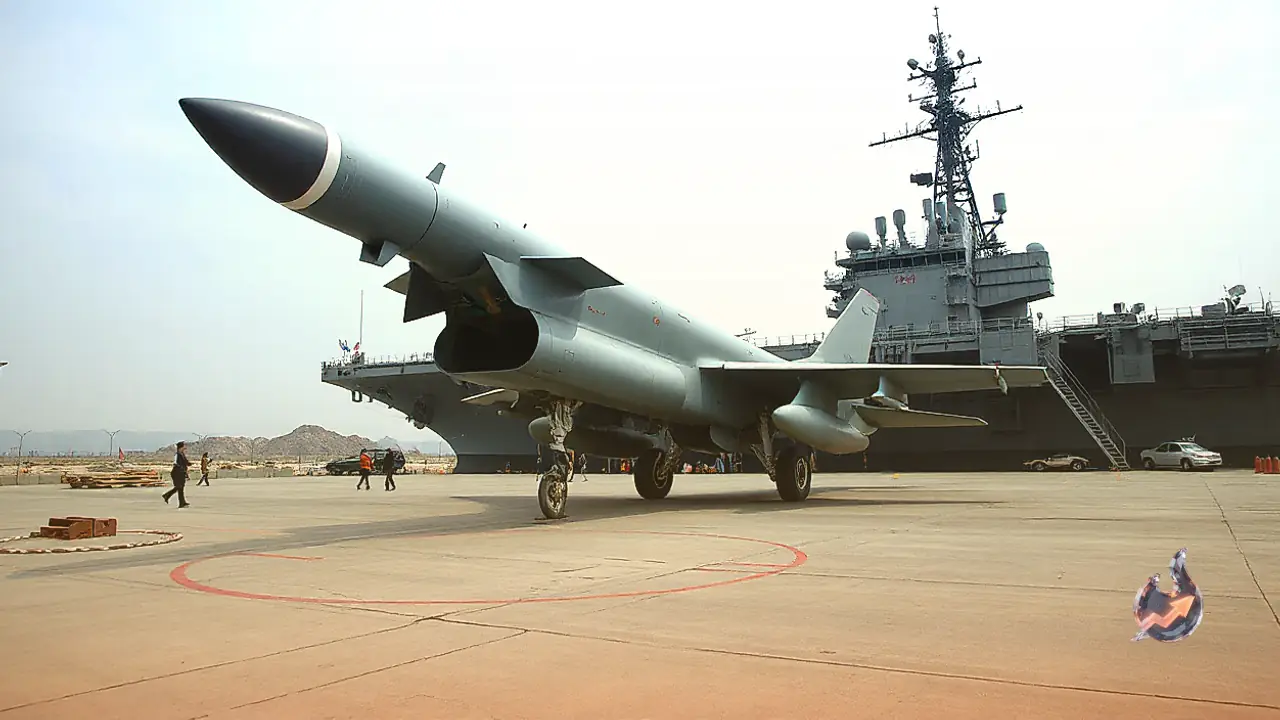
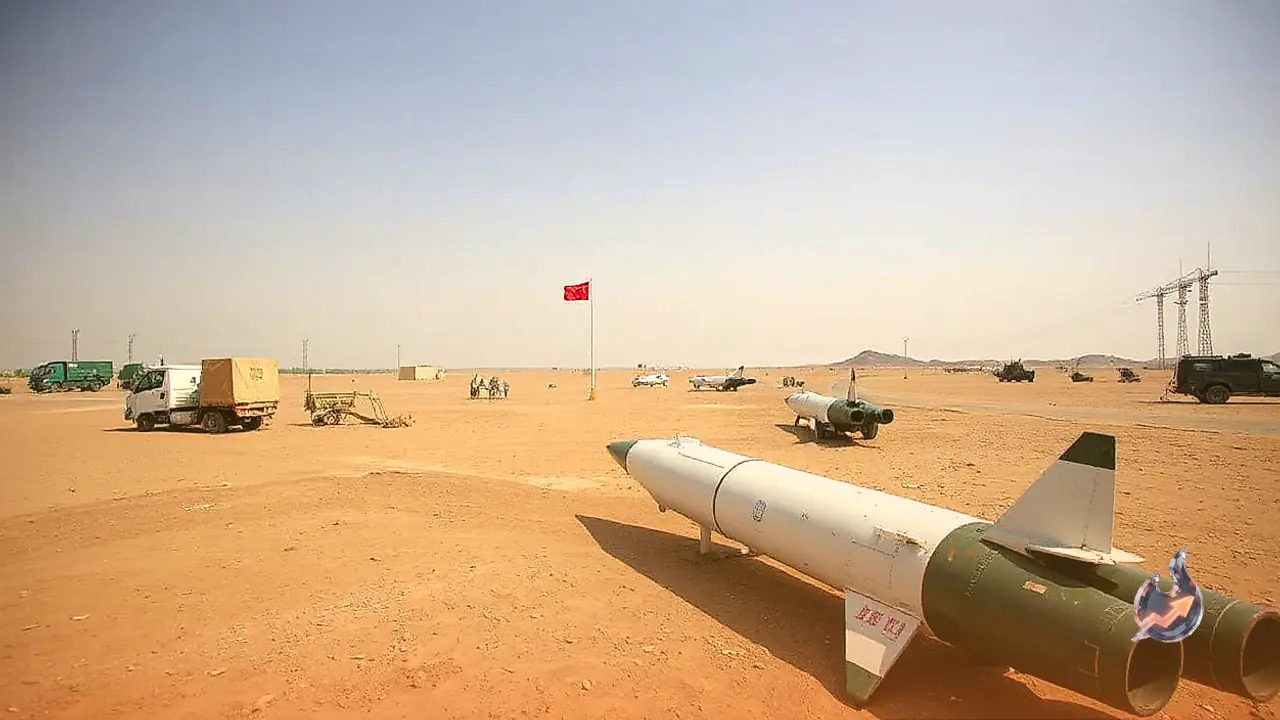
Investigations into intercepted weapon shipments destined for Houthi-controlled regions, alongside technical analyses of missile debris recovered from attack sites, have identified specific foreign components within the rebel arsenal. Weapon tracking specialists examining the wreckage found that critical components of the rocket motors, aerodynamic stabilizing fins, and precision-engineered airframe sections were tied to suppliers based in China. In modern rocketry, stabilizing fins and tailored propulsion housings are vital for maintaining aerodynamic stability and navigational trajectory, allowing weapons to bypass interceptors and accurately strike strategic infrastructure across long distances. The presence of these specialized parts in the hands of a heavily sanctioned non-state group indicates sophisticated procurement channels that circumvent international embargoes.
Diplomatic Strain on Beijing and Riyadh Relations
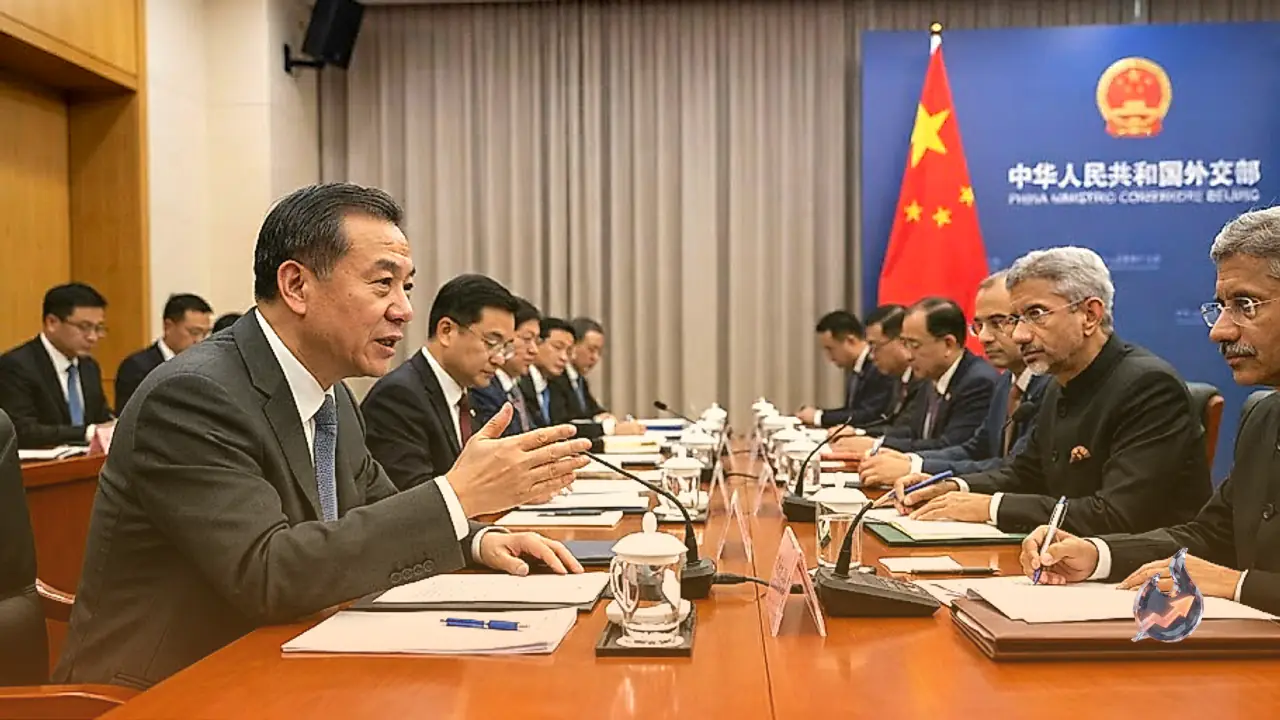
The appearance of Chinese-origin components in attacks targeting Saudi installations presents an acute dilemma for the leadership in Riyadh. China is currently Saudi Arabia's principal economic partner and the largest buyer of Saudi crude oil. Furthermore, Beijing played a prominent diplomatic role in 2023 by mediating the landmark agreement that restored formal ties between Saudi Arabia and Iran. Having military technology linked to Chinese supply chains utilized against Saudi critical infrastructure introduces sharp friction into this burgeoning relationship. While international observers note there is no public confirmation proving direct authorization by the Chinese government, the failure of export compliance and the diversion of industrial technology to hostile groups threatens to sow deep distrust between Riyadh and Beijing.
The Yemeni Battlefield as a Weapons Proving Ground
Military analysts warn that the ongoing warfare in Yemen has effectively evolved into an unintended proving ground for modern armaments. Houthi forces have repeatedly demonstrated their ability to deploy unmanned aerial vehicles, precision guided ballistic missiles, and advanced electronic warfare systems against Saudi oil refineries operated by Aramco, civil airports including Riyadh, and key maritime lanes. Deploying missile designs and components under real-world combat conditions allows manufacturers and procurement syndicates to assess system reliability, structural endurance, and countermeasure vulnerabilities against Western-supplied air defense systems. This tactical feedback loop presents severe complications for international defense planners.
Strategic Implications for Gulf Regional Security
Security strategists emphasize that Saudi authorities cannot view these supply chain discrepancies merely as ordinary smuggling irregularities. Instead, they represent a direct structural warning regarding Gulf national security and infrastructure resilience. Saudi Arabia has previously explored defense acquisitions from Chinese contractors, making the proliferation of similar industrial components to opposing forces a double-edged challenge. If covert technology transfers and gray-market defense logistics to regional armed groups continue unabated, the deterrence framework protecting vital energy assets, commercial shipping, and territorial integrity across the Arabian Peninsula will face sustained erosion.