

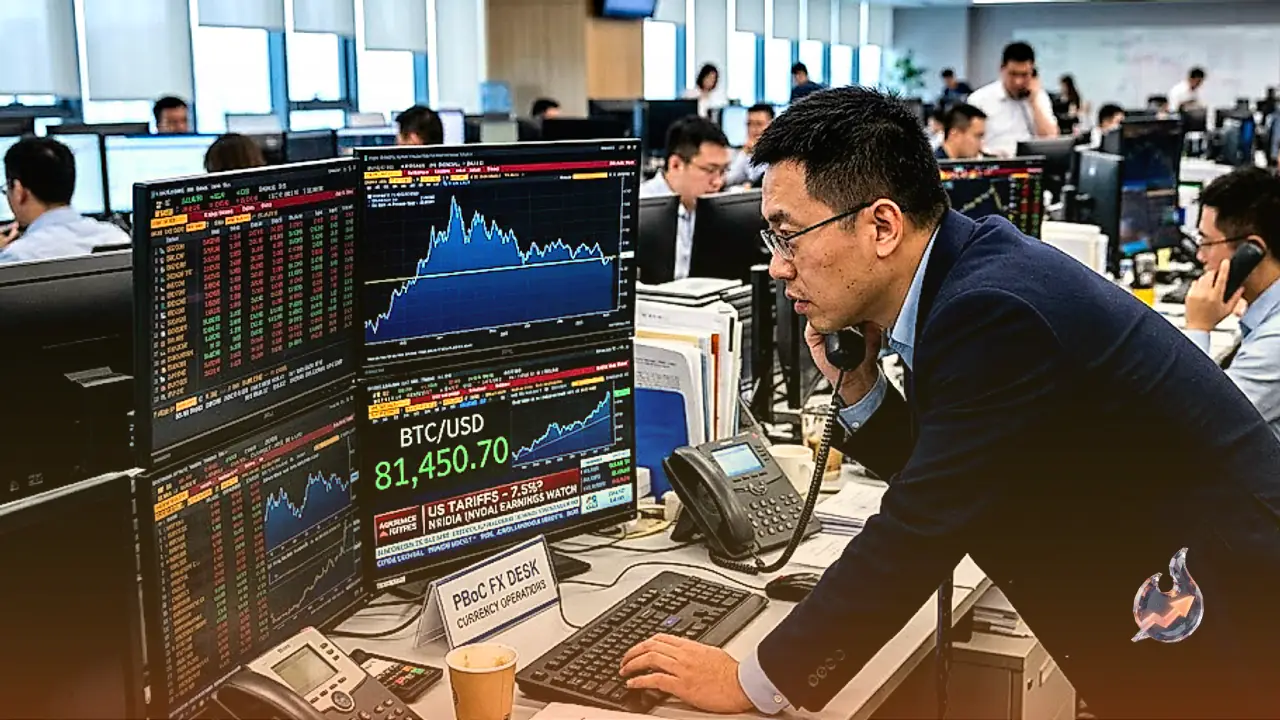


















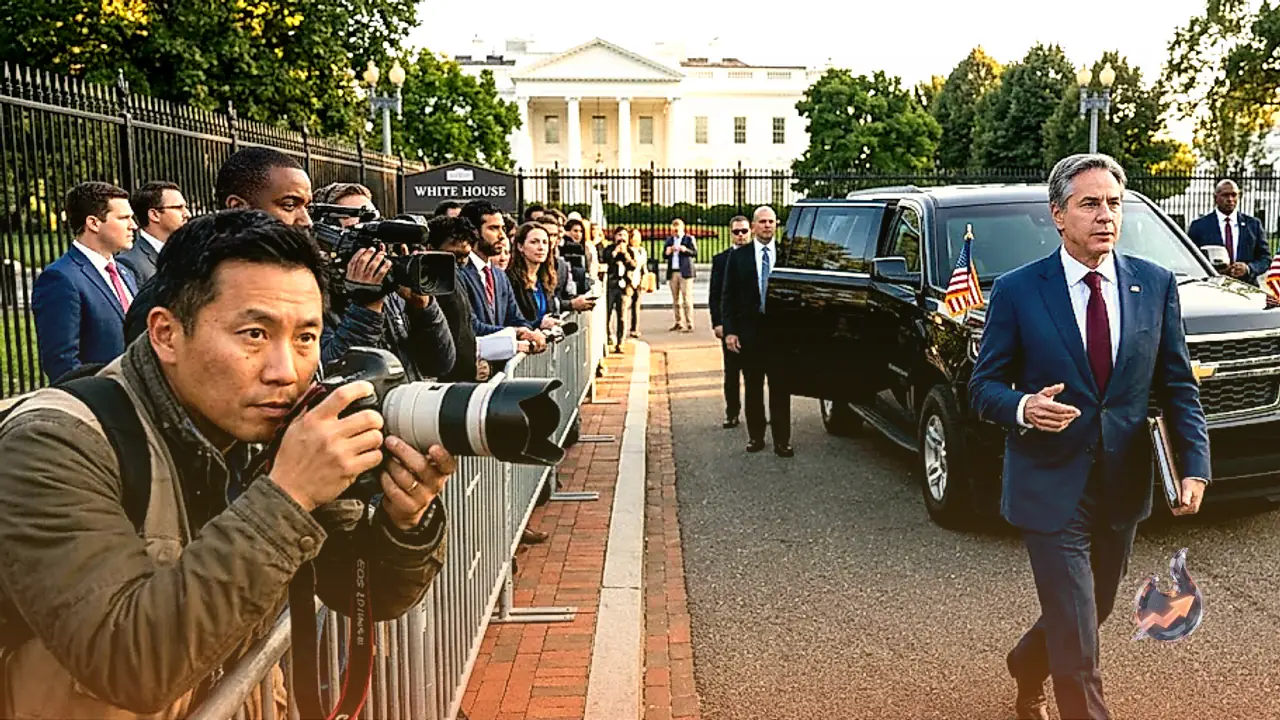

Diplomatic and economic friction between the United States and China has flared up once again, with Iran emerging as the latest flashpoint. Following Washington's announcement of fresh economic sanctions against Tehran, Beijing has voiced strong opposition. While the measures are formally aimed at squeezing Iran's energy networks, their fallout is spilling directly into Chinese corporate operations and energy supply chains. US Treasury Secretary Scott Bessent announced these stringent measures on Monday. The expanded restriction framework sweeps in several private companies based in Hong Kong and China, exposing deep underlying rifts between the world's two largest economies.
Although the US administration has so far refrained from directly penalizing major Chinese state-owned financial institutions, targeting private firms operating within Chinese jurisdiction has caused significant friction in Beijing. Financial and geopolitical analysts view Washington's move as an aggressive tactic to intensify economic pressure on Tehran, yet its immediate side effect is deteriorating bilateral stability between the US and China.
Beijing's Sharp Response and Iran Oil Trade Dynamics
Responding firmly to the American measures, a spokesperson for China's Foreign Ministry issued an explicit warning on Tuesday. The official asserted that Beijing firmly opposes unilateral sanctions imposed outside the boundaries of international law. The spokesperson warned that China will take all necessary measures to protect its legitimate rights and sovereign interests. According to Chinese officials, the paramount priority at this stage should be de-escalating tensions and bringing both sides back to the negotiation table, rather than worsening conditions by imposing unilateral economic penalties on third parties.
China's forceful stance is rooted in its heavy commercial reliance on Iranian energy exports. China purchases approximately 90 percent of Iran's total crude oil exports. Domestically, China's crude oil trade operates through a distinct two-tiered structure. Large state-owned Chinese energy corporations generally comply with US sanctions to avoid secondary compliance risks. Conversely, independent private refineries, commonly known as teapots, continue importing crude oil from Iran. When the US previously imposed bans on Iranian oil shipments, Beijing explicitly instructed its domestic enterprises not to comply with those unilateral directives, allowing imports to persist.
Shadow Over the Xi Jinping and Donald Trump Washington Summit
Beijing's stern warning comes at an extraordinarily delicate moment, as top leaders from both nations prepare for a high-profile diplomatic encounter. President Donald Trump and Chinese President Xi Jinping are scheduled to hold a summit in Washington to address bilateral trade relations and broader geopolitical issues.
This upcoming meeting carries significant weight because both nations agreed to a one-year truce on their bilateral trade war in October of last year. The summit was intended to serve as a platform to discuss extending that truce and stabilizing commercial ties. However, this latest action by the US has injected severe strain into diplomatic relations before formally seated talks even commence.
Potential Economic Retaliation and Critical Minerals Risk
Geopolitical experts emphasize that if Washington decides to escalate its campaign by targeting major Chinese state-owned enterprises or financial clearing systems, Beijing will retaliate swiftly. China possesses potent economic levers capable of creating immediate pressure on American industrial supply chains.
Analysts recall that during last year's escalation, Beijing halted exports of critical minerals essential for high-tech manufacturing, effectively forcing the US manufacturing sector onto the back foot. That export restriction disrupted component production across multiple technology industries. Should the current confrontation over Iranian sanctions deepen, global markets and high-tech supply channels could face another round of severe disruption.