



















Political friction has intensified following the 'Goonj' student outreach program held in Pune, Maharashtra, by Congress leader Rahul Gandhi. Organised to engage young voters and highlight student issues, the event led close supporters to project him as a prime ministerial contender. However, political opponents quickly launched a counter-offensive, pointing to internal social media metrics to claim that senior Congress leaders themselves showed negligible enthusiasm for the event. In the wake of this internal debate over youth outreach, the party leadership has pivoted towards its broader political agenda centered on OBC rights and the national caste census.
Internal Friction Over the Pune 'Goonj' Student Outreach
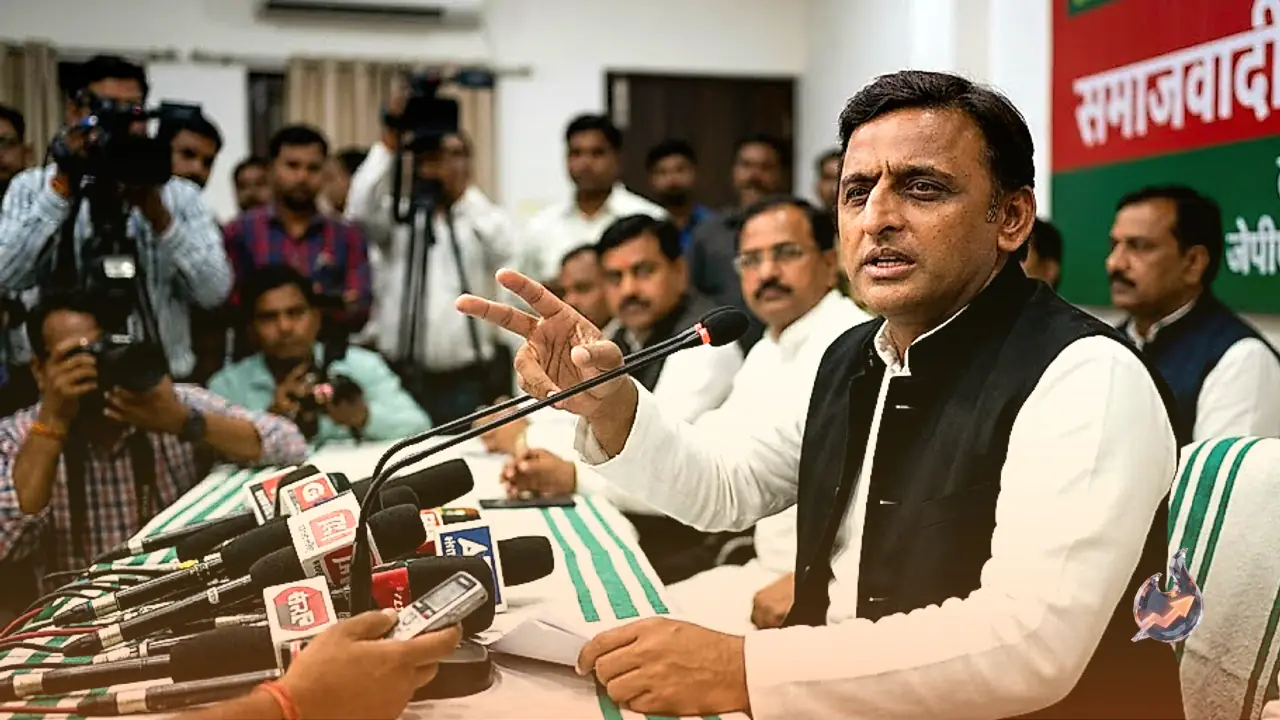
At a press briefing, BJP spokesperson Pradeep Bhandari released data tracking the social media activity of Congress leaders regarding the Pune program. According to the presented figures, out of 249 national office-bearers in the Congress party, only 113 shared posts related to the student event on X (formerly Twitter). The figures for Instagram were even lower, with only 48 of the 249 office-bearers sharing posts about the event on the platform. Furthermore, 83 national office-bearers did not post about the Pune program on any social media network.
The BJP spokesperson specifically highlighted the lack of public engagement from prominent CWC members and senior figures, including Manish Tewari, Charanjit Singh Channi, and Ajay Maken. The opposition party argued that in an era where political narratives are heavily shaped online, the silence of senior organizational leaders indicates a lack of internal backing for the event, characterizing it as a manufactured publicity exercise.
BJP Leverages Social Media Metrics to Question Youth Leadership
The opposition used the social media engagement figures to challenge Rahul Gandhi's positioning as a leader for GenZ. Pradeep Bhandari stated that when key members of the party's highest decision-making body refrain from sharing positive comments about the 'Goonj' event on their official handles, it reflects widespread internal skepticism. The BJP maintained that this breakdown in digital amplification demonstrates that senior leaders within the party are distancing themselves from his public outreach strategy.
Strategic Shift Toward OBC Politics and the Letter to PM Modi
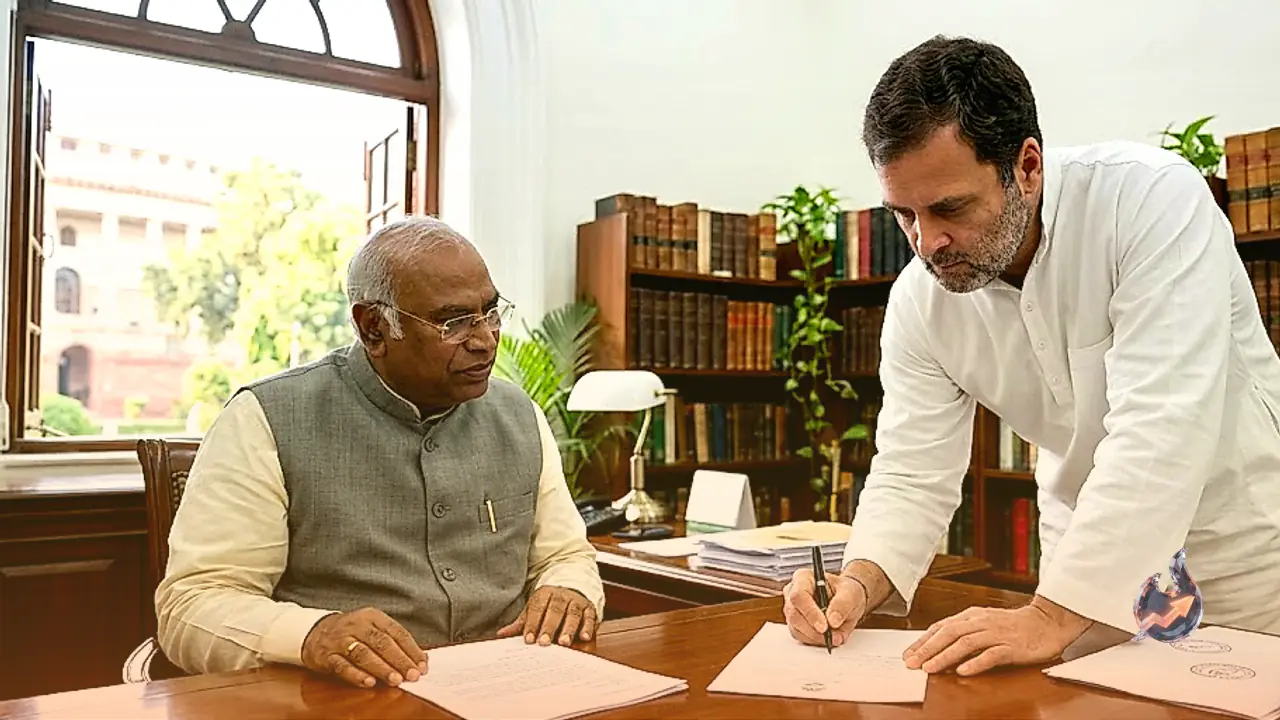
Amid the dispute over the student conference, Rahul Gandhi alongside Congress President Mallikarjun Kharge addressed a joint communication to Prime Minister Narendra Modi. The letter raises objections to the methodology planned for the upcoming national census, alleging that the central government's current framework will fail to accurately capture the country's Backward Classes population.
In the letter addressed to the Prime Minister, Rahul Gandhi criticized the reliance on open-ended questions during data collection. He argued that allowing respondents to write in caste names without standardized choices will yield unreliable results. Because individual castes are recognized under diverse localized names, sub-castes, and regional spellings across different states, an open-ended format risks splitting a single community into thousands of entries.
Technical Objections: Open-Ended Format versus Drop-Down Options
The letter stresses that recording unstandardized responses could produce millions of distinct entries nationwide, rendering the compiled census data practically unusable for policy formulation. Consequently, the true population share of OBCs would remain obscured. The Congress leaders also pointed out that the term 'backward class' itself is absent from the proposed census questionnaire layout.
To address these technical shortcomings, the Congress leadership proposed that the government withdraw the existing questionnaire and formulate a revised version after consulting relevant stakeholders. The recommended approach involves introducing a standardized drop-down list of recognized castes to eliminate duplicate or misspelled entries during data entry. Rahul Gandhi requested that the national census adopt the methodology used in recent state-level surveys in Bihar and Telangana, attaching copies of the caste classification lists from both states to the letter.
Advocating Regional Models Amid Past Contradictions
Congress leader Jairam Ramesh reiterated this stance, pointing out that as preliminary work for the 2027 national census gets underway, the administration should incorporate the structured methodologies used in the Bihar and Telangana surveys. He argued that utilizing established state frameworks is necessary to gather precise socio-economic data across India.
However, the recommendation has drawn attention to previous public statements made by Rahul Gandhi. Opponents pointed out that during a visit to Patna last year, Rahul Gandhi had publicly dismissed the Bihar caste survey, labeling it a fake survey intended to mislead the public while asserting his commitment to securing authentic demographic data. The contrast between his past criticism in Patna and his current advocacy for the Bihar survey model as a benchmark for the national census has sparked fresh political debate.