
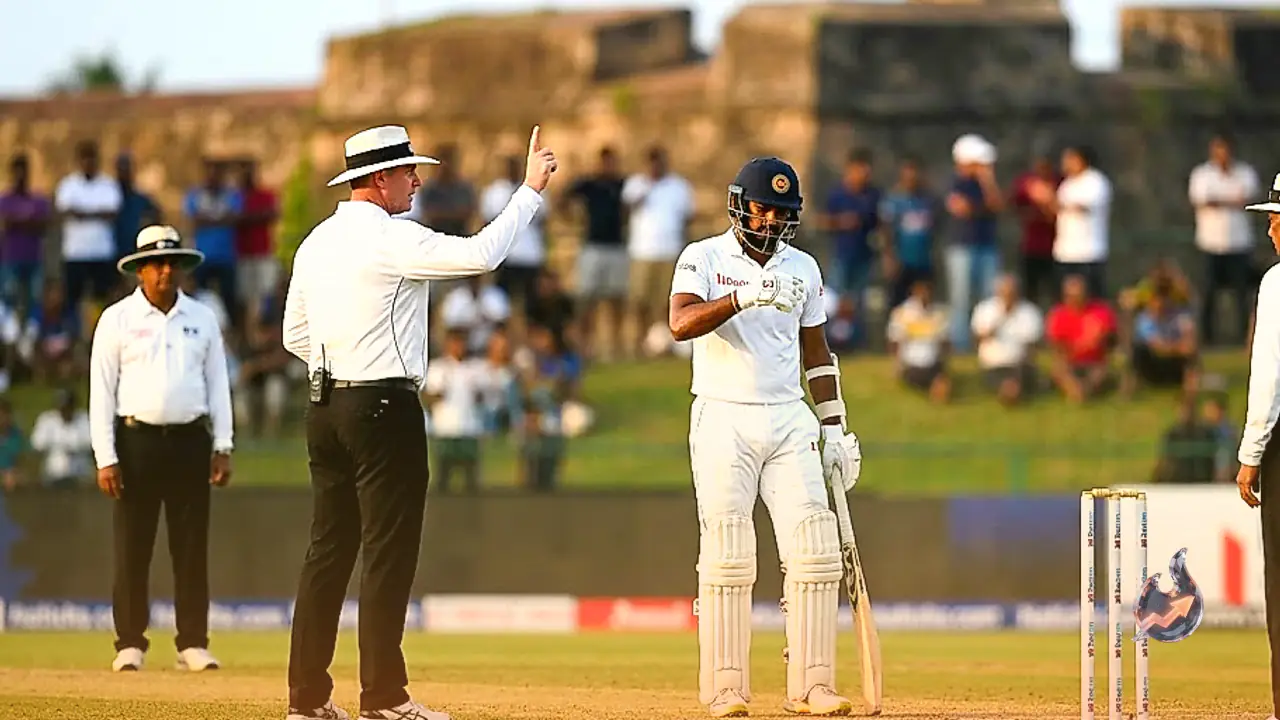




















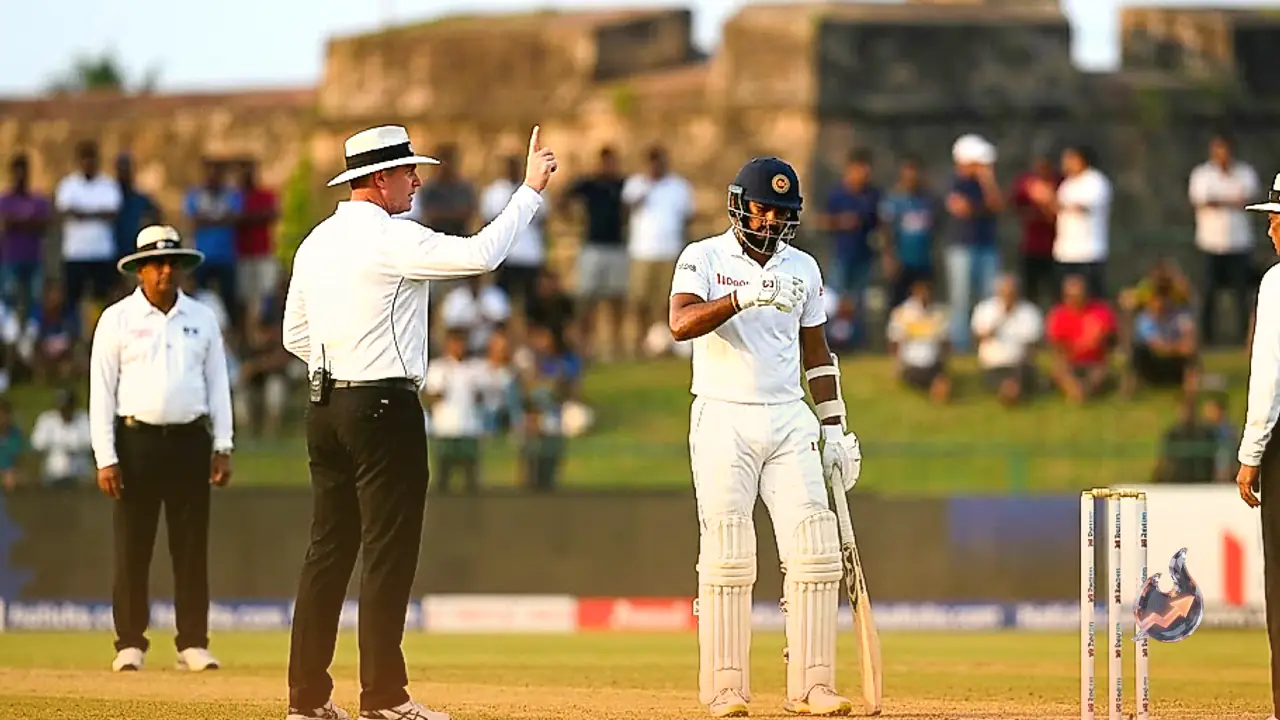

Cricket offers bowlers and fielding sides ten distinct avenues to claim a batter's wicket, with bowled, caught, and leg before wicket serving as the most familiar scenarios in standard play. Nearly all regular dismissals demand that the batter be at the crease actively engaging with the bowler, while run outs can extend vulnerability to the non-striker. Against this backdrop, the timed out regulation exists as cricket's most unusual and stringent rule, capable of sending a batter back to the pavilion without facing a single delivery, or even before establishing their stance at the crease.
Understanding the Timed Out Regulation and How It Functions
The timed out condition is triggered whenever an incoming batter fails to take their place in time following the fall of a wicket or the departure of a retired-hurt player. The game's regulations mandate that the arriving batter must arrive on the pitch and be fully ready to receive the next ball within a strictly allocated duration. If that preparation window elapses without the batter being ready to face the bowler, an appeal from the fielding team permits the on-field umpires to declare the batter out.
MCC Foundation Laws Compared to ICC Playing Conditions
The core custodian of cricket's statutes, the Marylebone Cricket Club (MCC), lays down specific timings under its formal Laws of Cricket. According to the MCC framework, an incoming batter must be ready to face the delivery within 3 minutes of a dismissal or retirement. Should the incoming player walk in at the non-striker's end, the onus remains on ensuring that the partner at the striker's end is prepared to receive the delivery within those same 3 minutes. Failure to meet this requirement results in the incoming player being timed out.
However, modern international fixtures diverge slightly from the original MCC wording. The International Cricket Council (ICC) enforces its own playing conditions across global tournaments and bilateral series, designed to accelerate the pace of play and eliminate avoidable downtime. Under ICC regulations, this allowance is trimmed down from 3 minutes to precisely 2 minutes. Consequently, international batters must be positioned and ready to engage with the next delivery within 120 seconds of a wicket falling.
Format-Specific Restrictions and the Diamond Duck Stat
The strictness of the clock varies depending on the specific match format. In Twenty20 Internationals, where rapid progression and entertainment dictate the schedule, players face the tightest window. An incoming T20 batter must enter the arena and be completely prepared to receive the ball within just 90 seconds. In the longer structures of the game, including One Day Internationals and Test matches, the standard ICC cutoff remains set at 2 minutes.
Whenever a batter falls victim to this regulation, statisticians register their departure as a 'diamond duck'. Within cricket parlance, a diamond duck describes any dismissal where a player departs for zero runs without having confronted a single legal delivery. Because a timed out dismissal completely bypasses the delivery phase, the batter inevitably records this specific statistical anomaly.
Angelo Mathews and International Cricket's First Occurrence
Throughout the extensive history of international competition, the timed out rule was never invoked at the top level until 6 November 2023. The breakthrough incident occurred during a World Cup group fixture between Sri Lanka and Bangladesh. In the 25th over of the Sri Lankan innings, following the dismissal of Sadeera Samarawickrama, experienced all-rounder Angelo Mathews stepped out to bat.
Mathews reached the middle inside the prescribed window, but as he prepared to settle into his stance, he discovered that the chin strap on his helmet had snapped. He promptly gestured to the dugout to request a replacement helmet, bringing the game to a brief halt. Noting the elapsed time and the delay in facing the delivery, Bangladesh captain Shakib Al Hasan seized the opportunity and lodged a formal timed out appeal with the umpires.
Despite earnest protests and explanations from Mathews alongside his Sri Lankan teammates, the match officials adhered to the letter of the playing conditions and upheld the appeal. As a result, Bangladesh secured a crucial wicket without a single ball being bowled, setting off worldwide debates across the sport.
Godfred Bakiweyem's Dismissal in T20 Internationals
Just weeks after the World Cup episode, the shorter format witnessed its own first timed out ruling. On 17 December 2023, during an Africa Cricket Association Cup Group B fixture between Ghana and Sierra Leone, Godfred Bakiweyem became the second international player, and the first in men's T20Is, to be dismissed under the law.
Chasing a target of 112 runs set by Sierra Leone, Ghana lost their sixth wicket when Bakiweyem failed to prepare for his first delivery within the requisite 90-second timeline. Despite the sudden loss of their batter without facing a delivery, Ghana rallied effectively and ultimately completed a two-wicket victory in the contest.
Ritshey Choden's Case in Women's International Cricket
The application of this strict rule has also reached women's international cricket. Bhutan's Ritshey Choden became the inaugural woman cricketer to be timed out at the international level. The decision came on 4 June 2026 in Malaysia during an ACC Women's Premier Cup T20 fixture against Nepal, where she was judged to have exceeded the permissible arrival timeline.
Test Match Cricket Remains Unbroken by Timed Out Decisions
Even though One Day Internationals and Twenty20 Internationals have now recorded instances of the timed out law, traditional Test cricket has never witnessed a batter being given out under this rule. The traditional rhythm and context of five-day cricket have so far avoided such appeals, leaving open the question of whether red-ball cricket will ever see a timed out dismissal in the future.