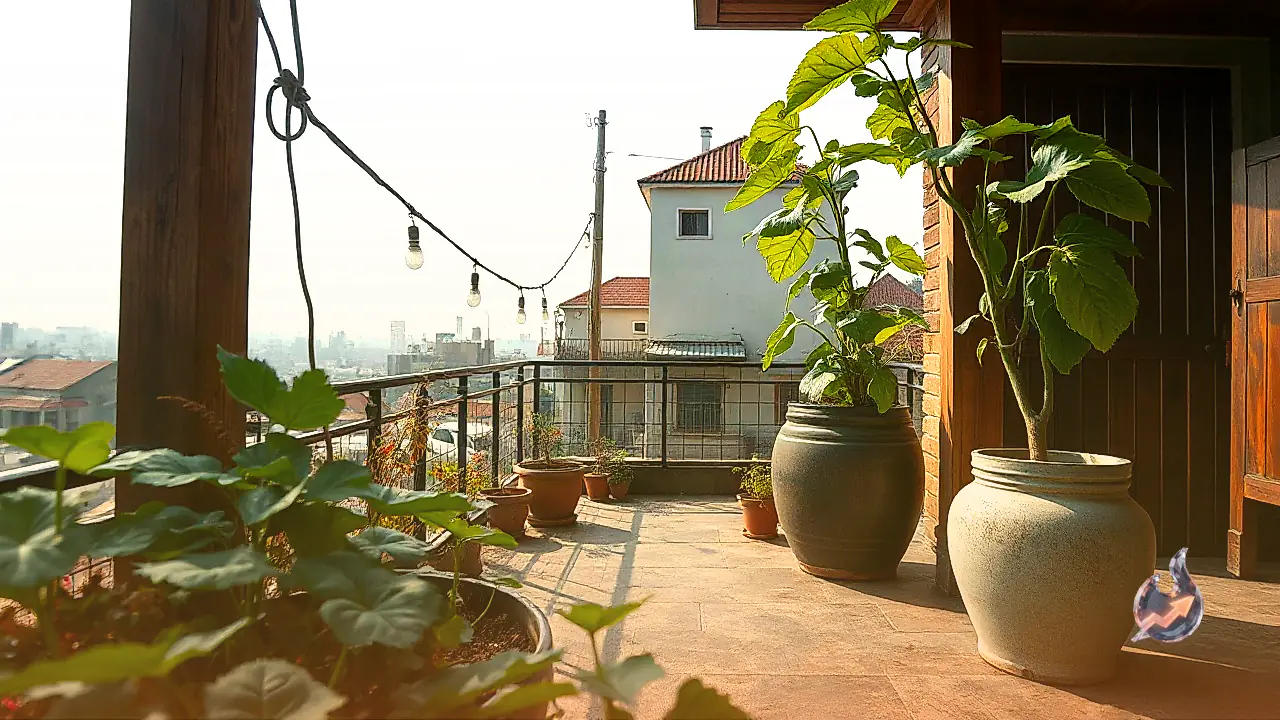























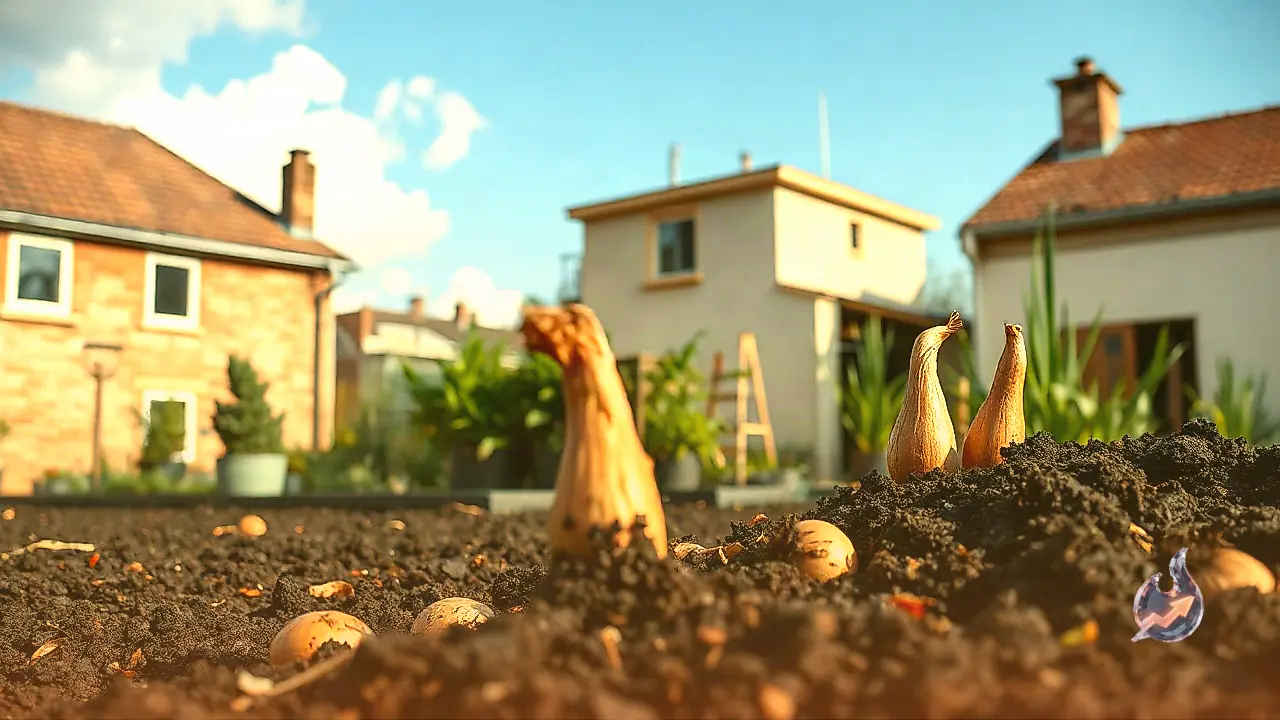

Onions are an indispensable staple in daily culinary routines, primarily celebrated for enhancing the aroma and flavor of savory dishes. In most households, peeling onions produces dry outer skins that are routinely discarded into the waste bin. For those maintaining balcony greens, potted ornamentals, or dedicated kitchen gardens, saving these dry remnants can offer practical horticultural value. With nothing more than dried onion skins and standard tap water, gardeners can formulate a nutritious liquid organic fertilizer at home without spending on commercial additives. Gardening expert Chandrashekhar Mishra notes that when applied in a disciplined manner and in measured proportions, this natural infusion can serve as a beneficial supplement for regular home garden maintenance.
Step-by-Step Preparation of Liquid Onion Fertilizer
Creating liquid organic plant food from onion scraps is an uncomplicated and low-maintenance DIY process. To begin, gather approximately two handfuls of completely dry onion skins. The outer coverings of either red or white onions work equally well, as there is no specific variety limitation. Place these dry skins into a clean glass jar or a durable plastic container, and pour in roughly one liter of fresh water to submerge the material fully.
After stirring the mixture thoroughly, seal the container and move it to a shaded spot protected from harsh, direct sunlight. The surrounding ambient temperature plays a significant role in steeping duration. During hot summer weather, leaving the mixture to infuse for around 48 hours is sufficient. In colder winter months, the steeping process slows down, requiring roughly 4 days for the nutrients to leach into the water. As the days pass, the liquid turns a pale pink or light reddish tint and emits a characteristic mild onion odor. Once the requisite time has elapsed, strain the mixture using a fine mesh. The collected liquid residue represents your concentrated plant supplement, which must be diluted before application.
Guidelines for Root Application and Soil Feeding
Concentrated onion extract should never be poured directly onto plant roots in excessive amounts. To protect the root architecture from stress, dilution with fresh water is mandatory. A reliable standard proportion is to combine one cup of the prepared onion liquid with one cup of clean tap water, ensuring a balanced 1:1 mixture.
Pour this diluted blend around the perimeter of the root zone, keeping it slightly away from the central stem. Excess volume should be avoided in a single application. The quantity applied must correspond carefully to the maturity of the plant, the overall volume of the container, and the current dryness of the potting soil.
Creating a Gentle Foliar Spray for Foliage
When the intention is to apply this nutrient solution directly to green foliage, leaves, and tender stems, the liquid must be diluted even further to avoid leaf burn. For foliar spraying, mix one part of the concentrated onion liquid with three parts of plain water. Transfer this weakened mixture into a hand-pump spray bottle and lightly mist the leaves.
Before treating an entire plant, practical precautions are advisable. Mist a small test patch comprising one or two leaves and observe them over the following hours. Should any signs of leaf discoloration, spotting, or adverse reactions emerge, immediately halt further spraying on that specimen.
Utilizing Dry Skins for Summer Soil Mulching
The practical utility of onion skins extends beyond liquid brewing. Completely dry skins can serve as an effective top dressing for garden soil through the practice of mulching. Particularly in hot summer climates when potted soil loses moisture rapidly, dry onion skins can be blended with shredded coconut coir or other dry organic garden debris and spread across the surface of the potting mix in a light layer.
This organic layer helps shade the topsoil, moderating surface temperature and slowing down moisture evaporation, while breaking down gradually to integrate organic matter into the growing medium. Nevertheless, this home-brewed onion solution should not be treated as a medicinal cure for plant infections or as an indispensable single-source fertilizer for every species. Observing plant response, seasonal variations, and soil needs remains the best guide for moderate, balanced use.