























Following the high-scoring opening match of the five-match T20 series between India and New Zealand, visiting all-rounder Glenn Phillips addressed the media to discuss the outcome. India successfully chased down a massive target of 226 runs driven by an aggressive and adaptable batting display. In the post-match press conference, Phillips praised the opposition's approach while also defending his own side's execution and pushing back against media assessments regarding missed fielding opportunities during the encounter.
Tactical planning and execution on the field
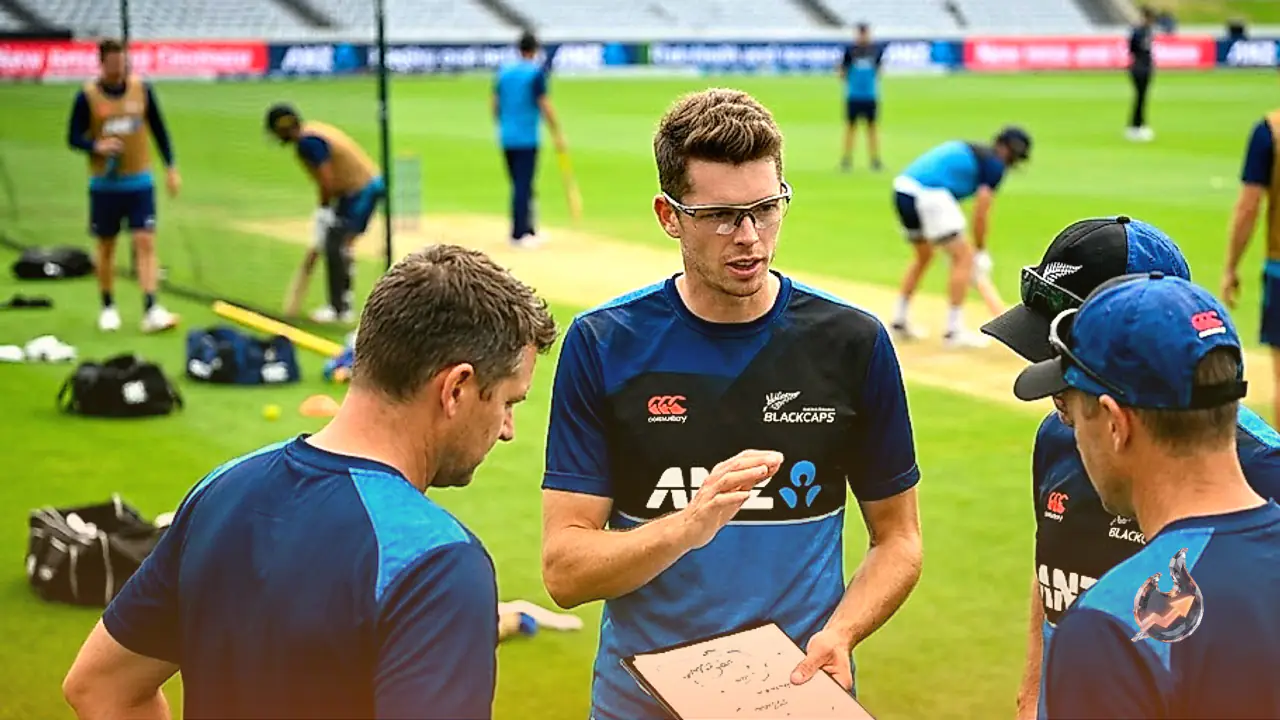
Ahead of the fixture, the touring side had mapped out detailed strategies to contain the Indian batting lineup. Phillips emphasized that there were no shortcomings in their preparation, noting that every possible tactical option was evaluated beforehand. However, he acknowledged that formulating a plan is only part of the equation, as implementing those strategies effectively on the field remains the ultimate test. The manner in which India chased down the target demonstrated that they had successfully neutralized every defensive option thrown their way.
Pitch adaptation and the middle-over phase
Having scored an unbeaten 82 runs for his team, Phillips highlighted how quickly the Indian batters adjusted to the pitch and local conditions. Comparing surfaces, he noted that New Zealand pitches generally favor batsmen and offer slightly more bounce, yet the visiting batters adapted to the local environment with remarkable speed. Analyzing the turning points of the match, he conceded that the bowling unit missed an opportunity to exert pressure during the middle overs. Securing a couple of additional wickets or bowling a string of dot pells during that phase could have altered the trajectory of the game, as defending a target of 226 requires sustained pressure.
Addressing the controversy over missed chances
When questioned by a journalist about the impact of dropped catches during the Indian innings, Phillips challenged the premise of the question by asking for specifics regarding the claimed four dropped opportunities. He clarified that in several instances cited as missed catches, the fielders had barely touched the ball. While acknowledging that chances involving Daryl Mitchell and Finn Allen did not go to plan, he argued that remaining instances could not fairly be labeled as dropped catches since actual hand contact is a prerequisite. He concluded by noting that while catching and dropping are natural parts of the game, accurate counting and fair assessment of such moments are essential.