






















Indian cricket history features numerous unforgettable evenings that permanently alter a player's trajectory. While some moments create eternal glory, others inflict wounds that deeply shatter an athlete's confidence. Fast bowler Ishant Sharma experienced a similar chapter that completely transformed both his professional career and personal outlook.
Recalling that difficult phase during a media interaction, Ishant Sharma noted that the incident took place in 2013 during a thrilling encounter between India and Australia. The match was deep into its closing stages, and the Indian side appeared firmly on course for victory. Australia required 44 runs from the final three overs to secure a win, creating immense pressure on the field. The captain handed the ball to Ishant Sharma, trusting him to close out the contest.
Fate, however, had entirely different plans that night. Australian batter James Faulkner stood on strike. As Ishant began his spell, Faulkner launched a ferocious assault, hammering 30 runs off that single over. The match that India looked set to win slipped away instantly, and the entirety of the blame for the defeat fell squarely on Ishant Sharma's shoulders.
This loss marked the darkest and most painful day of his professional journey. Following the conclusion of the match, he felt completely broken, believing his singular error had washed away the nation's expectations and the team's hard work. Consequently, Ishant fell into a deep depression, with his passion for cricket turning into a source of severe mental distress. He shut himself inside a room and wept continuously for 15 days, replaying that specific over and Faulkner's boundaries in his mind.
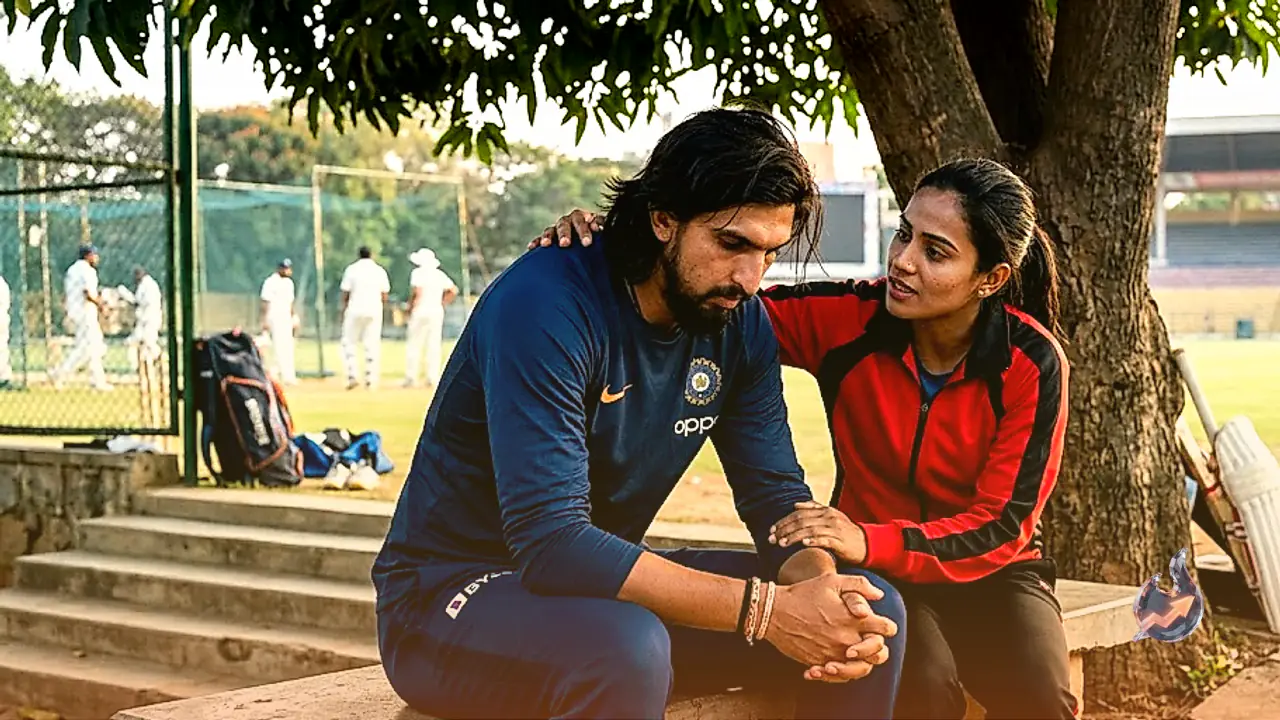
Amidst this profound darkness, his then-fiancee and present wife, Pratima Singh, emerged as a beacon of hope. As an athlete herself, Pratima thoroughly understood the pressures and anguish associated with sports. Instead of letting him mourn in isolation, she gave him the courage to face reality. Pratima provided blunt perspective that shifted his entire mindset, telling him not to let cricket consume his entire existence and urging him to choose between wallowing in self-pity or working hard enough to dwarf that single defeat.
This stern yet vital advice revived Ishant's dormant self-belief. He stopped crying, addressed his bowling shortcomings, refined his length and swing, and strengthened his mental resilience. The intense training paid off as he staged a triumphant return with renewed vigor, eventually overcoming that rough patch to trouble elite batters worldwide and cement his legacy among the select group of fast bowlers to play over 100 Test matches for India.