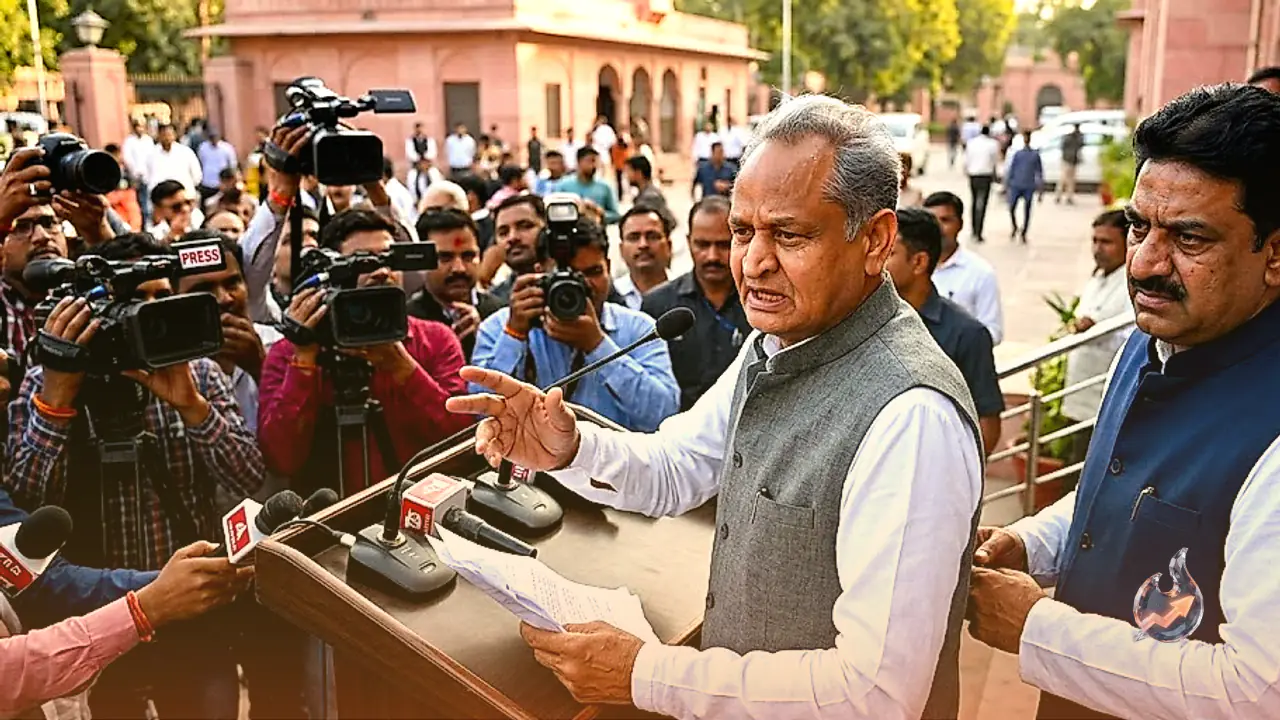























India's semiconductor sector is shifting its primary focus from laying foundational infrastructure to scaling up large-scale industrial development across the country. Speaking at SEMICON India 2026, Union Electronics and IT Minister Ashwini Vaishnaw announced that the nation's semiconductor ecosystem has officially entered its next phase of growth. He revealed that a total of five semiconductor manufacturing plants have already commenced active commercial production operations.
Six Pillars Of India Semiconductor Mission 2.0
According to the IT minister, the framework under India Semiconductor Mission 2.0 will advance the broader ecosystem across six critical domains. These specific areas include chip design, advanced materials and specialized machinery, increased fab setups, additional ATMP units, research and development, and specialized talent acquisition. Vaishnaw emphasized that design capabilities developed through the nation's robust IT industry and global capability centers are now actively contributing to the semiconductor sector as well. Under the upgraded mission, the government has set a clear target to foster approximately 200 domestic chip design companies.
Venture Capital Support For Chip Design Startups
During the implementation of ISM 1.0, major emphasis was placed on supplying expensive Electronic Design Automation tools to emerging chip design startups. More than 105 chip design startups have successfully gained access to these industry-grade tools, while 20 startups have managed to secure crucial venture capital funding. Addressing the skilling initiatives surrounding semiconductor design, the minister noted that nearly 70,000 design engineers have received specialized training over the past four years, moving close to the initial target of training 85,000 design engineers.
Nurturing Talent Across Four Hundred Engineering Colleges
The Union Minister highlighted that students across roughly 400 engineering colleges in the country, including institutions situated in smaller towns, have been granted access to industry-grade electronic design automation tools. Students are being given practical opportunities to take their unique designs all the way to tape-out and successfully convert them into functional commercial products. Under ISM 2.0, the overall scope of skilling will no longer remain strictly restricted to chip design, as the program will expand its core focus toward comprehensive system design.
Expanding Manufacturing Capacity In MSME Sector
The continuous expansion of electronics manufacturing has successfully fostered targeted manufacturing capabilities domestically, particularly within the micro, small, and medium enterprises sector. This growing capacity is currently being utilized across vital fields such as electronics, mobile device manufacturing, aerospace, aviation, defense, and semiconductors. Moving forward, heightened emphasis will be placed on scaling up applied research and development within manufacturing plants to enhance product quality and refine production workflows. Concurrently, specialized skill training models are being formulated across multiple tiers to achieve precision manufacturing standards.
Surging Demand For Cleanroom Technicians And AI Servers
Vaishnaw pointed out that the modern semiconductor industry is witnessing a rapid surge in demand for qualified cleanroom technicians and dedicated maintenance personnel. While the target under ISM 2.0 is to train one hundred thousand technicians, the minister acknowledged that this goal may need upward revision based on evolving industry requirements. He noted that electronics, semiconductors, and artificial intelligence are deeply interconnected fields. An indigenous ecosystem for AI server manufacturing is also actively developing within India, with multiple prominent server manufacturers showing strong interest in initiating local production. Vaishnaw added that a complete ecosystem ranging from basic components to finished items like laptops, servers, and accessories is gradually falling into place, which will ultimately stabilize long-term industry growth.
Paving The Way For Made-In-India Chips
Concluding his address, Vaishnaw stated that India is steadily progressing toward becoming a prominent product nation. Several indigenous chips developed within the country are already being deployed in strategic sectors, while others are being exported to international markets. He shared that ATMP units are currently fulfilling exports to Japan, and chips designed and developed in India are finding applications in products shipped to advanced nations such as Switzerland and Germany. The minister expressed strong optimism that as the broader semiconductor initiative progresses, the volume of Made-In-India and Design-In-India chips will experience exponential growth.