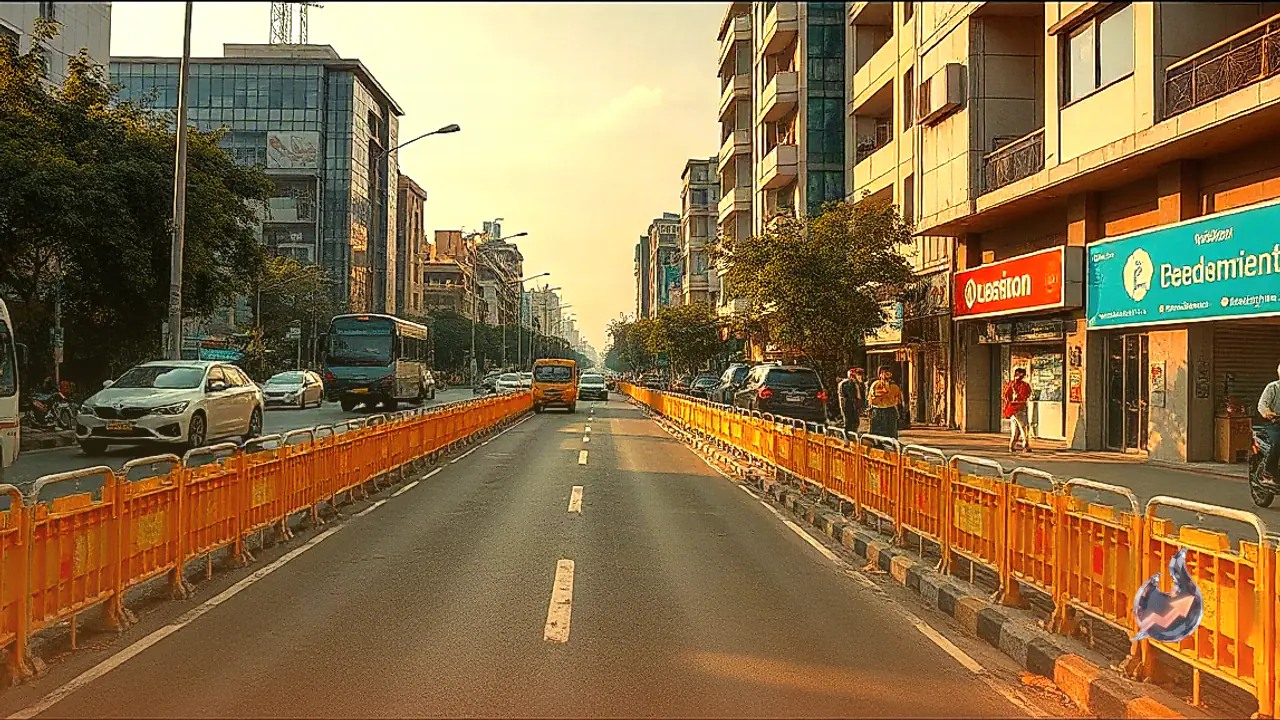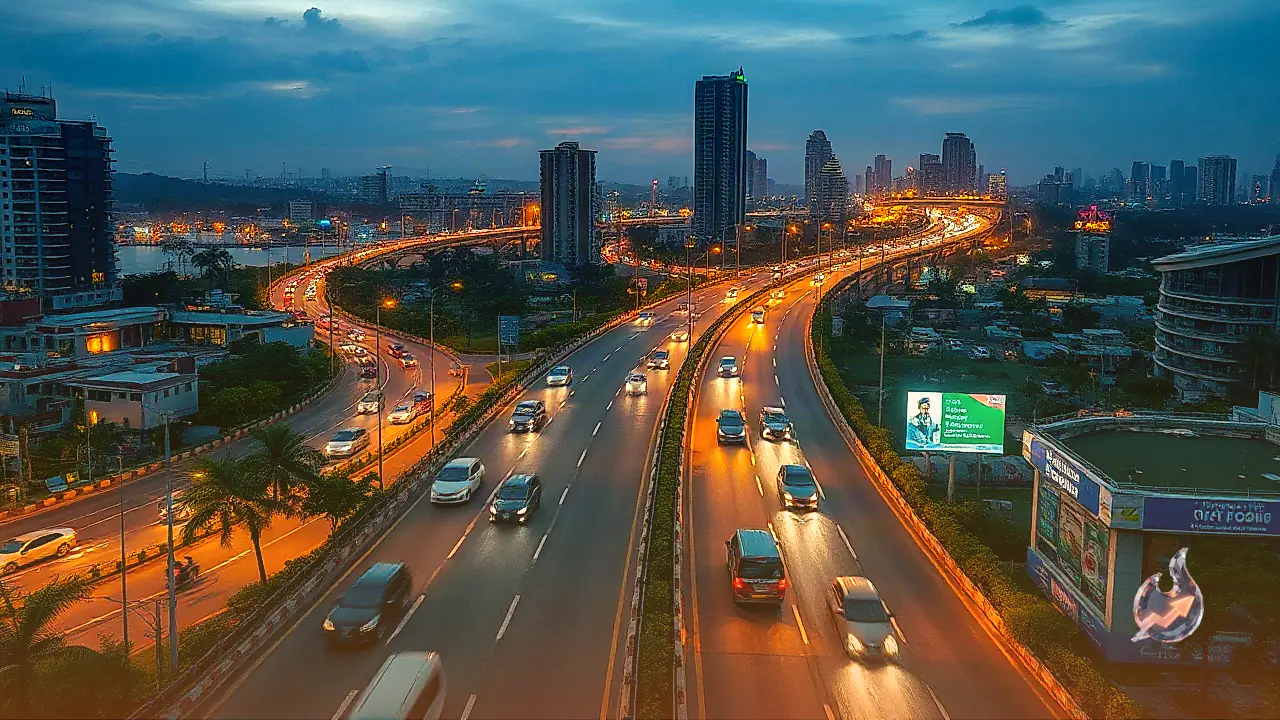



















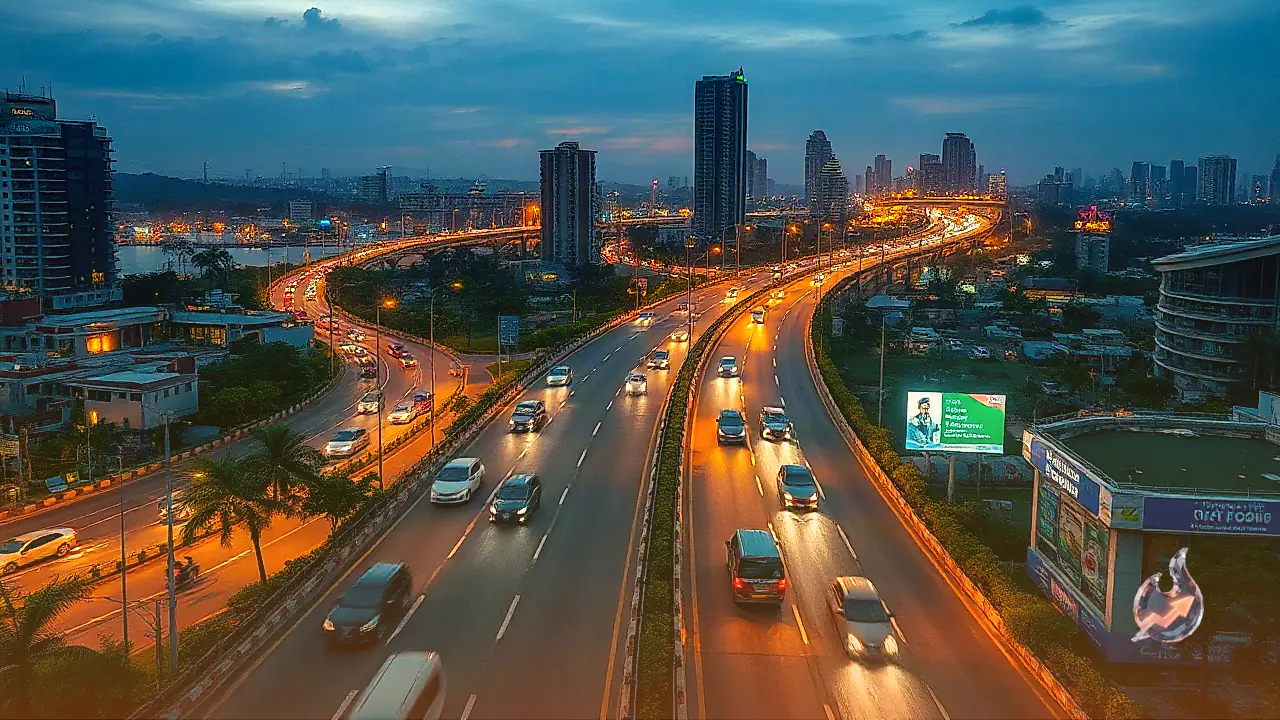

Spanning approximately 94.6 kilometers from Kalamboli in Navi Mumbai to Kivale in Pune, this major expressway was first opened to traffic in 2002. Originally engineered to handle traffic demands for a span of thirty years, the route has experienced such an exponential surge in vehicular movement that plans are now underway to expand its width to ten lanes. Currently operating as a six-lane highway, heavy congestion frequently plagues the route, leaving motorists stranded in traffic jams lasting up to two hours. Bottlenecks are particularly common around scenic and hilly stretches near Lonavala and Khandala.
Surpassing Original Traffic Capacities
When the Mumbai-Pune Expressway was constructed, it was projected to accommodate roughly 40,000 to 45,000 vehicles each day. However, current operational realities see an estimated 1.5 lakh vehicles traversing the route daily, with weekend volumes surging past 3 lakh vehicles. Union Minister Nitin Gadkari has highlighted that despite bearing this punishing volume of heavy traffic, the entire corridor remains completely free of potholes. The infrastructure project incurred an initial construction cost of 1,630 billion rupees and was executed by the Maharashtra State Road Development Corporation.
Toll Structures and Speed Regulations
Motorists navigating the Mumbai-Pune Expressway pass through two primary toll plazas along the six-lane divided highway. The corridor bridges the two metropolitan hubs in just two hours of travel time. Passenger cars are charged a toll of 250 rupees, while multi-axle trailers face a significantly higher toll rate of 1,750 rupees. Speed regulations on the route cap standard vehicular speed at 100 kilometers per hour, which drops to 60 kilometers per hour along winding ghat sections. Similarly, heavy vehicles are restricted to 80 kilometers per hour on open stretches and 40 kilometers per hour through the ghats.
High Toll Collections and Revenue Generation
Ranking as the country's most expensive expressway in terms of toll charges, motorists pay approximately 3.80 rupees per kilometer traveled. This translates to a daily toll collection of roughly 5.5 crore rupees, culminating in a monthly revenue pool of around 167 crore rupees. Annually, the expressway generates over 2,000 crore rupees in toll revenue, meaning the total construction cost of the highway is recovered multiple times over every single year.
Expansion Plans and Construction Hurdles
To cope with escalating traffic pressures, authorities have initiated preparations to widen the Mumbai-Pune expressway to ten lanes by 2030. The Maharashtra State Road Development Corporation has shouldered the responsibility for this widening project, with actual construction work already underway. Two additional lanes will be added to both sides of the existing corridor. Officials note that the primary hurdle in this expansion is maintaining an open flow of traffic during construction, as completely shutting down India's busiest highway is unfeasible. These operational challenges are further compounded by overhead bridges, underpasses, and landslide risks during the monsoon season.
Tunnels Engineering in the Western Ghats
The route features approximately four tunnels with a combined length of around six kilometers, situated entirely within the demanding ghat terrain. Among these, the Bhatan Tunnel stands out as the longest. Other vital bores include the Kamshet Tunnel, Madap Tunnel, and Adoshi Tunnel. These engineering feats through the Western Ghats bypass treacherous mountain roads, rendering what was once a perilous passage into a smooth and efficient transit corridor.
The Missing Link Project and Time Savings
A supplementary missing link project was launched in May 2026 to further alleviate congestion along the Mumbai-Pune expressway. Spanning 13.3 kilometers, this bypass was engineered specifically to ease heavy commercial and passenger traffic passing through the Khandala Ghat section. The alignment incorporates two major tunnels, including a shorter 1.6-kilometer bore and a massive 8.9-kilometer tunnel constructed directly beneath Lonavala Lake. This engineering intervention reduces the overall travel distance between Mumbai and Pune by approximately six kilometers while shaving 25 minutes off the journey.