






















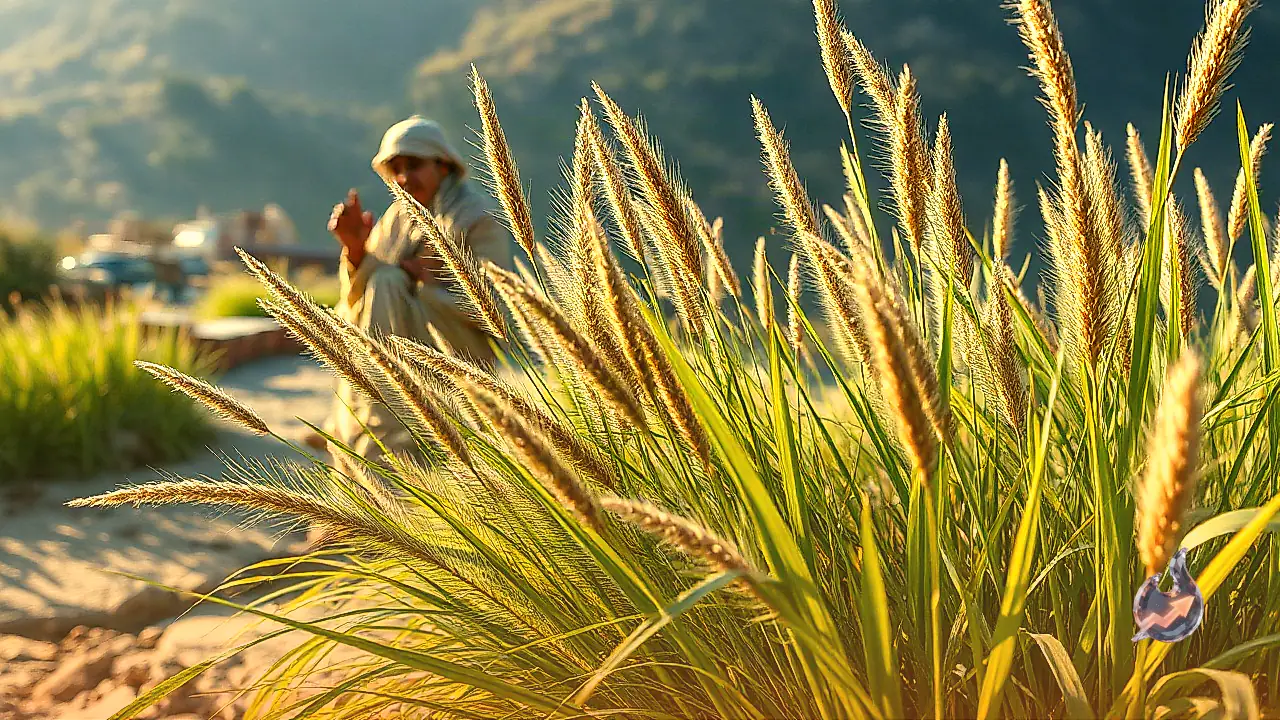

Natural grass growing in the hilly regions of Uttarakhand holds a special place in Indian culture and religious traditions. Commonly known as kusha or kusha grass, it is easily recognized by its long, rigid, and sharp leaves. Found in fields, open spaces, and natural terrains across rural areas, kusha is considered distinct from ordinary grass due to its profound religious significance.
Pandit Kailash Upadhyay from Bageshwar explains that sanatan dharma regards kusha as a sacred vegetation, routinely utilized during worship and religious ceremonies. It is frequently included among essential prayer items. Utilizing natural elements in sacred duties symbolizes the fundamental bond connecting nature and human life, a tradition passed down through generations.
Wearing a ring crafted from kusha during religious rites is a common practice across numerous Hindu rituals. Often called pavitri or the kusha ring, its use is mandated during solemn vows, tarpan, shraddha rites, and general worship. Tradition holds that wearing this ring preserves ritual purity and mental concentration. The ring is typically fashioned by bending and weaving kusha stems in a specific manner.
Vedic rituals, fire sacrifices, and daily prayers frequently incorporate kusha grass. In many religious gatherings, it is spread out to serve as a sacred seat. Additionally, it helps arrange worship materials and assists in specialized spiritual activities. Because it is an entirely natural and pure material, kusha creates an appropriate environment for worship. Many families in the hills continue to use locally sourced kusha for their traditional rituals today.
Shraddha and tarpan ceremonies attach exceptional importance to kusha grass. Hindu scriptures mandate its use throughout tarpan rites, treating it as an indispensable element of the procedure. Numerous households secure kusha ahead of pitru paksha and employ it according to strict traditional guidelines. Religious belief views kusha as a symbol of purity and devotion, with these practices aiming to express gratitude and respect toward ancestors.
Traditional ayurvedic and folk medical traditions also reference kusha grass. Certain customs classify it as a cooling botanical agent. Rural communities have long integrated local vegetation into traditional and household remedies. Ayurvedic texts mention various parts of the kusha plant, though any medicinal benefit strictly depends on proper identification, correct dosage, and preparation methods.
Folk medicine has historically applied kusha grass to soothe internal heat and alleviate urinary discomfort. However, these traditional uses cannot replace modern medical treatment. Anyone experiencing burning sensations, urinary difficulties, or other health issues must consult a qualified doctor.
Kusha grass extends beyond religious applications, forming an integral part of Indian folk culture and natural heritage. Mountainous regions like Uttarakhand maintain a deep connection between local lifestyles and such traditional vegetation. Amid changing lifestyles and diminishing natural resources, passing knowledge of these plants to the younger generation remains crucial. Understanding the religious and cultural value of kusha helps protect local heritage.