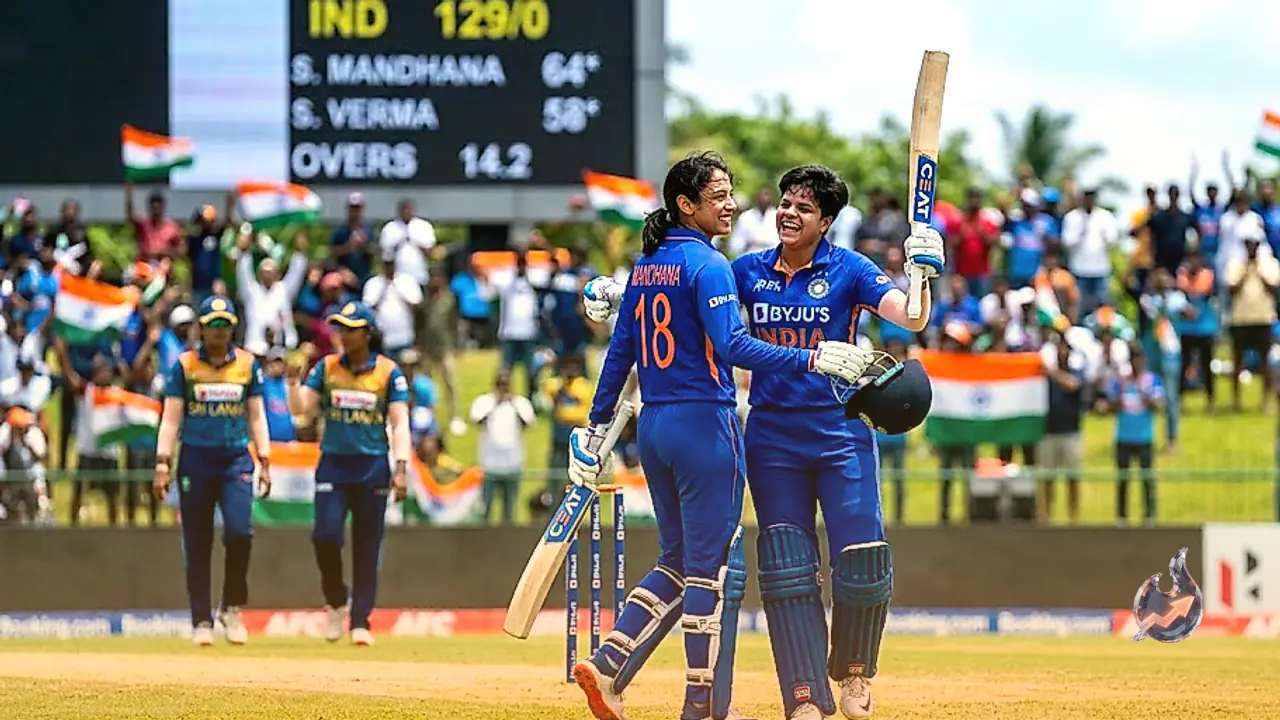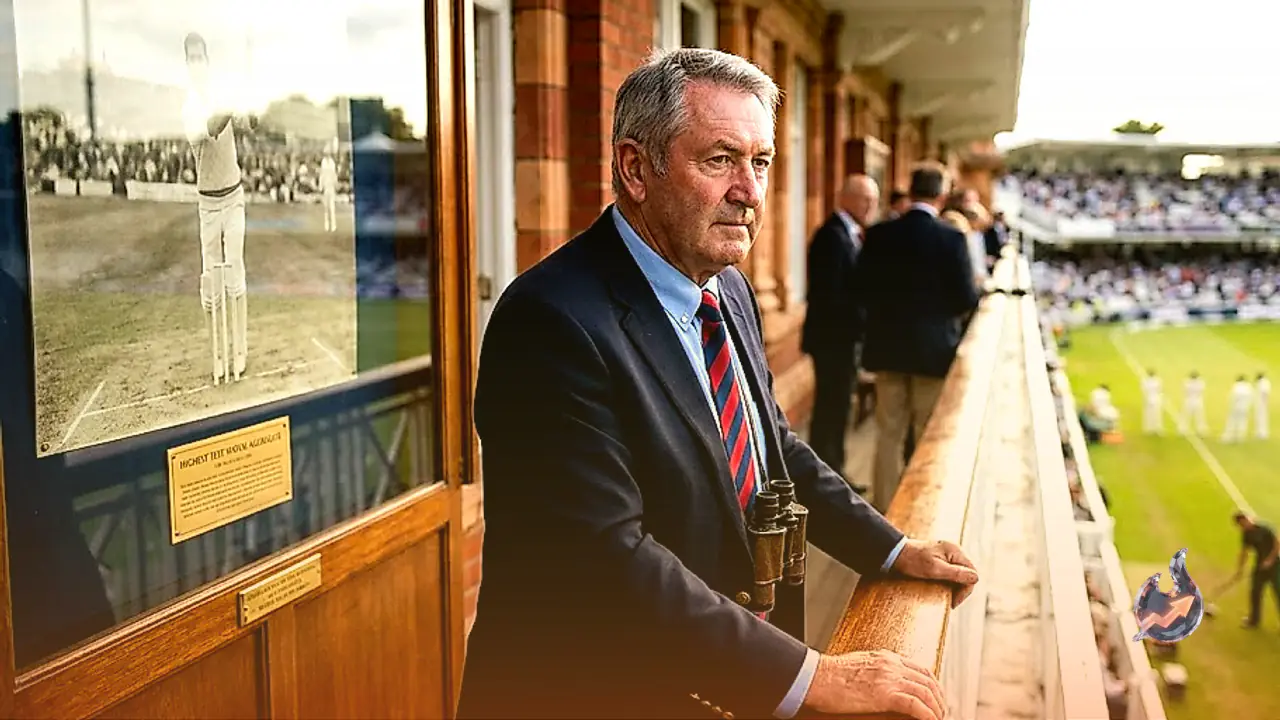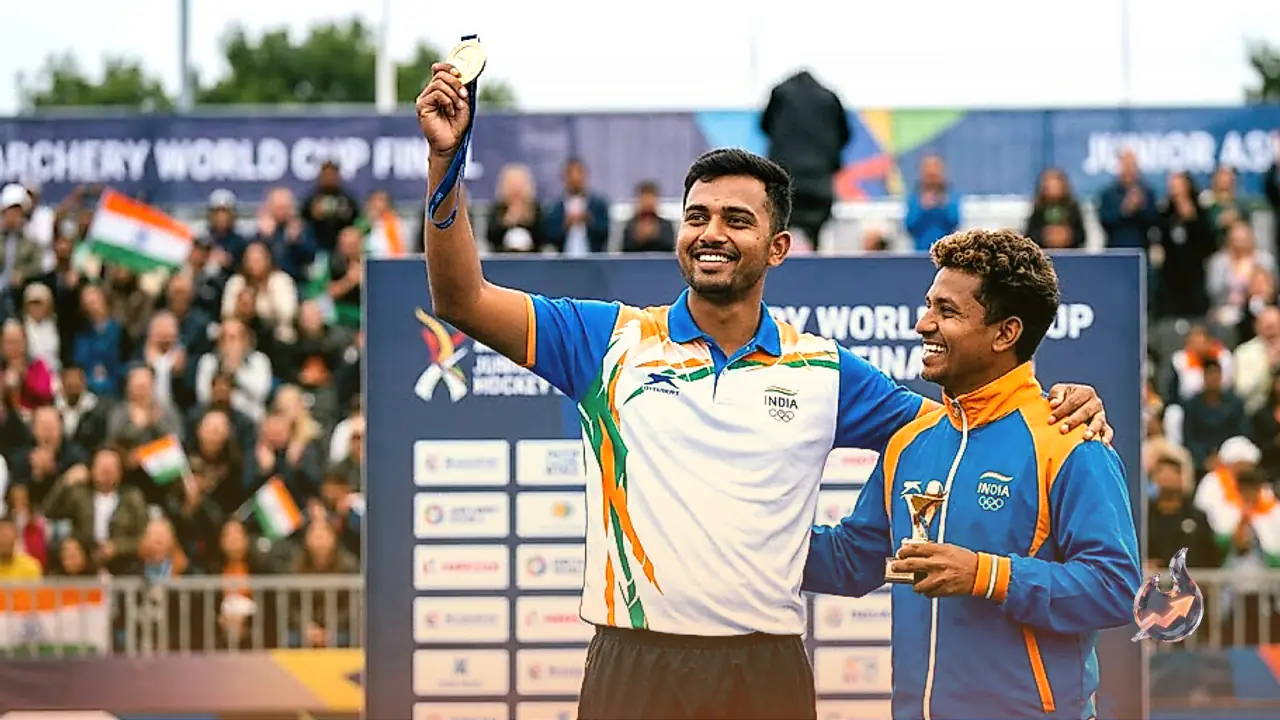






















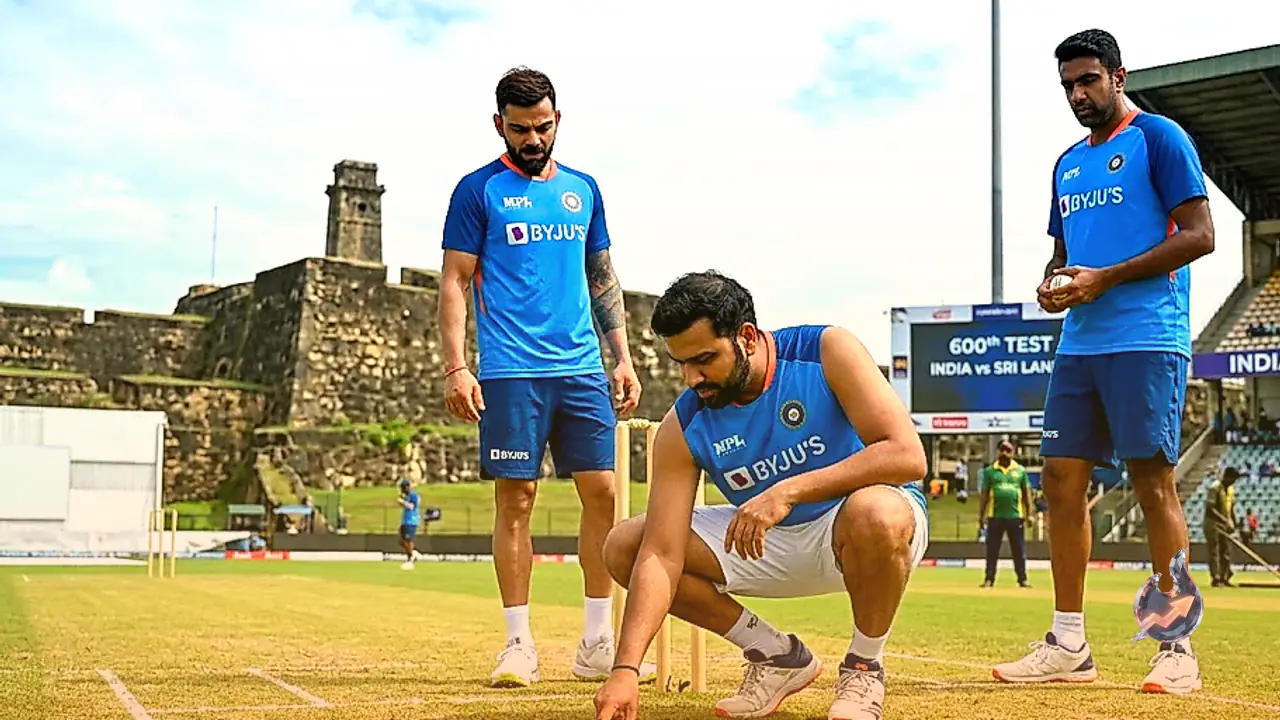

When the Indian cricket team steps onto the turf at the Galle International Stadium in Sri Lanka for their upcoming red-ball fixture, a grand new chapter in international sports history will be written. This match is far more than a standard fixture on the calendar; it represents the culmination of a 94-year journey that originally began back in 1932. As the team takes the field, India will officially become only the third nation in the history of the sport to compete in 600 Test matches. Nearly nine decades of persistence, tactical transformation, and relentless ambition have built a cricketing legacy that stands tall on the global stage, making the venue at Galle a historic backdrop for this monumental milestone.
Asia's Pioneer in the 600-Test Elite Club
Reaching the 600th Test milestone is an achievement reserved for only the most enduring teams in the sport. By entering this match, India becomes the very first nation from the Asian continent to accomplish this landmark feat in the longest and most demanding format of the game. Across the worldwide cricketing landscape, only two other nations have previously reached this numerical benchmark. England leads the overall historical standings with a staggering 1097 Test matches played, followed by Australia with 882 Test appearances. India joining this exclusive club underscores the nation's consistent presence and evolving supremacy in international cricket over generations.
From CK Nayudu to Shubman Gill: Evolution of 38 Captains
The foundation of this 600-Test journey was laid back in 1932, when India played its first official Test match under the leadership of CK Nayudu. Over the subsequent 94 years, a total of 38 distinct captains have taken charge of the Indian Test squad, with each leader leaving an indelible mark on the team's identity. Mansoor Ali Khan Pataudi instilled a bold mindset that convinced the side they could win on foreign soil. In the 1980s, the legendary Kapil Dev reshaped the team's dynamic, driving a new era of competitiveness and belief across the cricketing world.
The home dominance of the Indian team was firmly established under Mohammad Azharuddin, who transformed domestic venues into fortresses. Later, Sourav Ganguly injected a fierce aggression and an unwavering refusal to bow down during overseas tours. MS Dhoni brought a calm, strategic vision that elevated India to the top of the official Test rankings for the first time. Following him, Virat Kohli spearheaded a golden era of fast bowling that allowed India to claim victories in every corner of the globe. As Team India enters the field at Galle for its 600th Test match, this rich legacy rests in the hands of young captain Shubman Gill, whose name will forever be linked to this historic occasion.
The Statistical Odyssey of 599 Test Matches
The statistical ledger of India's 599 Test matches to date reflects a dramatic story of initial struggles followed by an extraordinary rise to global prominence. Across these 599 matches, India has recorded 186 victories against 188 defeats, with the remaining 225 matches ending in draws or no-results. This yields an overall Test victory rate of 31.13 percent. These figures chronicle how a team that endured long periods of difficulty in its formative decades gradually adapted its technical standards, fitness, and tactical approach to emerge as a dominant force in modern international cricket.
Shubman Gill's Leadership and India's Dominance Over Sri Lanka
Heading into this benchmark fixture, Team India carries strong momentum under the stewardship of captain Shubman Gill. In his 9 Test matches leading the national side so far, Gill has recorded 5 victories and suffered just 3 defeats, reflecting a positive trajectory under young leadership. Furthermore, India boasts an exceptionally strong recent head-to-head record against Sri Lanka, remaining undefeated across their last 6 Test encounters. This proven success in Sri Lankan conditions further enhances India's confidence as they prepare to transform their 600th Test match at Galle into a memorable victory celebrating nearly a century of cricketing excellence.