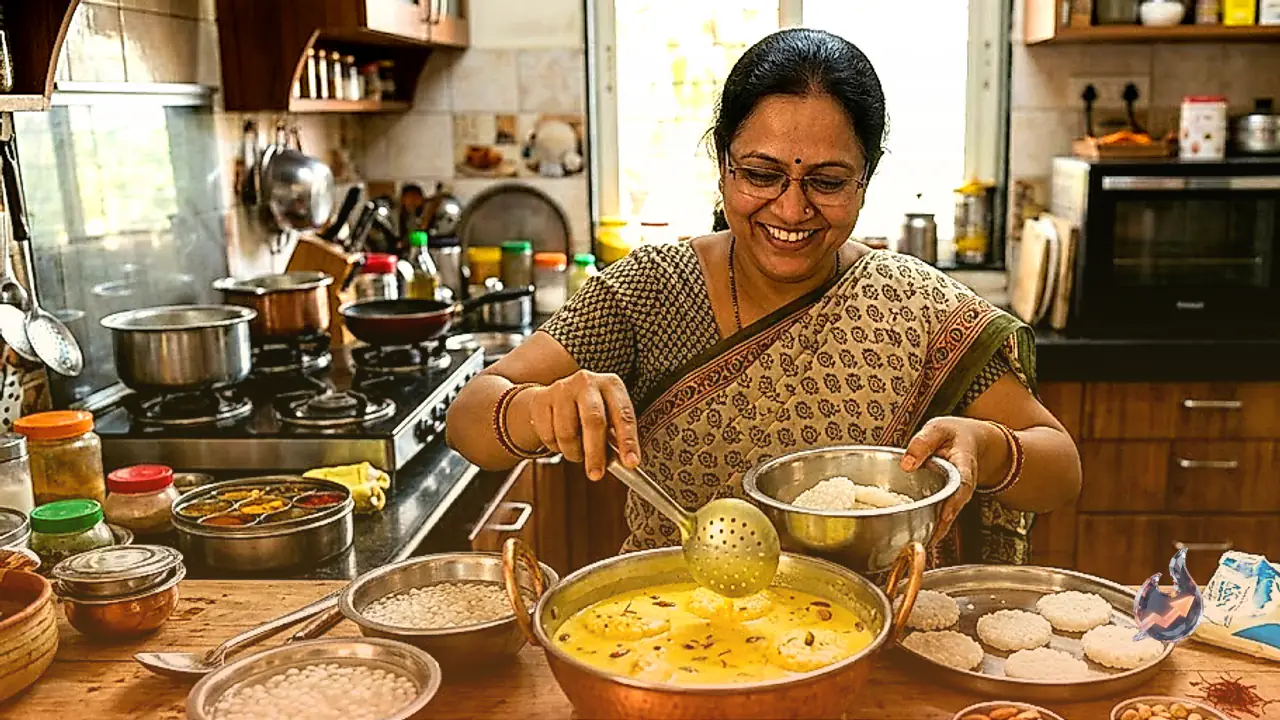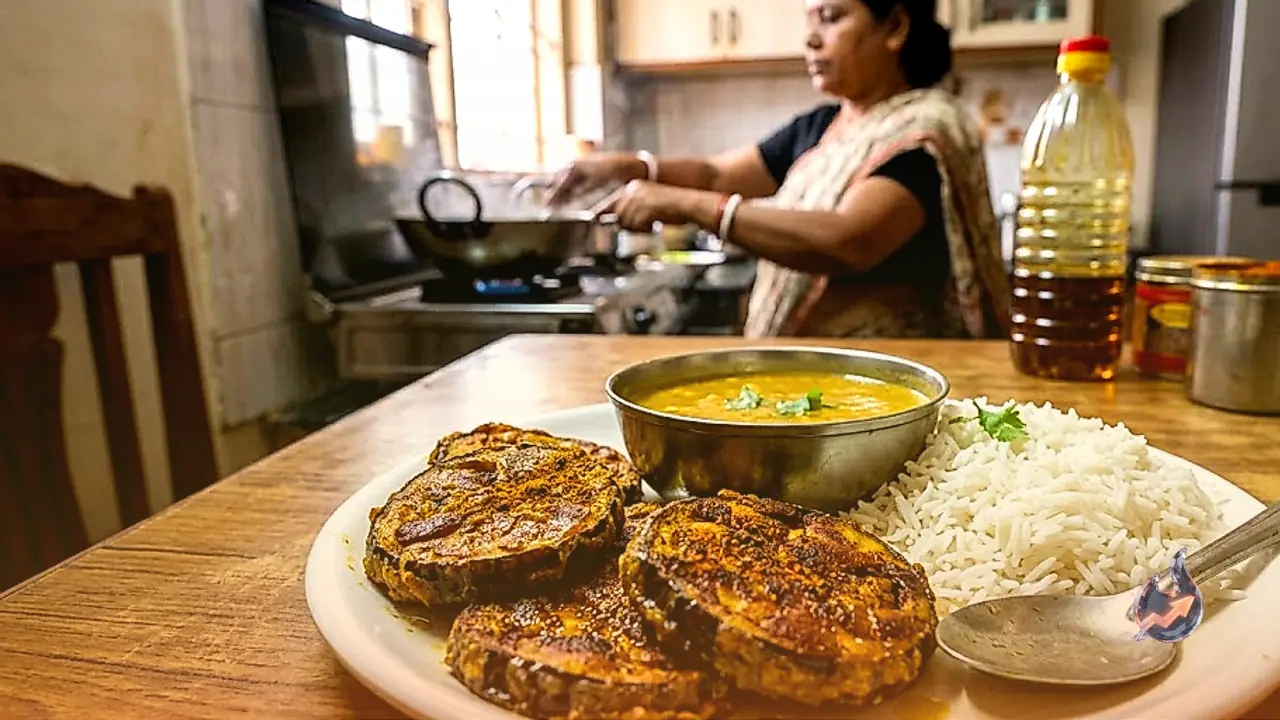





















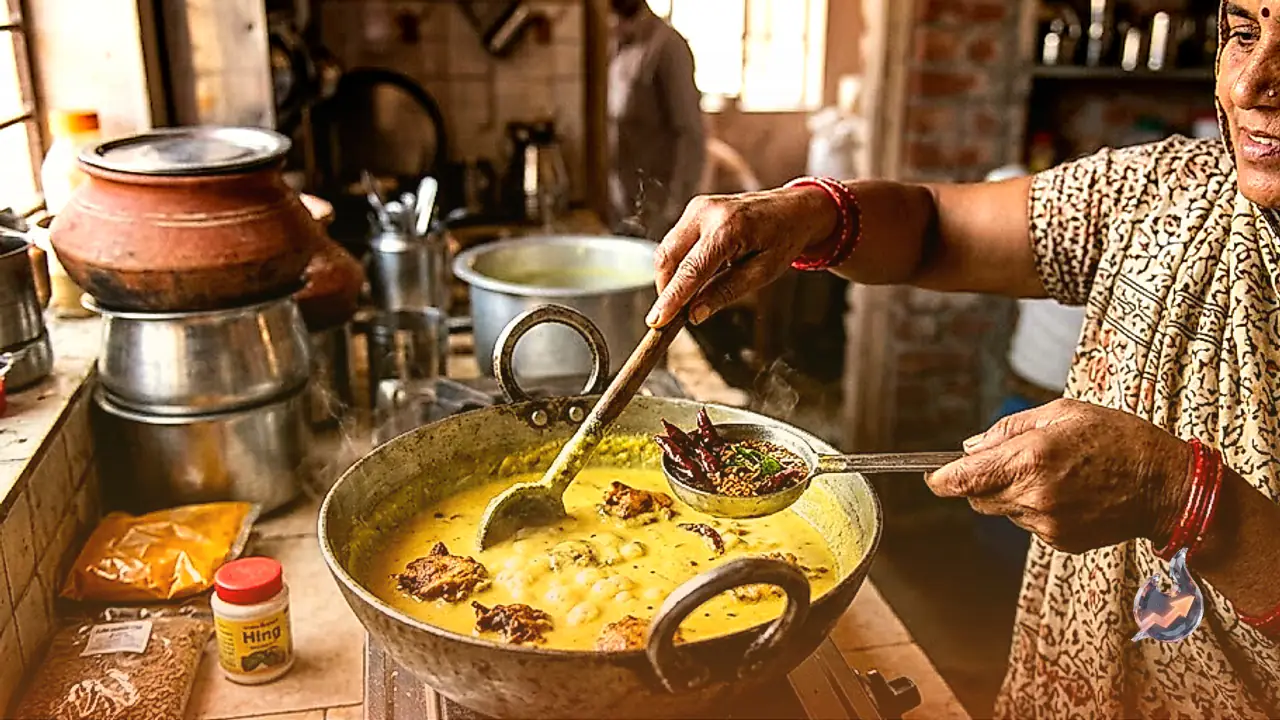

In traditional Indian cooking, kadhi holds a cherished place as a comforting staple made from whisked yogurt and gram flour. Served alongside steamed rice or fresh flatbreads, the dish becomes exceptionally flavorful when combined with warm, tender fritters. Preparing an authentic bowl of this tangy gravy requires more than just mixing the primary ingredients together. The genuine depth of the dish relies heavily on a fragrant spice tempering, steady stirring to maintain an even consistency, and extended simmering over low heat. Following this traditional process step by step ensures the gravy turns out smooth, flavorful, and rich in aroma.
Preparing the Seasoned Pakora Batter
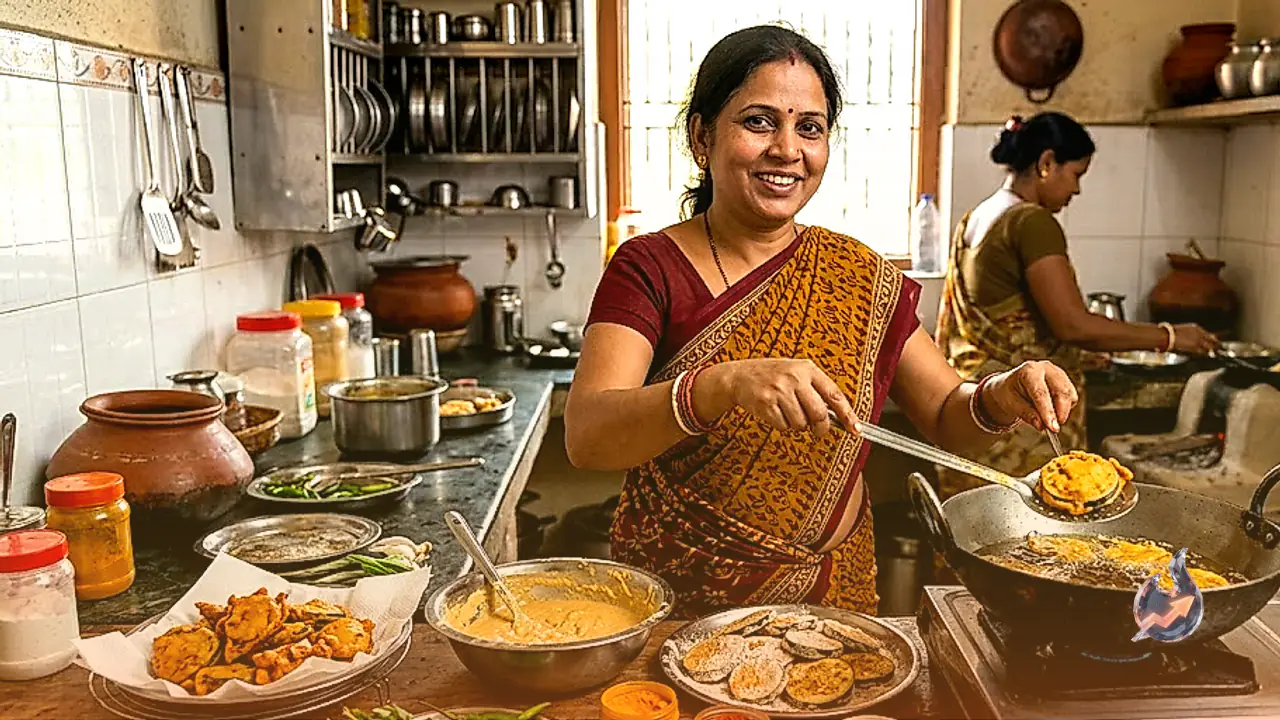
The culinary process begins with the preparation of the fritters, known as pakoras. Sushma Tiwari, a resident of the Vasundhara locality in Delhi, highlights an accessible method to put together this savory batter. The base consists of gram flour placed into a mixing bowl, followed by finely chopped onions, salt to taste, and turmeric powder for color.
To enrich the seasoning, minced garlic, chopped green chilies, and grated ginger are blended directly into the flour. Additional ground spices can also be included to elevate the overall profile according to personal preference. Everything is whisked together with water until an even, lump-free batter forms. This seasoned paste is then portioned and fried in hot oil until crisp and golden, setting the pakoras aside for the final assembly.
Whisking the Yogurt and Gram Flour Base
Once the fritters are ready, attention shifts to creating the kadhi gravy. Sour yogurt and gram flour are combined and thoroughly beaten until completely smooth. Ensuring there are no dry pockets or lumps of gram flour remaining in the mixture is critical during this stage. Once a uniform consistency is achieved, water is poured in according to the desired volume. Adding the right proportion of water prevents the mixture from turning excessively dense too early in the cooking cycle.
Tempering with Asafoetida, Cumin, and Fenugreek
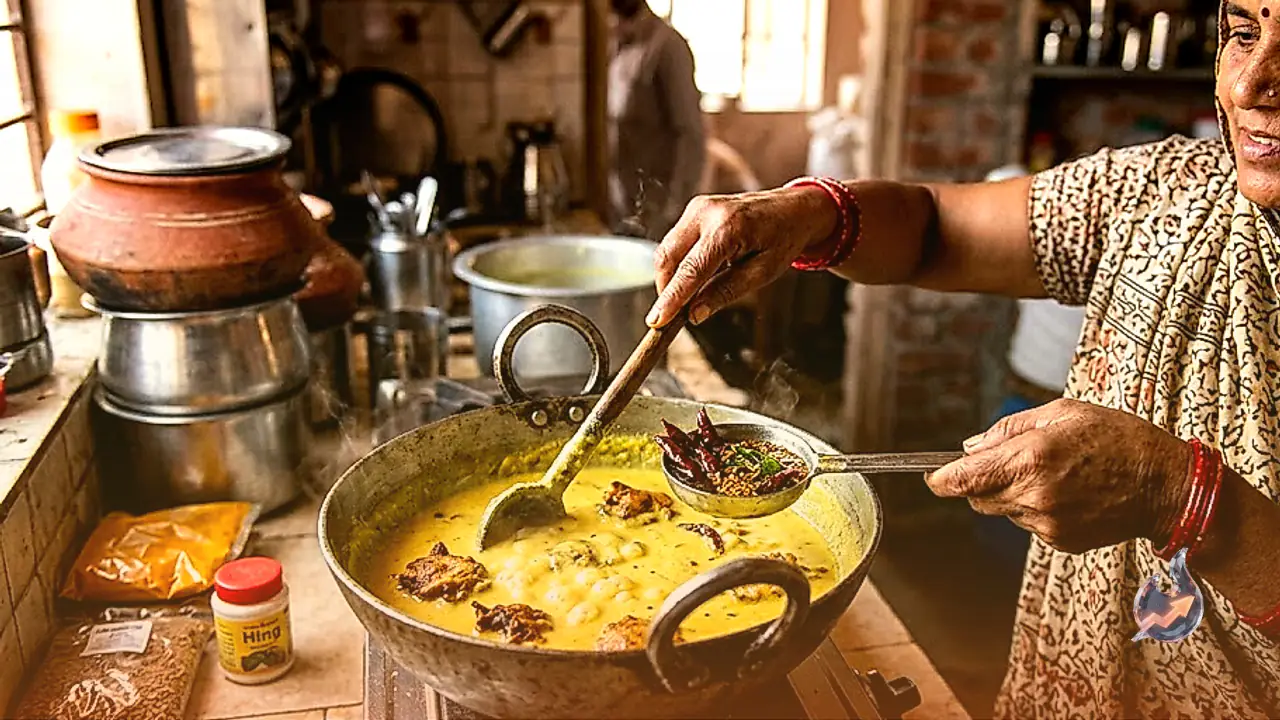
The soul of a traditional kadhi lies in its tempering, locally known as tadka. Cooking oil is heated in a deep pan or wok until hot. Whole cumin seeds, fenugreek seeds, and asafoetida are added into the oil first, allowing their rich aromatic oils to bloom.
Red chili powder and fresh curry leaves are stirred into the hot oil right after. Once the spices crackle and turn fragrant, the pre-whisked yogurt and gram flour liquid is poured steadily into the wok over the seasoned oil base.
Continuous Stirring to Prevent Settling
As soon as the batter enters the pan, constant stirring becomes necessary. If left unattended, the dense gram flour tends to settle at the bottom of the vessel, which causes scorching, uneven thickening, and spoils both the texture and the delicate balance of the gravy. Cooking proceeds with uninterrupted movement until the liquid reaches a rolling boil.
Should the mixture appear overly thick during this boiling stage, a splash of water can be incorporated to adjust the consistency. Once the liquid boils vigorously, the stove flame is reduced to a gentle low setting so the gravy can mature properly.
Half an Hour of Simmering and Softening the Fritters
The kadhi is allowed to simmer undisturbed on low heat for roughly half an hour. This extended cooking time is indispensable, as it lets the acidity of the yogurt, the earthiness of the gram flour, and the profile of the tempered spices thoroughly meld together. The overall flavor intensifies as the mixture continues to reduce slowly.
After approximately thirty minutes of gentle simmering, the pre-fried pakoras are introduced into the bubbling gravy. The cooking pot is then covered with a lid and kept on low heat for an additional 10 to 15 minutes. This final resting period allows the porous fritters to soak up the spiced, tangy gravy, turning them soft, flavorful, and succulent throughout.