

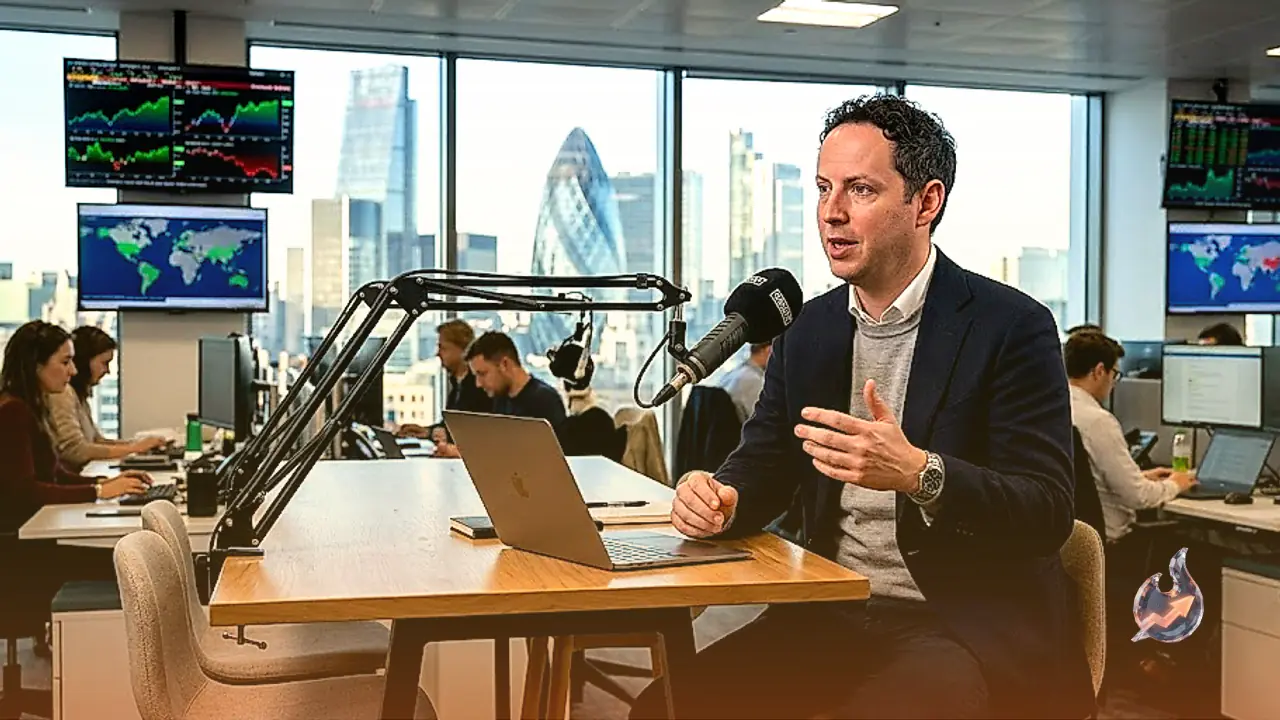





















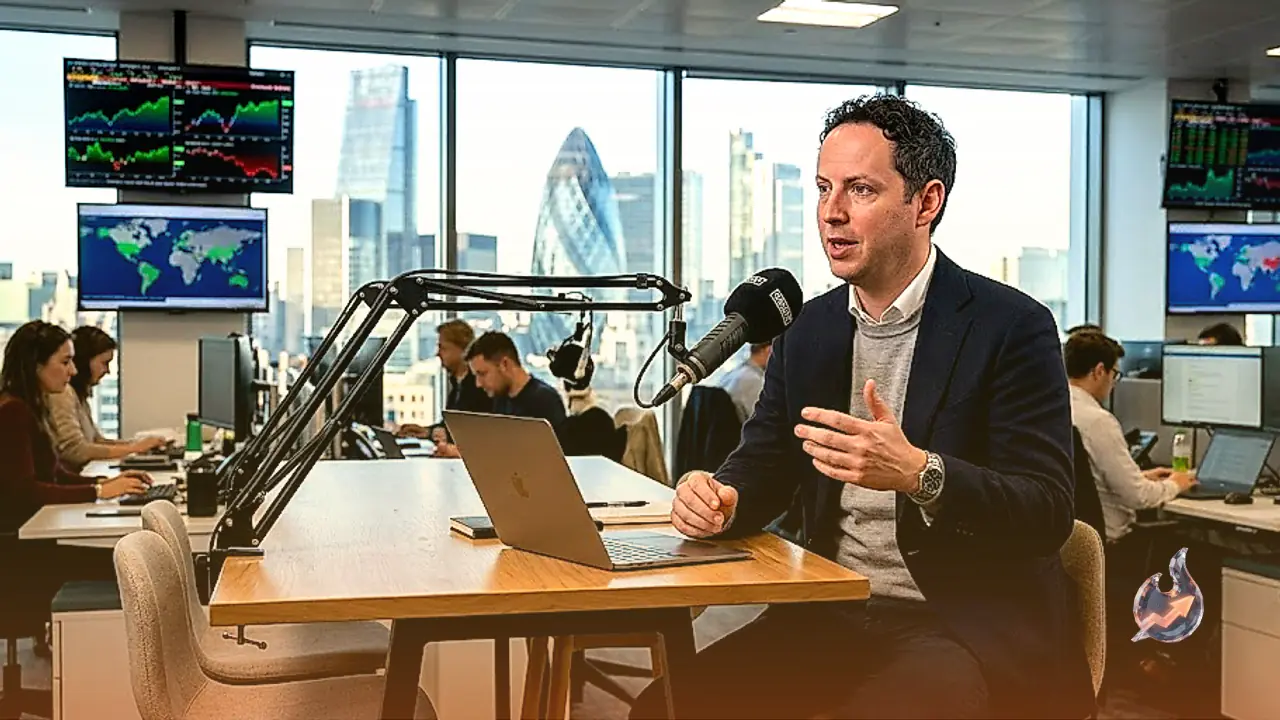

Every single morning, users of the prediction exchange Polymarket receive an email newsletter packed with headlines that mirror the front pages of mainstream political and business publications. Recent dispatches highlighted military advancements by Houthi forces, policy announcements by Donald Trump, and emerging risks of wider geopolitical conflicts. Each story presents a snappy overview of the day's critical developments, directly linking readers to active prediction markets where participants stake real capital on whether an event will transpire. While its tone differs from dedicated financial newsletters, this regular publication has established itself as an impactful editorial vehicle driving the wider speculative ecosystem.
Regulatory Battles and the Editorial Shield
The prediction industry finds itself at the center of intense regulatory disputes across the United States. Federal authorities and the exchanges maintain that these operations are legitimate financial contracts, whereas several state regulators contend that they amount to unlicensed gambling operations. With this legal conflict potentially heading toward the Supreme Court, both Polymarket and its federally regulated competitor Kalshi have deliberately positioned themselves as modern information providers. For firms deeply intertwined with financial speculation, adopting the mantle of a media outlet functions as a strategic defense mechanism.
While various Silicon Valley startups have previously created content platforms, the integration of prediction markets into mainstream corporate media is occurring at an unprecedented pace. Recent industry analysis revealed that these betting exchanges are now embedded into a quarter of the top 20 companies within the S&P 500 Communications Services sector. Polymarket has established formal ties with Dow Jones and Substack, while Kalshi has inked data-sharing agreements with television giants including CNN, CNBC, and Fox Corp.
Turning Betting Odds Into Verifiable News
These commercial alliances do not enable direct wagering on network websites. Instead, their purpose is systematic data distribution. Broadcasters and newsrooms leverage these platforms to report where public money is flowing on major political and cultural events. In return, the prediction exchanges gain widespread visibility as authoritative public intelligence networks rather than mere gambling websites. Market advocates often describe these exchanges as truth machines that capture collective sentiment far better than conventional polling, and when premier newsrooms treat these trading odds as breaking developments, they validate that claim.
Jack Such, a spokesperson for Kalshi, stated that the predictive accuracy of these platforms demonstrates their clear informational utility. He highlighted that three out of every four visitors on the platform do not execute trades, indicating that tracking probability data has become a dominant use case for the broader public. Polymarket declined to provide comment regarding its editorial transition.
Aggressive Social Distribution and Editorial Ambitions
Supplying live odds to established news desks represents only one aspect of this media transformation. On major social networks, official brand accounts publish rapid-fire updates that blend the sensational tone of celebrity news aggregators with traditional financial reporting. This strategy has not been entirely free of errors. An examination by The New York Times determined that news-oriented accounts managed by Polymarket had previously circulated inaccurate and misleading claims.
Chief executive and founder Shayne Coplan publicly characterized the company's collaboration with social platform X as News 2.0. Back in 2024, the enterprise advertised an editor-in-chief vacancy tasked with managing data journalism initiatives. Although that editorial post was not filled, political analyst Nate Silver joined the company as an advisor later that year. The company's active recruitment portal continues to promote this broader ambition, encouraging potential hires to help construct the next front page of the internet.
The Boundary Between Financial Exchanges and Media Houses
Kalshi approaches this identity with far greater caution. When questioned about whether it views itself as an information publisher, spokesperson Jack Such rejected the label. He acknowledged that tracking current events introduces quasi-media characteristics to the betting pools, but insisted that the organization operates fundamentally as a regulated financial exchange.
The fusion of financial intelligence and journalistic reporting has significant precedent. Bloomberg originally built its business around specialized trading hardware and financial metrics before assembling a world-class news organization. Online brokerage Robinhood, which has introduced its own event contracts to challenge Polymarket, previously operated an independent newsroom named Sherwood before shutting it down earlier in the summer of 2026. Another player, Hunterbook, combines an investigative reporting outfit called Hunterbook News with a hedge fund that trades directly on the publication's investigative discoveries.
Podcasts, Cultural Backlash, and Marketing Strategy
Rather than launching an independent publishing unit, Polymarket teamed up with Dear Media to produce a weekly audio show titled What Are the Odds? The program features commentary from digital personalities such as Claudia Oshry and Jackie Oshry. Furthermore, the company partnered with Eventual, a digital media startup backed by venture firm Lightshed Capital and media investor Bryan Goldberg. Goldberg, who founded digital brands such as Bustle and Elite Daily, was an early financial backer of Polymarket and remarked that guiding media discourse has always been integral to the platform's vision.
To generate massive web traffic, Polymarket has occasionally leaned into controversy. A notable incident involved podcaster Amanda Hirsch, who faced severe public condemnation on TikTok for publishing sponsored material encouraging users to bet on the legal trial of Lindsay Clancy. The public outrage prompted Hirsch, who also serves as a host on What Are the Odds?, to release a public apology. Despite these risks, building an editorial presence delivers valuable brand awareness, diversifies revenue beyond transactional exchange fees, and enables the company to actively influence public sentiment.
In January 2026, Dow Jones chief executive and Wall Street Journal publisher Almar Latour praised Polymarket as an accelerating source of real-time intelligence reflecting collective global perspectives. That announcement omitted the fact that Polymarket's primary offshore protocol remains prohibited for domestic users within the United States, where it instead operates a restricted, federally compliant application called Polymarket US.
Corporate Interest and Union Resistance
The rapid expansion of these platforms has not been met with universal approval across the publishing sector. The New York Times halted a planned data integration between Kalshi and sports vertical The Athletic after experiencing sharp resistance from its staff union. Nevertheless, adoption continues to accelerate across the technology sector. Polymarket recently debuted a collaborative discussion feature called Squads to allow traders to interact while staking capital. Concurrently, social media conglomerate Meta previously examined the acquisition of Kalshi and explored building a proprietary prediction market system. As digital platforms evolve, event forecasting is cementing its role as an enduring component of digital news consumption.