




















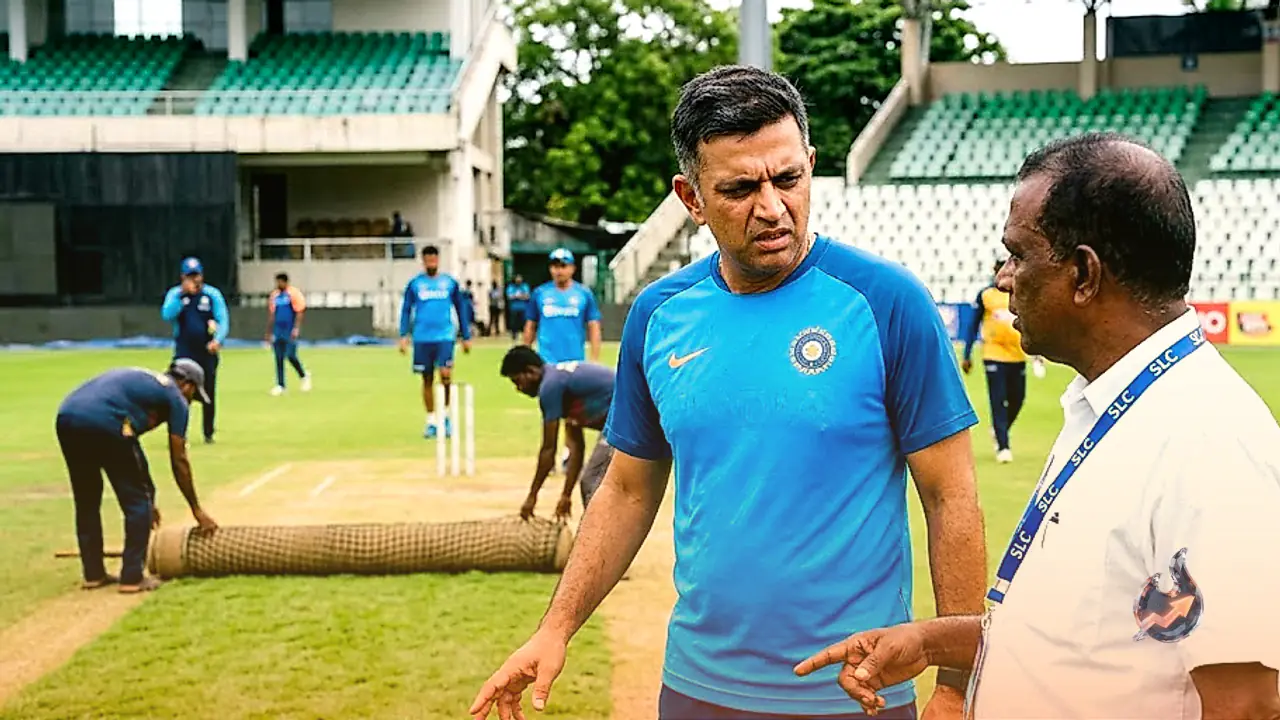

A major controversy has erupted ahead of the upcoming two-match Test series between India and Sri Lanka, centered on the preparation of the practice match pitch in Colombo. Prior to the official Test fixtures, a three-day warm-up game was scheduled between the visiting Indian squad and a Sri Lanka Eleven side at the historic Nondescripts Cricket Club ground. However, before a single ball could be bowled, the Indian team management expressed deep dissatisfaction after inspecting the 22-yard strip, which featured a prominent layer of green grass. The Indian camp felt that such conditions were completely contrary to the strategic preparation required for the upcoming red-ball challenge in the island nation.
Green Grass Replaces Expected Spin in Colombo Warm Up Clash
The Indian cricket team had arrived in Sri Lanka expecting the Test series to be dominated by spin-friendly conditions, consistent with traditional subcontinental venues. Given that Sri Lankan pitches are historically known for offering assistance to slow bowlers, the Indian management anticipated a standard dry or turning wicket for their lone practice fixture. The primary objective of participating in the three-day warm-up match was to allow top-order batters to adjust their footwork against red-ball spin and give slow bowlers valuable overs in match-like conditions.
However, when the Indian players and support staff arrived at the Nondescripts Cricket Club ground for their scheduled training session and conducted a thorough pitch inspection, they were greeted by a heavily grassed surface. The team management promptly voiced strong objections to the groundsmen and local administrators. The Indian coaching setup argued that preparing a seam-friendly, grassy wicket offered little preparation value for a series expected to take place on dry, turn-heavy surfaces.
Sri Lanka Cricket Directed Grass Layer Retention, Confirms NCC Official
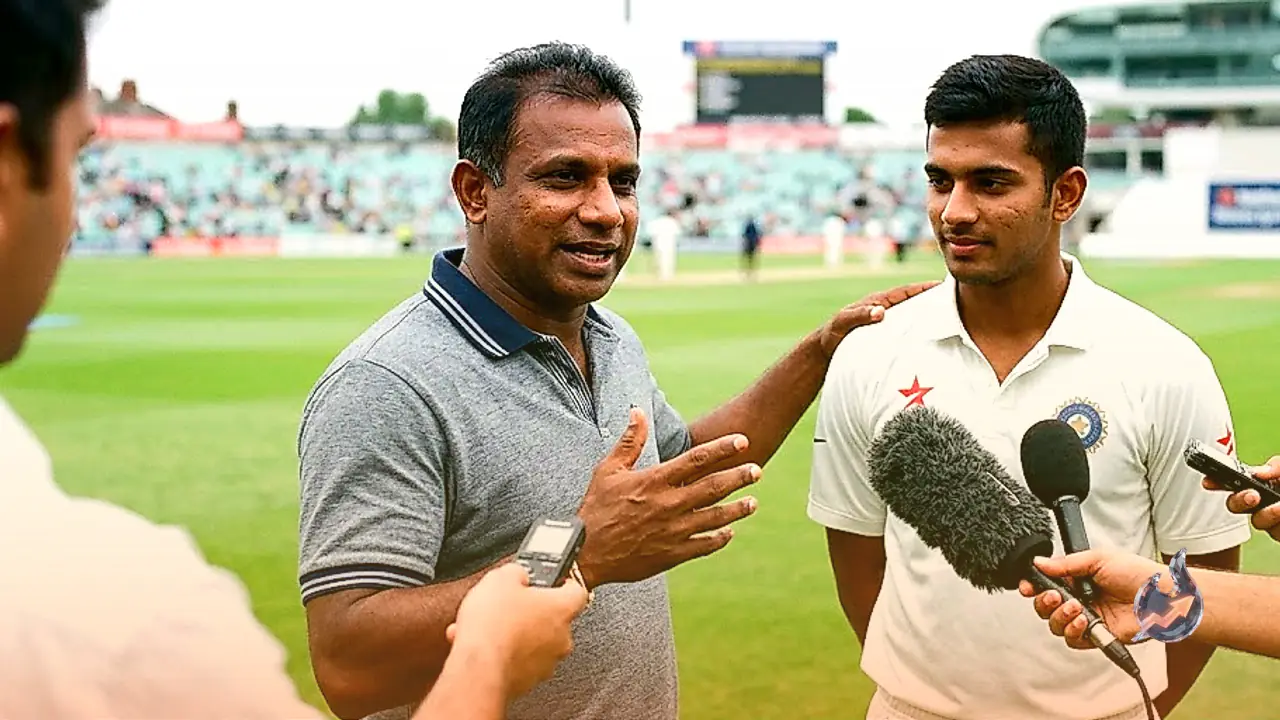
Addressing the rising discontent from the visiting team, A. Franke, a senior official at the Nondescripts Cricket Club, provided official clarification during an interview with a television channel. While acknowledging the Indian team's concerns, Franke confirmed that the retention of green grass on the pitch was intentional. He explicitly revealed that the grass cover was left on the wicket following a specific instruction and request from the Sri Lanka Cricket board.
Defending the groundskeeping approach, A. Franke stated, "The Indian team felt there was excess grass on the pitch, but this is standard practice for a three-day red-ball match." He elaborated that for multi-day matches, curating a completely dry pitch from day one poses a severe risk of early surface breakdown. Franke further emphasized that apart from this singular grievance regarding the pitch, the Indian squad expressed full satisfaction with the outfield, ground standards, and training facilities provided at the venue.
Promising Track for Batters with Spin Expected from Second Day
Elaborating on the expected pitch behavior, A. Franke expressed confidence that the track would deliver a fair and competitive contest between bat and ball. He rejected suggestions that the surface favored any particular side, assuring that the pitch had been prepared to maintain neutrality. According to Franke, the final outcome of the three-day match would depend entirely on the tactical approach and execution of both teams on the field.
The NCC official highlighted that the Nondescripts Cricket Club ground is traditionally recognized as one of the finest batting venues in Colombo, often yielding substantial run totals. He noted that the surface would afford Indian batters an excellent opportunity to spend quality time at the crease, middle the ball, and build confidence before entering the high-stakes Test series. He suggested that despite the initial grass cover, batters who apply themselves would find scoring opportunities.
Furthermore, Franke offered insights into how the surface would evolve over the course of the three days. He predicted that from the second or third day onwards, wear and tear would allow spinners to come into play with noticeable turn and bounce. Offering strategic advice for the match, Franke remarked, "If someone asked for my advice, I would suggest the captain winning the toss to bat first without hesitation."
Why Colombo Pitch Differs Starkly from Upcoming Galle Test Conditions
The core cause behind the Indian team management's frustration lies in the venue for the opening Test of the series. The first Test match between India and Sri Lanka is scheduled to take place at the Galle International Stadium, a venue globally renowned as a fortress for spin bowling. Historically, pitches at Galle grip, turn, and offer sharp assistance to spinners right from the opening session of Day 1. Consequently, the Indian management wanted a practice track mirroring Galle's environment so batters could test their technique against turning deliveries.
Playing on a seam-heavy green top in Colombo forces Indian batters to contend with early swing and pace, while their spinners miss out on the turn they anticipated encountering. As the warm-up match gets underway, all eyes will be on how the Indian squad adapts to this unexpected grass-covered surface and whether they can channel their frustration into a strong performance on the field.