





















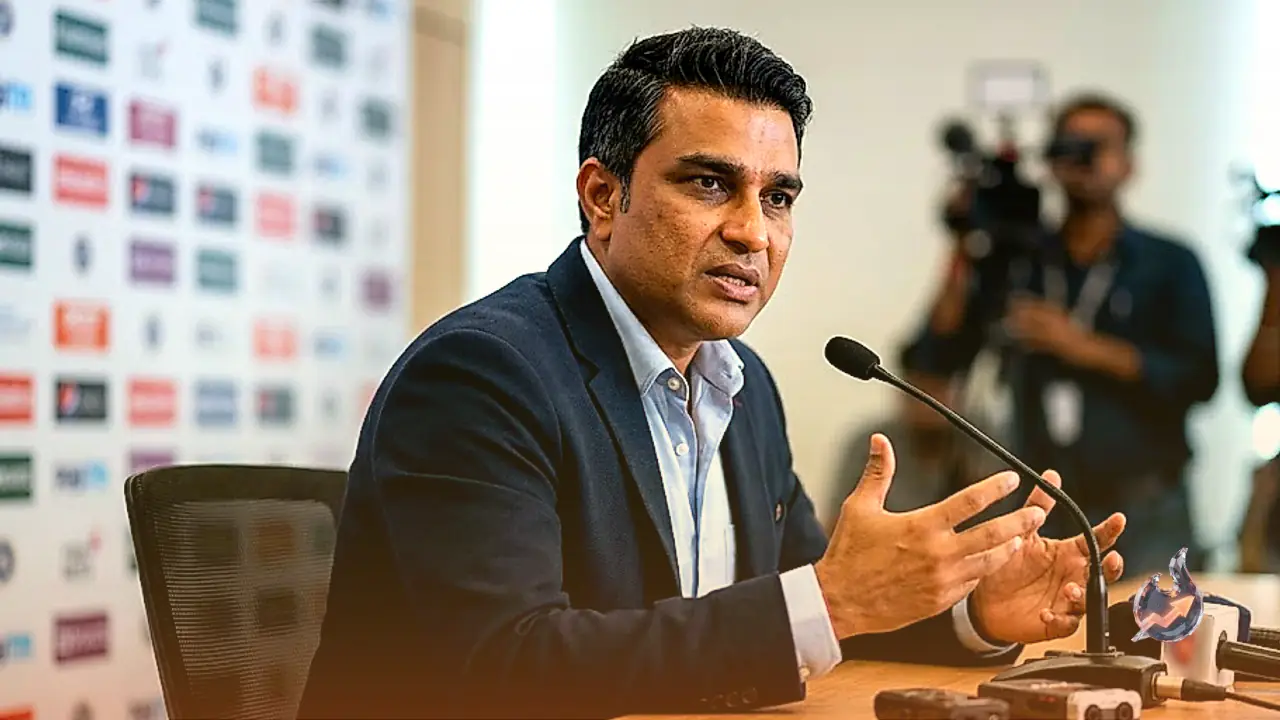

Former Indian cricketer Sanjay Manjrekar has expressed strong criticism following the national team's disappointing performance in the T20 series against England. Rather than pointing fingers at the players for the heavy defeats, Manjrekar has urged a deeper look into the structural issues stemming from the Indian Premier League (IPL) and called for a change in how the national selection committee operates.
The Struggle on Foreign Soil
India's tour proved to be highly disappointing for the defending champions. The team suffered a 0-2 series defeat against Ireland, which was followed by a crushing 0-4 loss in the five-match T20 series against England. This came immediately after the conclusion of the IPL season, highlighting a stark contrast between domestic franchise success and international performance on foreign pitches.
Criticism of IPL Selection Pressure
Writing on the social media platform X, Manjrekar argued that while it is easy to blame players for failures abroad, the real responsibility lies with those who have shaped the IPL into an excessively batter-friendly tournament. He noted that this setup puts immense pressure on Indian batters when they transition to international cricket. He advised selectors, led by Ajit Agarkar, to resist the pressure of IPL statistics and instead focus on identifying players with the specific skills required to succeed in challenging foreign environments.
Structural Issues of the Franchise Tournament
The IPL has frequently faced criticism for creating flat pitches that favor power-hitting at the expense of balanced cricket. Factors such as shorter boundary dimensions and the controversial Impact Player rule have further skewed the game in favor of batters. Manjrekar pointed out that since India is scheduled to play most of its upcoming T20 matches overseas, domestic home-ground advantages will no longer be relevant. Interestingly, several English cricketers have also raised similar concerns about how the IPL's batting-friendly conditions do not prepare players well for international challenges.