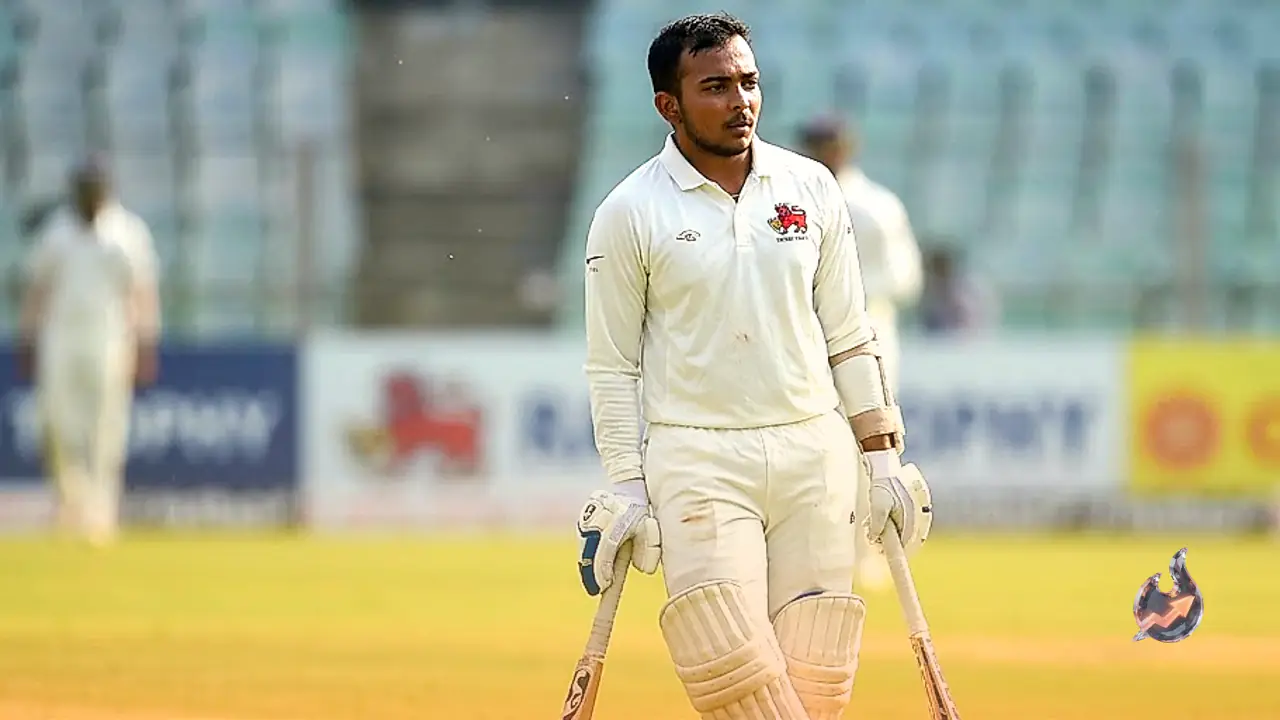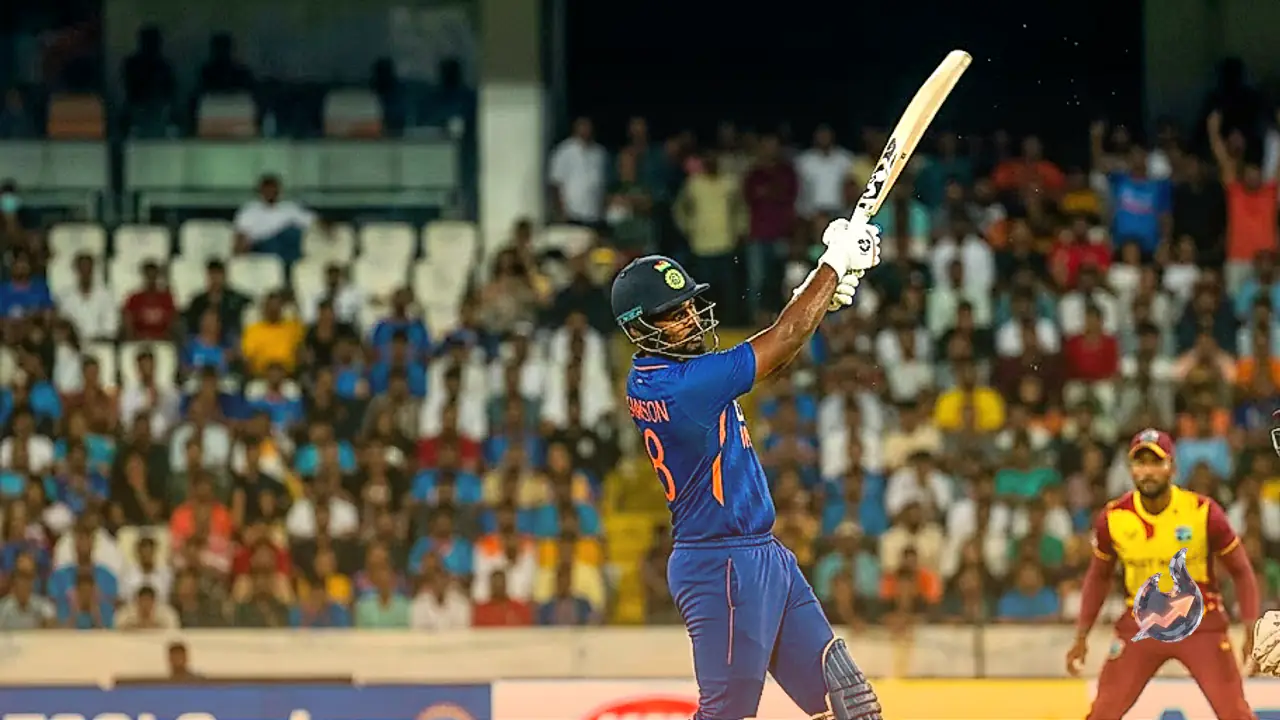




















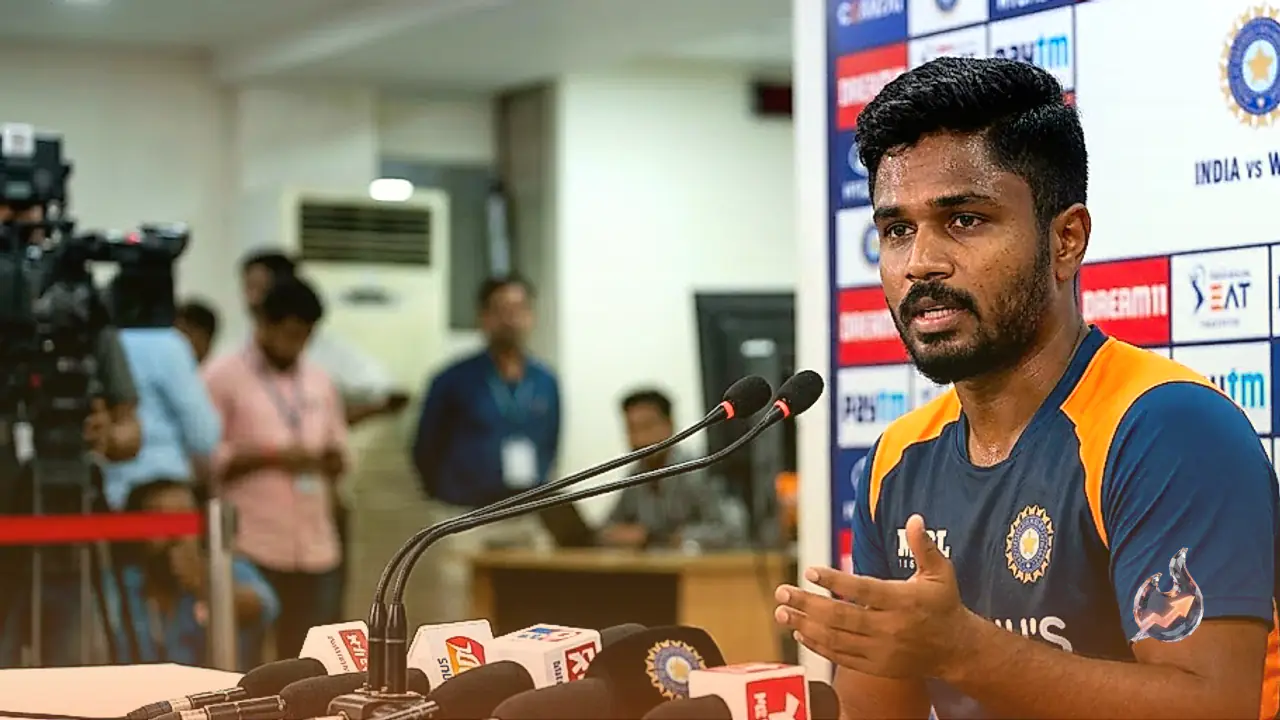

The Rajiv Gandhi International Stadium in Hyderabad hosted the fourth contest of the five-match T20 international series between India and West Indies on October 14. After winning the toss, Indian captain Shreyas Iyer opted to bowl first, allowing the visiting side to capitalize and build a formidable total of 247 runs in their 20 overs. During the run chase, India fell short of the target, getting bowled out for 223 runs in 19.3 overs. While captain Shreyas Iyer identified sub-par bowling execution as a major factor behind the setback, Sanju Samson addressed the post-match press conference with a strong defence of the bowling attack and the developing lineup.
Acknowledging Jasprit Bumrah While Backing Developing Fast Bowlers
Responding to questions regarding the bowling unit conceding a massive score, Sanju Samson openly stated that an exceptional cricketer like Jasprit Bumrah cannot simply be replaced. Samson noted that bowlers of Bumrah's calibre are rare talents, adding that the national team is fortunate to have him on their roster. At the same time, he emphasized the importance of patience and developmental game-time for the younger generation of pacers currently learning on the international stage.
Sanju Samson highlighted that Arshdeep Singh has consistently produced impressive performances, while Prince Yadav has also bowled impactful spells across his recent appearances. Samson explained that young pacers naturally improve as they gain more competitive opportunities on the field, reiterating that regular exposure will steadily elevate their bowling execution under pressure.
Support for Abhishek Sharma and Ishan Kishan Amid Strategic Turning Points
India faced early setbacks in the steep run chase as power-hitters Abhishek Sharma and Ishan Kishan failed to deliver the expected explosive scores. Defending his colleagues, Samson asserted that Abhishek Sharma and Ishan Kishan rank among the finest active batters in modern cricket. He insisted that evaluating their true worth or doubting their skill set based on a single outing would be entirely unfair to their established quality.
Samson personally fought hard in the middle order, compiling a valuable 56-run half-century before his dismissal. Reflecting on the flow of the high-scoring contest, Samson identified the departure of Tilak Varma as the ultimate turning point of the chase. He observed that Tilak was batting exceptionally well at that stage, and his exit disrupted India's momentum during a critical phase of the innings.