
Japanese psychological horror has found a disturbing new expression on the small screen through director Yûta Shimotsu's live-action interpretation of Junji Ito's acclaimed body of work. In the anthology series Strange: Junji Ito's Tales for Sleepless Nights, each thirty-minute installment deliberately blurs the boundaries separating protagonists from their antagonists within surreal and unsettling nightmares. Having completed the broadcast of its twelve-episode debut season on TV Tokyo earlier this summer, the eerie television project is now expanding its international footprint by debuting on HBO Max for viewers across the United States.
Premiering New Nightmares on the Comic Con Stage
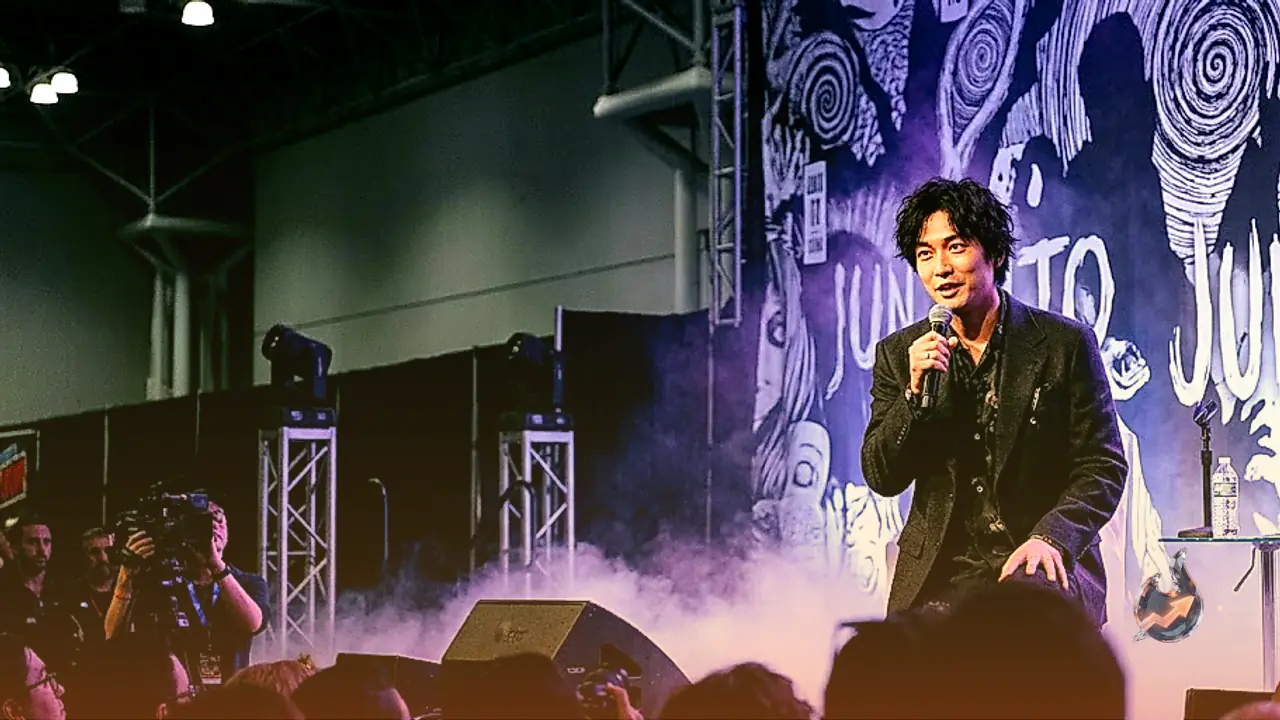
Streaming viewers in the US have already gained access to the first two chapter releases, namely Lovesickness (Part 1 of 3) and The Bully, both of which had earlier received animated versions under Netflix's Junji Ito Maniac banner. Adding momentum to the expansion, fans attending New York Comic Con were presented with the exclusive United States premiere screening of the installment titled Face Thief, which draws directly from Ito's published story The Face Burglar.
The Chilling Narrative of Stolen Appearances
The story of Face Thief, which previously saw an adaptation as a Japanese television movie in the year 2000, centers around an incoming transfer student named Machida, portrayed on screen by Nanami Yamazaki. At her new institution, Machida crosses paths with an uncomfortably obsessive classmate named Kamei, played by Anna Hoshino. The mystery intensifies when Machida notices an identical peer in her class who adamantly denies having any kinship with Kamei. Machida soon uncovers the disturbing pattern behind this shapeshifter: she systematically targets attractive girls, ingratiating herself into their lives before stealing their facial features. During intimate exchanges with Machida, Kamei's facial structure noticeably begins to morph. While this sight originally horrifies the newcomer, an unexpected camaraderie begins to form between them after Kamei wards off harassing bullies by sprouting an extra eyeball directly on her cheek.
Conformity and Societal Scrutiny Under the Lens
Following the presentation at the convention, Shimotsu addressed the audience directly to explore the deeper thematic framework underlying the horror narrative. He explained that Japanese society enforces severe peer pressure to avoid standing out, noting that individuality receives little genuine respect. Although the filmmaker intentionally altered the story's climax to distinguish his live-action vision, the finished episode faithfully preserves the lingering dread established in the original 1987 comic published in Monthly Halloween. That particular year also saw the debut of Ito's signature creation Tomie. Furthermore, the publication's sister branch Nemuki, translated as strange stories of sleepless nights, served as the direct source of inspiration for the television anthology's overarching name.
Ito's Reflections and Visual Ambitions for the Future
The creator himself, now a sixty-three-year-old wearing glasses, shared insights with convention attendees through a special video address. Ito recalled that The Face Burglar came together in the early stages of his writing career after several rejections from publishers, describing the concept not as a ghost, but rather as an uncanny biological quirk inspired by how chameleons disguise themselves in nature. He commended the new production team for avoiding cheap scare tactics, praising their dedication to crafting a creeping psychological atmosphere.
Aesthetic Direction and Potential Uzumaki Adaptation
Shimotsu, whose portfolio includes Best Wishes to All and Shudder's New Group, maintains narrative fidelity through composed framing and steady performances that mirror reading actual manga panels. Looking ahead to the second season, the director expressed a strong desire to shoot at least one entire segment in black-and-white to reflect Ito's traditional illustrative aesthetic. In response to fan inquiries regarding future adaptations, Shimotsu named Uzumaki as his dream subject. That seminal horror narrative has seen various screen versions over the years, including an Adult Swim four-part anime that suffered a troubled production run marked by severe quality declines after episode one and an uncredited fourth installment. Concluding his remarks, Shimotsu noted that he is currently developing a Hollywood production while striving to keep producing bizarre cinematic worlds.