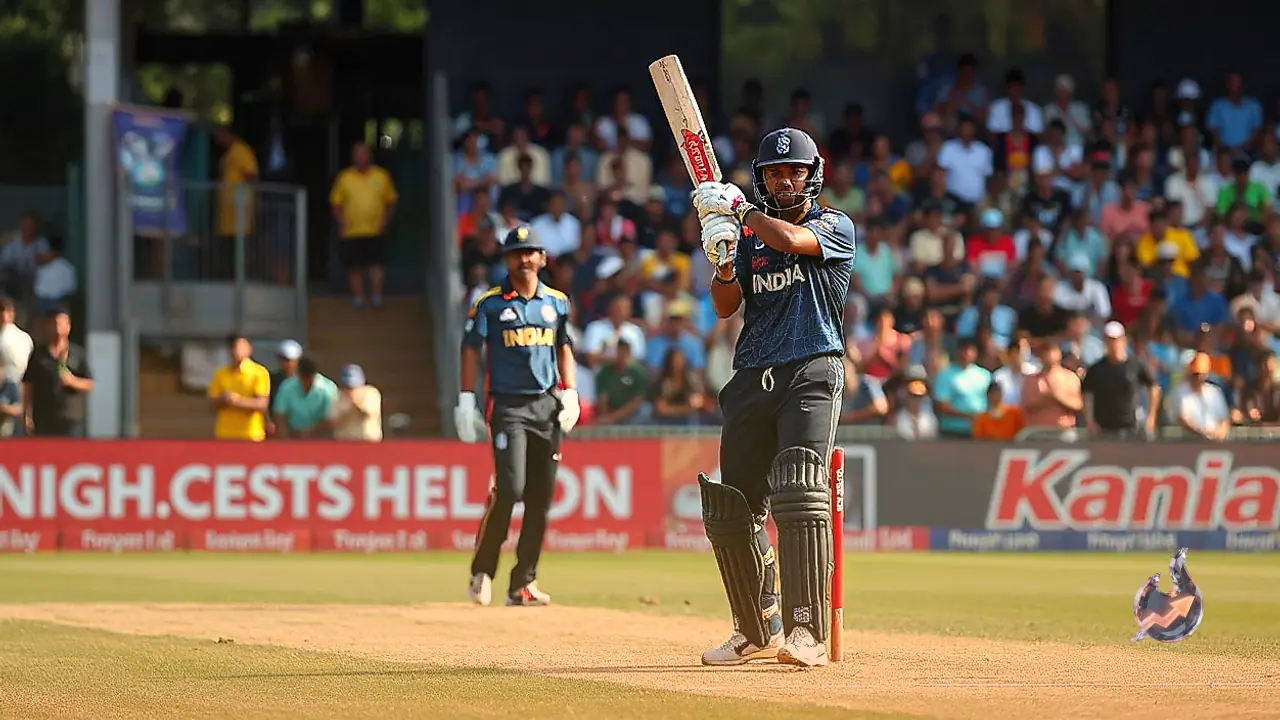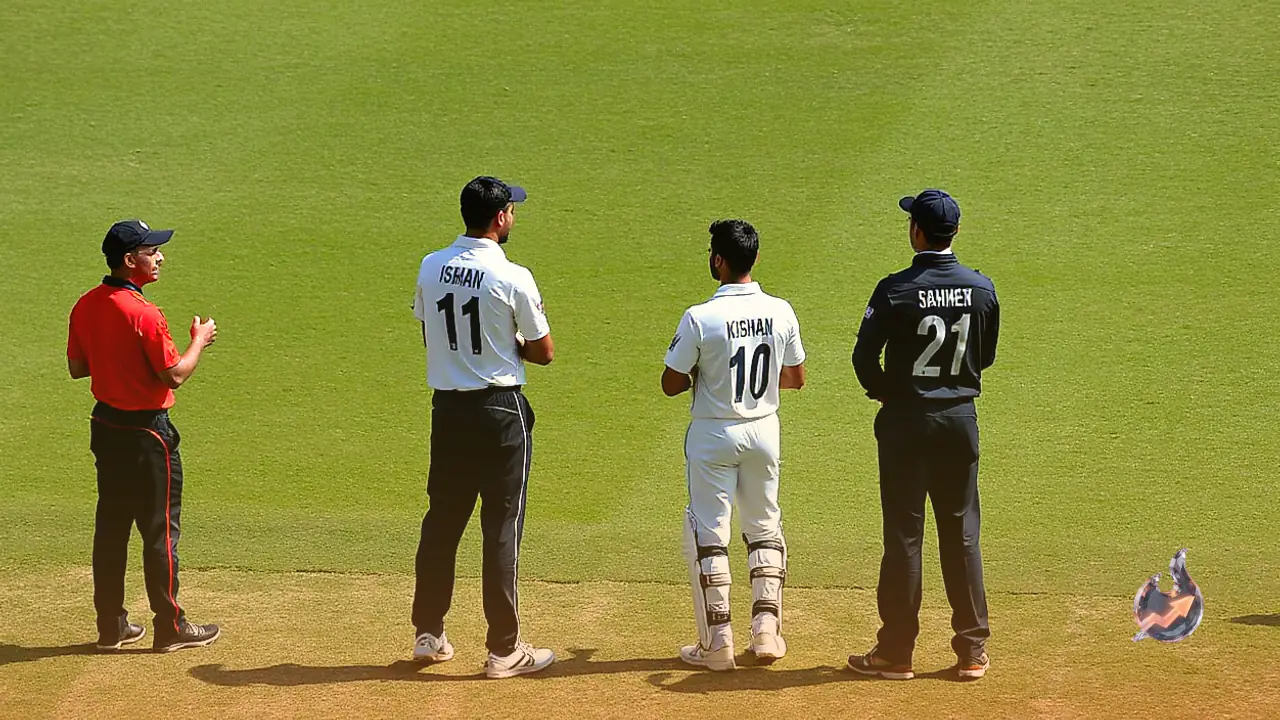






















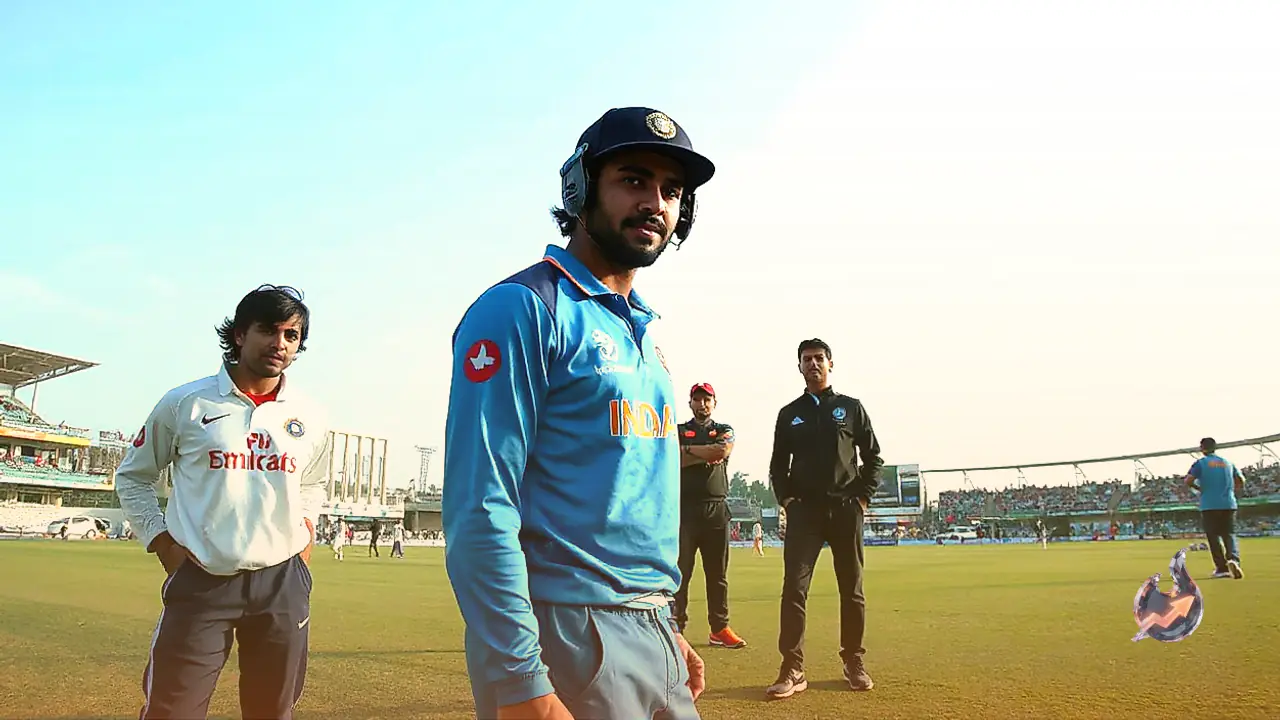

New Zealand secured a convincing seven-wicket victory against India in the fifth and final encounter of the five-match T20I series at Seddon Park in Hamilton. Despite the setback in the tour finale, the visiting Indian team successfully captured the overall series with a 3-2 margin. The hosts had earlier endured defeats across the opening three fixtures before mounting a resilient comeback to claim the remaining two matches. After losing the toss and being inserted to bat on a testing surface, India posted a total of 191 runs within their allotted 20 overs. However, New Zealand capitalized fully on inaccurate Indian bowling and ragged fielding efforts, comfortably tracking down the 192-run target in just 18 overs. Following the conclusion of the contest, Indian captain Shreyas Iyer offered a candid assessment regarding his side's performance and the specific technical phases where the game slipped away.
Assessment of Batting Momentum and the 191-Run Total
Speaking to the host broadcaster during the post-match presentation, captain Shreyas Iyer evaluated the first-innings performance, stating that a score of 191 was a decent total on that surface. However, he observed that after the solid base established during the middle overs where he and Ishan built decisive momentum, the team possessed the platform to register a significantly larger tally. The subsequent loss of quick wickets disrupted that rhythm, immediately transferring severe pressure onto incoming batters. Iyer explained that batting was far from straightforward on the Seddon Park strip, particularly because the ball was seaming consistently and holding up off the surface. He highlighted that both he and Tilak fell in almost identical fashion against deliveries pitched on a nagging hard length. Despite those challenging seam-movement conditions, navigating through to 191 remained a respectable batting effort.
Critique of Execution Across Bowling and Ground Fielding
Turning his focus to the second half of the match, Shreyas Iyer openly acknowledged that the team fell short of expectations with both ball in hand and in ground fielding. He remarked that the execution across both departments remained noticeably loose, allowing New Zealand's batting lineup to seize control of the run chase and complete the task with 12 balls to spare. At the same time, the captain emphasized that touring foreign venues provides invaluable educational opportunities for the squad. Adapting to distinct overseas grounds, adjusting to evolving pitch behaviors, and handling unpredictable situations across New Zealand will serve as critical lessons for the group moving forward.
Turning Attention to Upcoming One-Day Fixtures
Addressing the broader technical concerns revealed during the series, Iyer indicated that he preferred not to dwell excessively on the T20 lapses because the squad must immediately turn its focus toward the approaching ODI series. He explained that touring abroad consistently tests a team across varied facets of the game, and confronting those challenges with resilience remains paramount. The captain reiterated that the squad will review its deficiencies internally, with fielding highlighted as a primary discipline demanding urgent refinement. He also pointed out that operating under twilight conditions with clear skies presents unfamiliar visual demands for catching and ground fielding, conditions rarely encountered across domestic venues in India.