














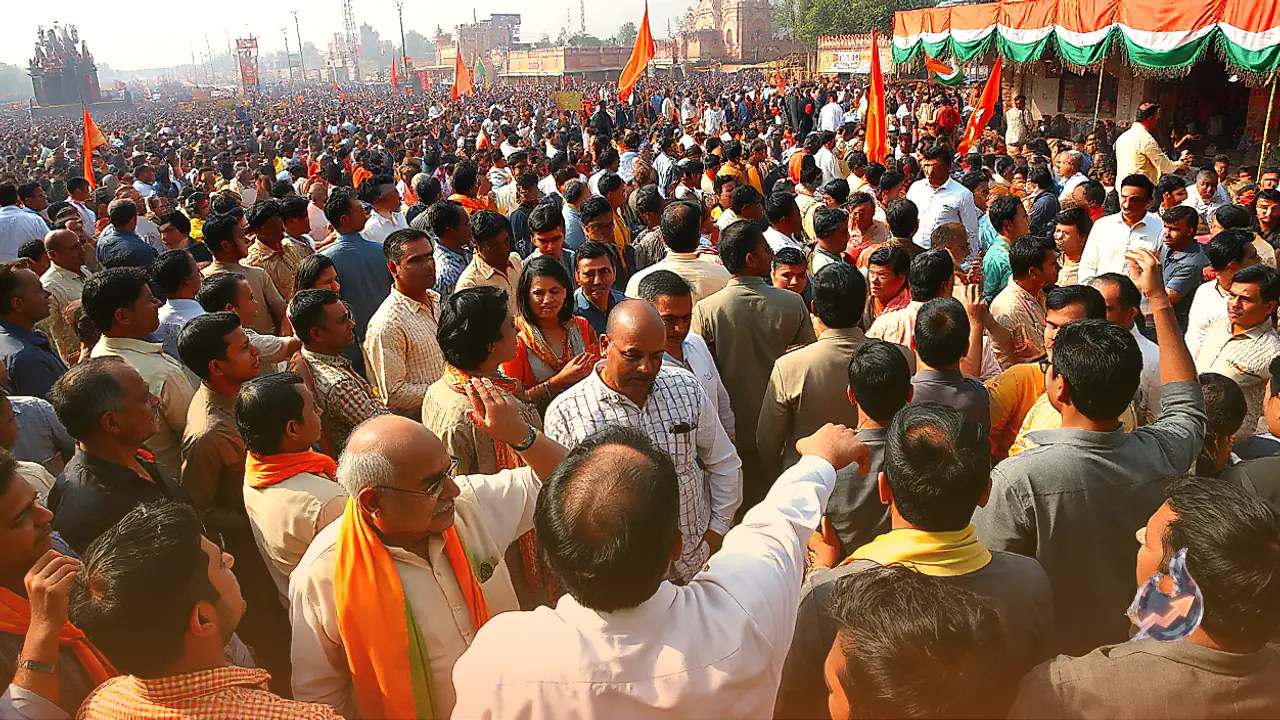

Political friction escalated following the INDIA alliance gathering at New Delhi's historic Ramlila Maidan, as the Bharatiya Janata Party mounted a detailed counter-offensive against the opposition's statements. Speaking at a press conference on November 1, BJP national spokesperson Sambit Patra took aim at Congress leader Rahul Gandhi, disputing the attendance figures cited by the organizers and questioning the factual consistency of several remarks made during the event.
Ground Layout and Attendance Math at the Venue
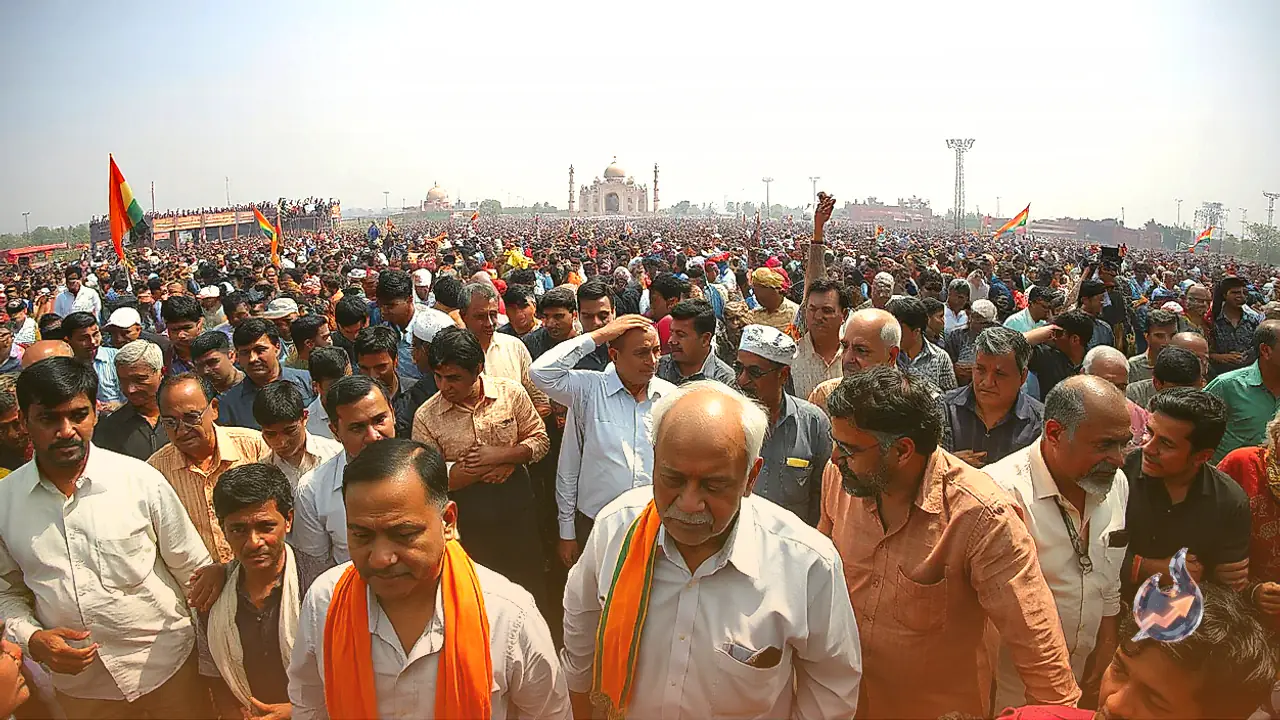
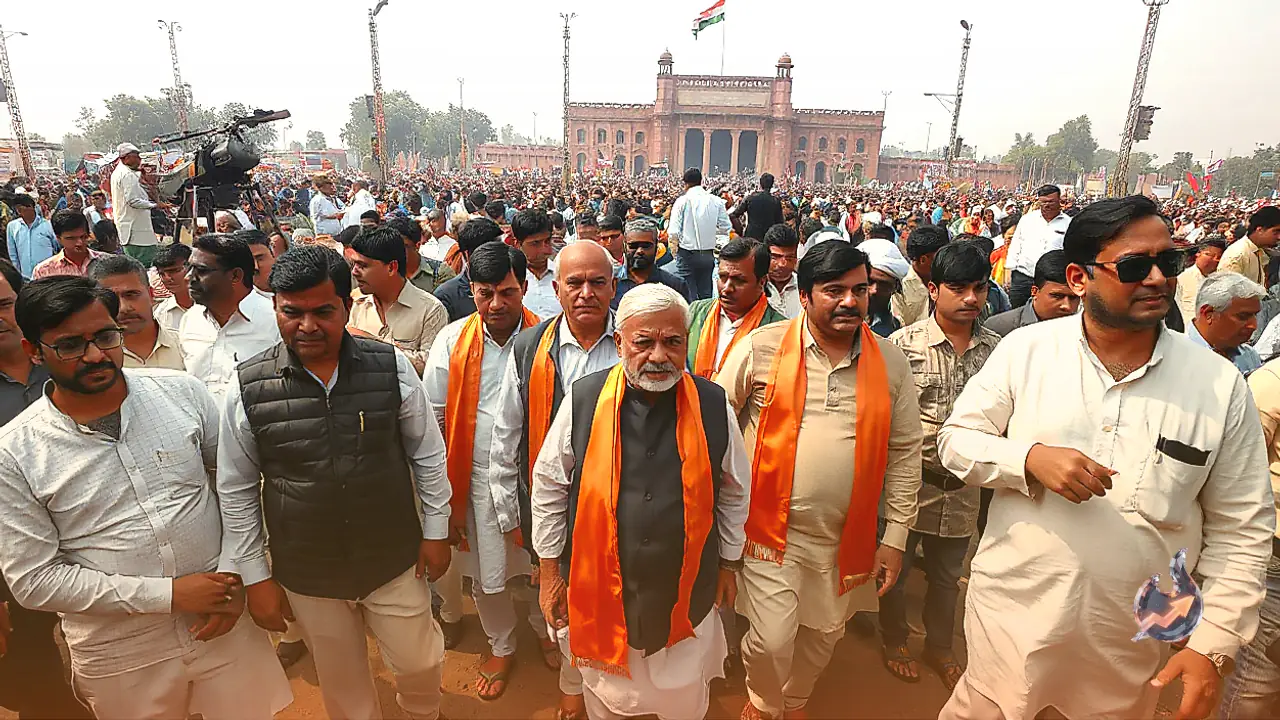
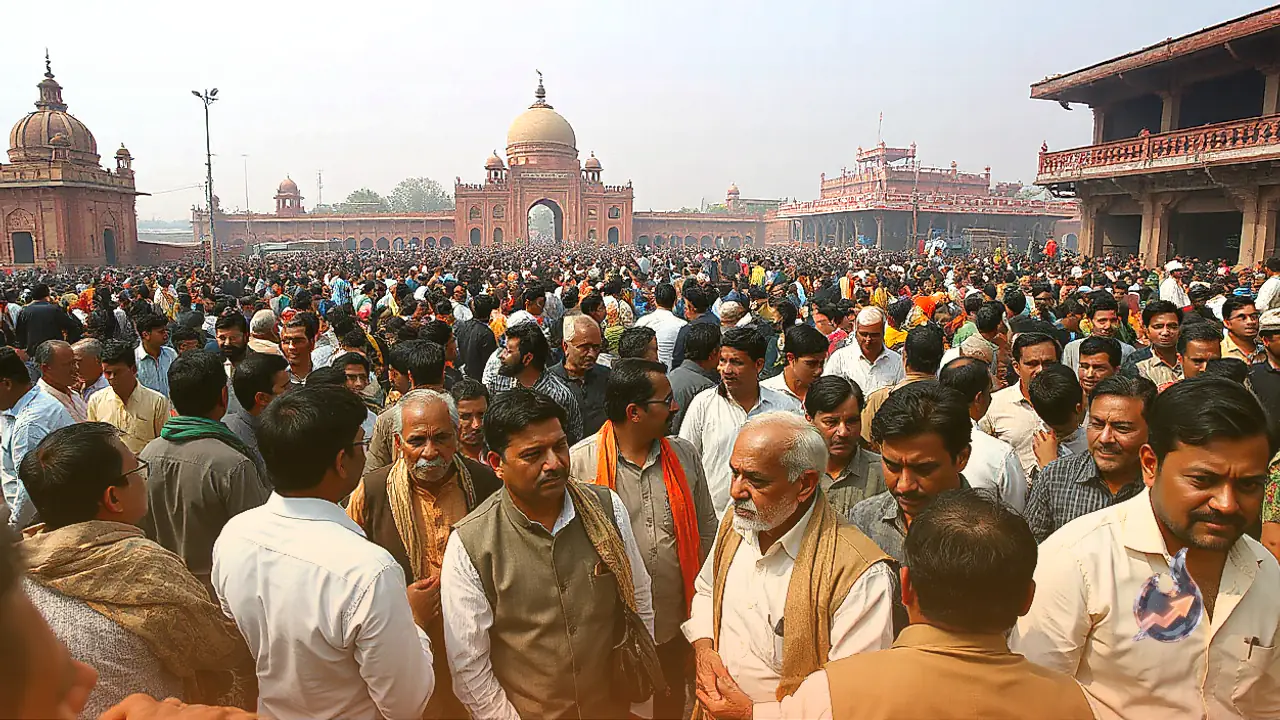
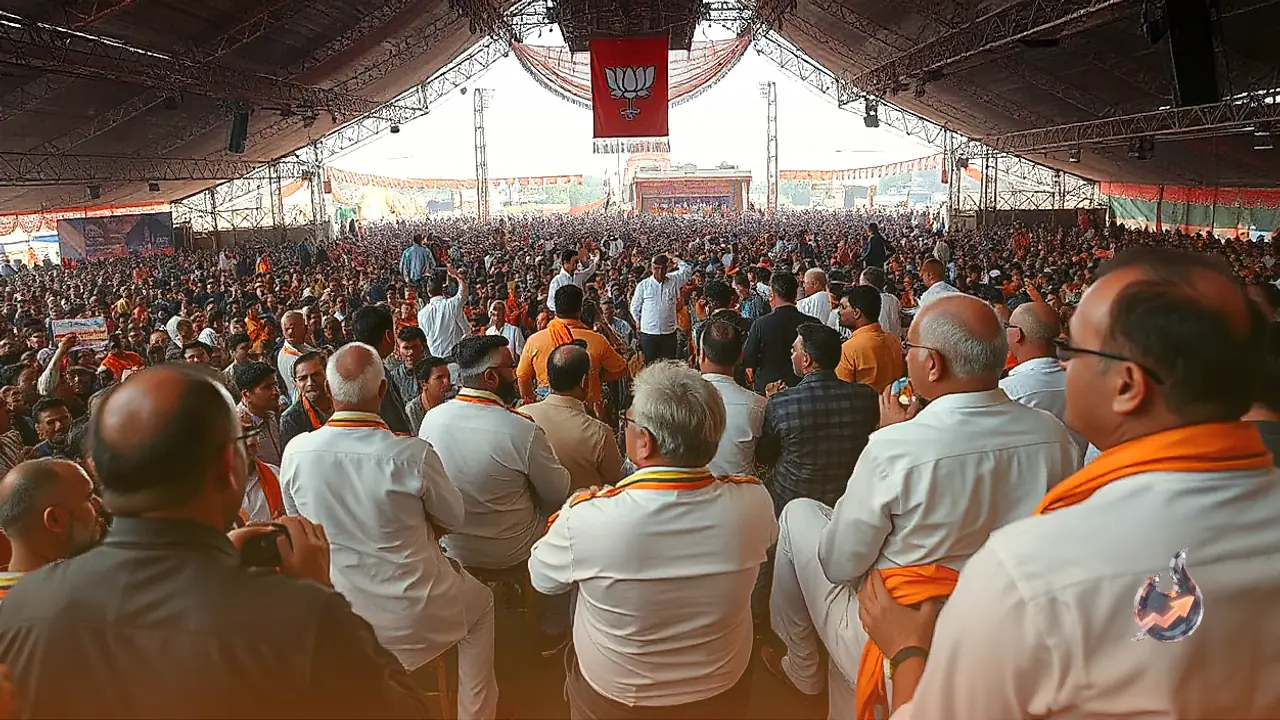
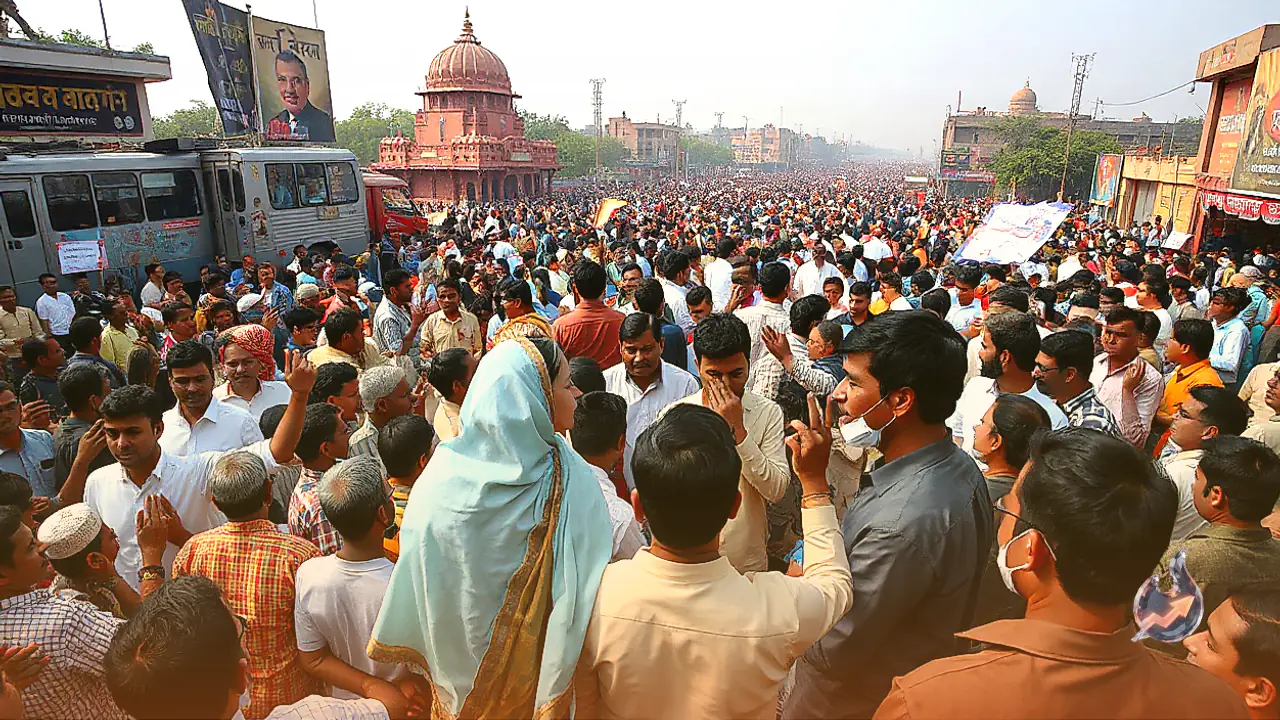
Outlining the physical layout of the venue, Sambit Patra stated that Ramlila Maidan spans roughly 10 to 12 acres. Within this space, approximately 15 percent was occupied by the main stage and the designated D-area cordoned off in front of it. Furthermore, nearly 40 percent of the ground remained completely vacant, lacking both seating arrangements and attendee presence throughout the proceedings.
The BJP spokesperson explained that organizers had placed approximately 28,000 chairs across the venue. Out of that total seating capacity, between 5,000 and 7,000 chairs remained unoccupied. Patra contrasted these ground observations with claims by the Congress that over 10 lakh people attended the event, arguing that the actual arrangements and visible vacancies directly contradicted such projections and could not be masked by selective camera framing.
Electoral Roll Revisions and Chief Election Commissioner Timeline
Sambit Patra drew a parallel between the crowd figures and the arguments raised by the Congress regarding the Special Intensive Revision (SIR). He stated that the party's claims concerning voters being struck from the rolls followed a similar pattern of questionable arithmetic, insisting that the opposition ought to reconcile its statements with verifiable facts on the ground before making public accusations.
Addressing Rahul Gandhi's characterization of the 2024 Lok Sabha elections as illegitimate and his demand for the removal of Chief Election Commissioner Gyanesh Kumar, Patra pointed to the official timeline of appointments. He noted that Gyanesh Kumar took charge as Chief Election Commissioner in February 2025, which occurred well after the 2024 general elections had concluded. Patra described the call for removal based on the conduct of those prior polls as chronologically ungrounded.
Questions Over Leader of the Opposition Standing and Legal Recourse
Patra argued that if Rahul Gandhi considered the 2024 general elections invalid, then by that same standard, his own constitutional standing as the Leader of the Opposition in the Lok Sabha—an office derived directly from those elections—would also be compromised. The spokesperson further questioned why, if there were legitimate grievances concerning electoral fraud or irregularities, Rahul Gandhi and the Congress party chose not to file an immediate petition before a court of law to challenge the outcome legally.
Redefining the Primacy of Hard Work Over Image-Making
Targeting the opposition's political approach, Sambit Patra remarked that trick photography and stagecraft do not transform an individual into a public leader or a Prime Minister. He stated that rising to national leadership requires years of unremitting exertion and sweat. Patra remarked that the acronym PM does not merely stand for Prime Minister, but signifies sweat and hard work, noting that national leadership is earned through continuous labor rather than curated imagery.
He argued that had sincere outreach taken place among the electorate to build trust, the attendance at Ramlila Maidan would have presented a completely different picture. In his remarks, he asserted that enduring leadership is forged through sustained struggle, grassroots engagement, and public goodwill rather than dynastic privilege.
Critique of Political Rhetoric and the Strength of Democratic Mobility
Referring to Rahul Gandhi's recurring slogan of running a 'shop of love', Sambit Patra questioned the credibility of the phrasing, noting that conciliatory rhetoric stands at odds with derogatory comments directed at Prime Minister Narendra Modi. He expressed skepticism over when genuine authorization for such a platform would ever be demonstrated in practice.
Concluding his remarks, Sambit Patra stated that India belongs to its ordinary citizens rather than any inherited political legacy. He underlined that the core strength of India's constitutional democracy lies in providing every individual, including a tea vendor from an everyday background, the path to rise to the nation's highest office through perseverance. He alleged that the traditional establishment struggles to reconcile with the reality of an ordinary person ascending the democratic ladder to lead the country.