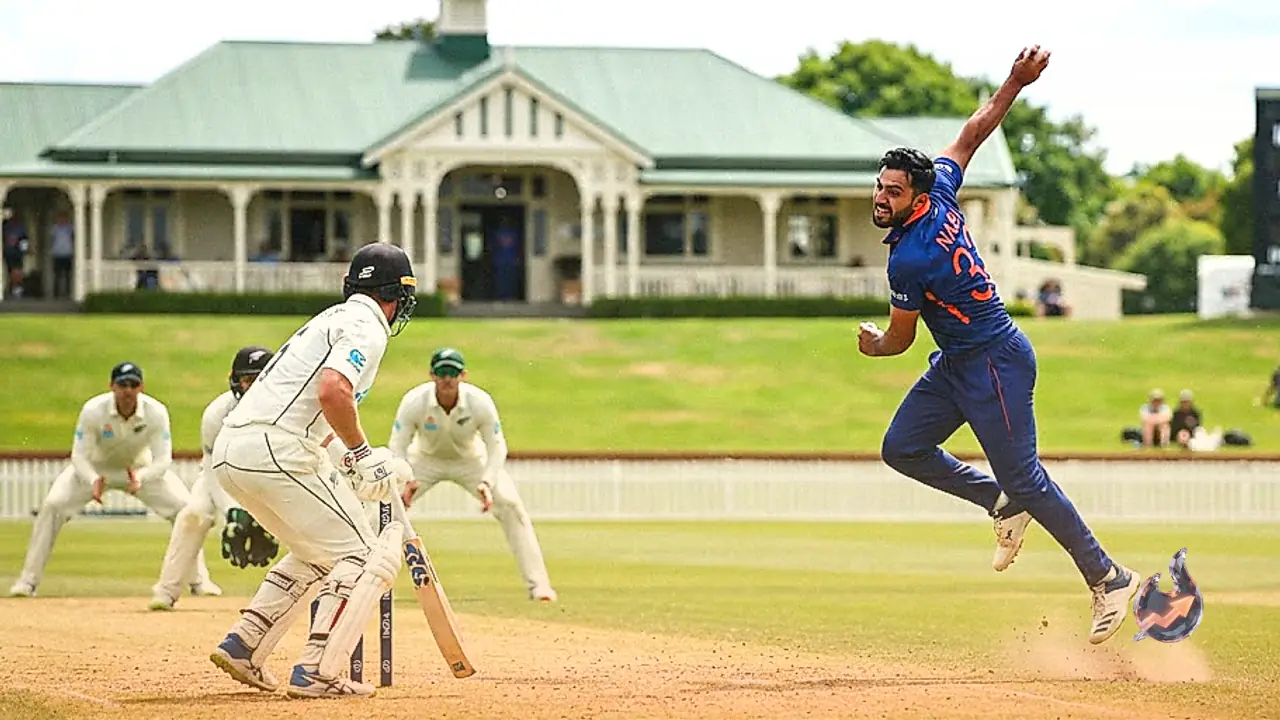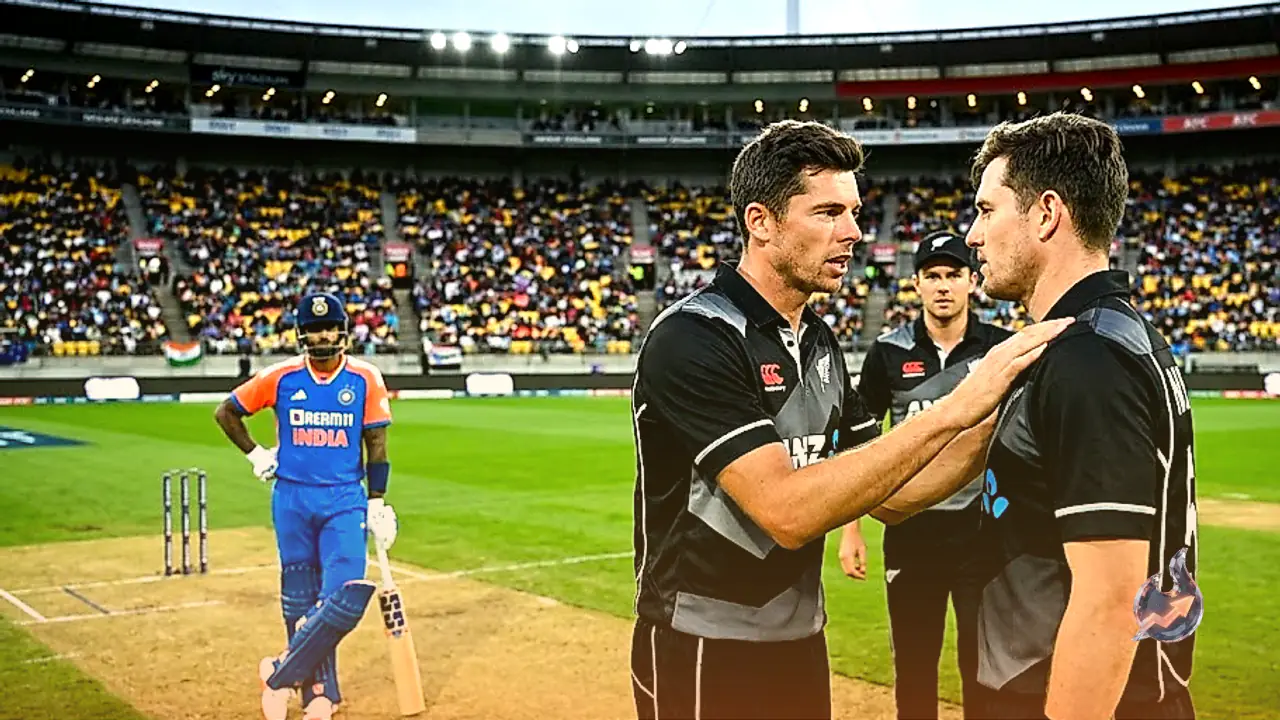

























Under the captaincy of Shubman Gill, the Indian cricket team has forced Sri Lanka to follow-on, bringing a sense of relief to the side. However, Tuesday morning on the fourth day of the match presented a nervy phase where the captain was visibly under severe pressure. Every single run was proving costly, but debutant Saransh Jain arrived as a true savior for the team. He claimed two vital wickets to finally bring Sri Lanka's first innings to a close.
The Persistent Threat of Lower-Order Batters
Regardless of the ultimate result of this second and final Test match between India and Sri Lanka, the visiting lower-order batsmen injected immense fight into the contest. Lower-order resistance has frequently troubled the Indian team in the past. A similar scenario has unfolded on previous occasions as well. This marks only the second instance in Sri Lankan cricket history where the bottom three batsmen batted for more than 40 overs against India. Referring to the batters who arrived at numbers eight through ten, a parallel event occurred back in 2010. During that Sri Lankan innings, 7 wickets had tumbled for just 87 runs in 31.2 overs, but the final three batsmen mounted a strong resistance to push the team total to 267 runs across 85.2 overs.
Echoes of the 2019 Pune Test Match
The last time lower-order partnerships caused headaches for Team India was back in 2019. A Test series fixture was underway in Pune between India and South Africa. The Indian bowling attack reduced South Africa to their first seven wickets for a mere 139 runs. However, dismissing the final three wickets proved to be an exhausting task. South Africa managed to post a respectable total of 275 runs before being completely bundled out. It was entirely the effort of the tailenders that pushed the score to that tally, as surpassing even the 150-run mark had earlier appeared unlikely.
Saransh Jain's Crucial Breakthroughs Turn the Tide
As play resumed on the fourth morning, Sri Lanka required 39 more runs to avoid the follow-on. Team India was eager to secure the final two wickets and wrap up the innings quickly, but Sonal had entirely different plans. Upon arriving at the crease, he played aggressively and brought up his century. Sri Lanka's eighth wicket fell when the team score reached 230 runs, but the ninth wicket tumbled at 288. Throughout this phase on day four, every single run weighed heavily on India. It began to look as though Sri Lanka would successfully avoid the follow-on and potentially save the match. At that critical juncture, Test debutant Saransh Jain dismissed Lahiru Kumara to secure India's ninth success. Yet the tension persisted because Sonal remained firmly anchored at the crease. Finally, at the score of 290, Jain dismissed Sonal to wrap up the entire Sri Lankan innings. Only then did captain Shubman Gill breathe a sigh of relief. Essentially, debutant Jain acted as the ultimate savior for Gill, otherwise the Sri Lankan side might have avoided the follow-on and saved the match. Following the action, Sony Sports Network posted updates highlighting the dramatic turn of events.
India Continues to Break Sri Lanka's Opening Partnerships
Subsequently, when Sri Lanka commenced their second innings, their opening wicket fell early once more. Reviewing the last 14 matches and 28 innings played between Sri Lanka and India, the team's combined opening partnership amounts to just 289 runs. Not even once has this opening stand crossed the 50-run threshold. Their average stands at roughly ten runs per partnership. This demonstrates that breaking through the opening pair has consistently remained a straightforward task for India.