

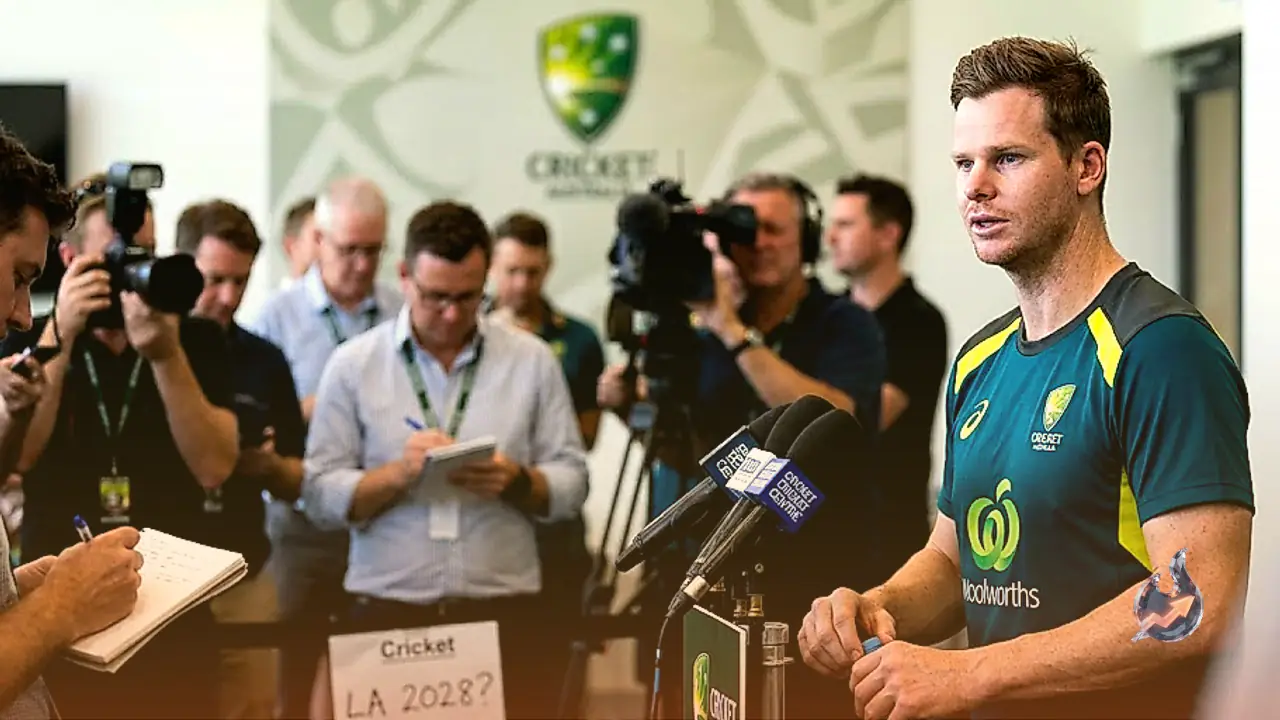


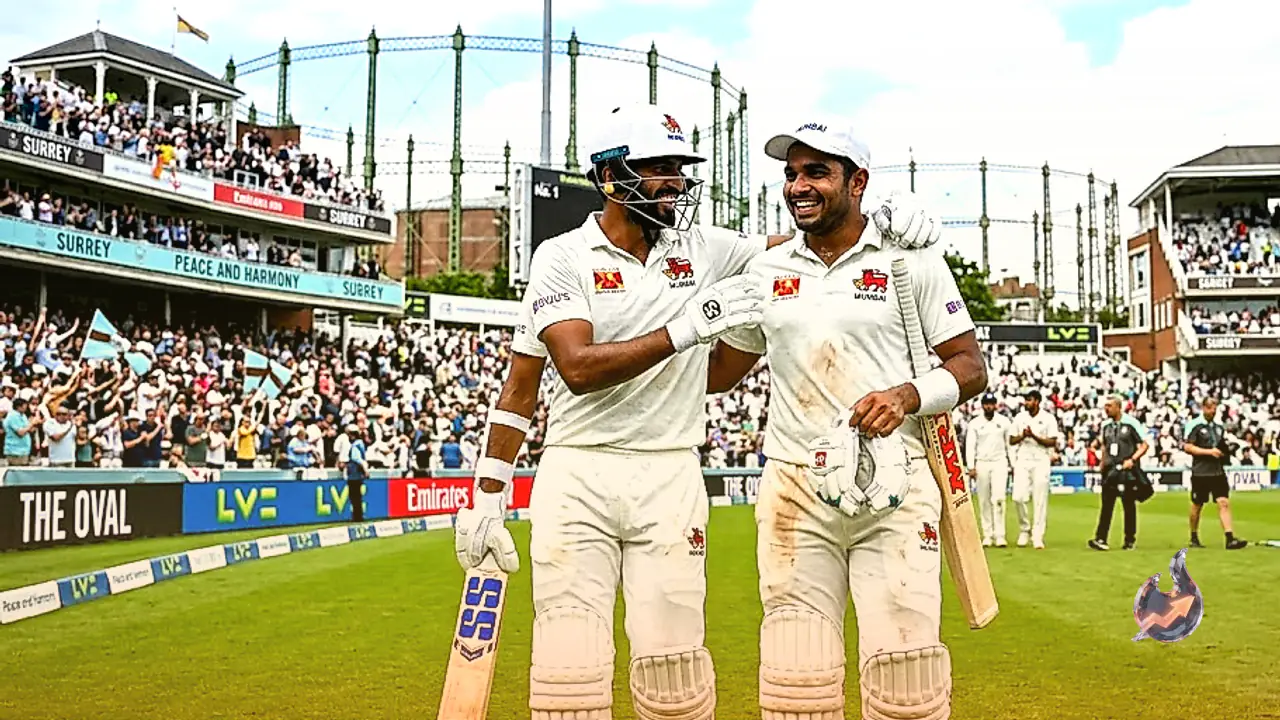

















In the relentless evolution of international T20 cricket, power hitting has reached staggering heights, yet one monumental record in the ledger remains nearly impossible to surpass. Whenever a modern aggressive batsman walks out to the 22-yard strip, the fastest half-century ever recorded naturally looms over every boundary assault. Back on September 27, 2023, Dipendra Singh Airee of Nepal delivered a jaw-dropping masterclass against Mongolia, completing a fifty in just 9 deliveries. That feat redefined what was thought achievable in the shortest format, and with the emergence of fearless Indian hitters such as Abhishek Sharma and Vaibhav Suryavanshi, conversations have reignited over whether this mountain can ever be climbed.
Dipendra Singh Airee and a Benchmark for the Ages
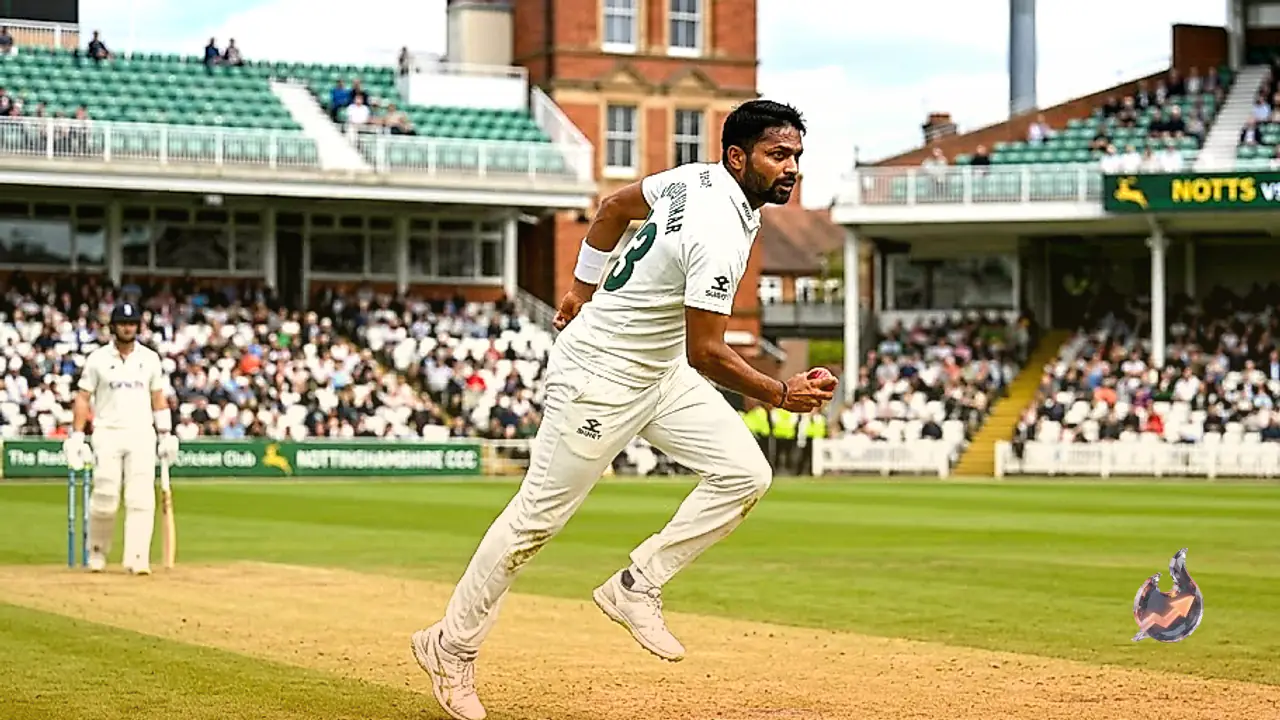
Modern Twenty20 strategy encourages top-order batters to target bowlers right from ball one without hesitation. Exploiting the early field restrictions to bring up a personal fifty within 20 to 25 balls has become a familiar occurrence across stadiums globally. However, scripting 50 runs within a mere span of nine balls belongs to a completely different realm of sports history. During Nepal's fixture against Mongolia, Dipendra Singh Airee launched an unrelenting barrage of maximums into the stands, leaving spectators and opposition players thoroughly stunned. That remarkable knock proved that eclipsing certain records demands far more than brilliant stroke play; it necessitates extraordinary raw power, millimeter-perfect timing, and an ideal set of match conditions working in tandem.
The Mathematical Reality of Nine Deliveries
A closer look at the arithmetic required to match or overtake this milestone highlights the sheer lack of margin for error. Boundaries, specifically towering sixes, remain the only viable currency to reach 50 runs within nine balls. Consider the numbers: striking eight consecutive sixes lifts a batter's tally to 48 runs, meaning a ninth six would be required to reach 54 runs. In practical terms, any challenger aiming to conquer this milestone must string together a breathtaking combination of at least seven sixes alongside two boundaries, ensuring the half-century mark is reached before the tenth ball. Consuming even a single dot ball instantly kills the quest, while settling for singles or twos completely dismantles the mathematical runway.
How Abhishek and Vaibhav Factor Into the Equation
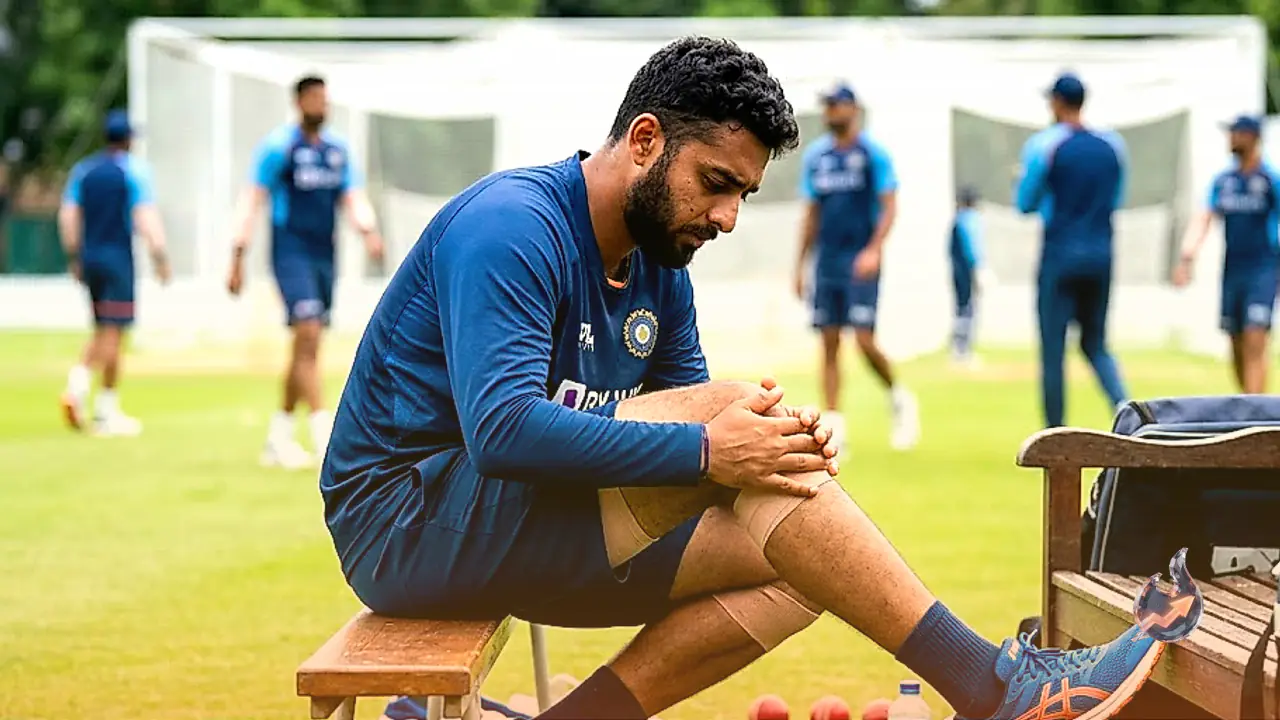
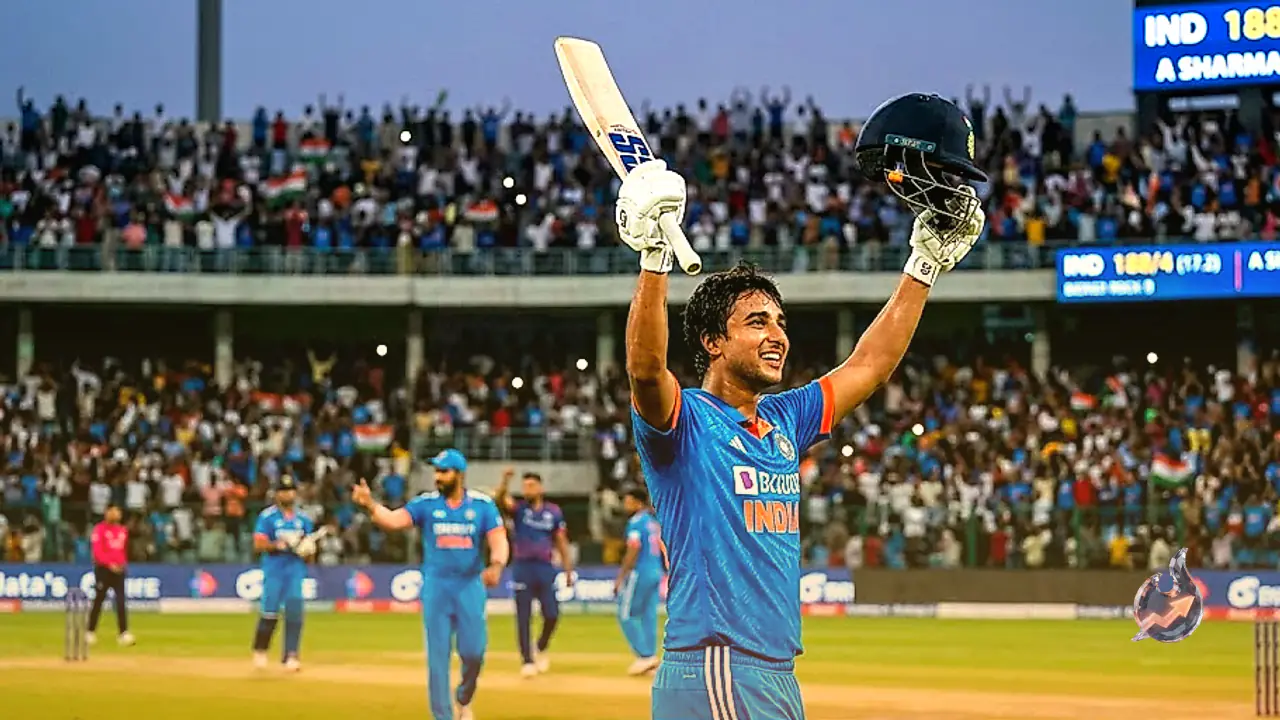
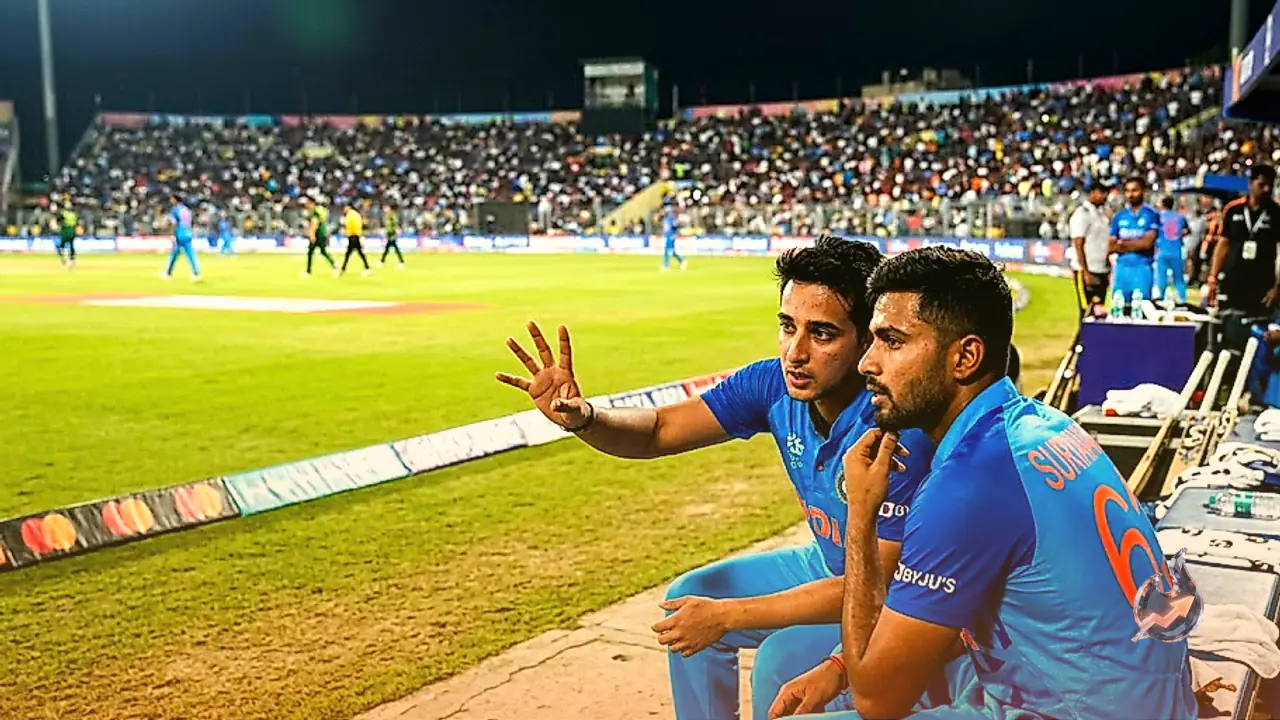
The conversation around this milestone has found fresh traction given the aggressive batting brand displayed by Abhishek Sharma and Vaibhav Suryavanshi. Abhishek demonstrated his immense potential during the opening match against Afghanistan, showcasing an ability to clear ropes with effortless flair. Meanwhile, young prodigy Vaibhav Suryavanshi plays without an ounce of caution, willing to launch big strokes right from his very first delivery at the crease. His pure power hitting at an extraordinarily early age suggests a future laden with record-breaking achievements. Should Vaibhav get the opportunity to open the batting on a batting surface offering true bounce, he could conceivably pose the kind of audacious threat this record demands.
A Scenario Demanding Utter Perfection
Yet raw talent alone cannot rewrite this page of the record books. Overhauling Dipendra Singh Airee's benchmark requires entering the middle with an absolute commitment to deposit every single incoming ball beyond the boundary ropes. On top of that psychological clarity, an aspiring batter needs bowling errors, favorable boundary lengths, wind assistance, and true track behavior all aligning on the exact same afternoon. While Abhishek and Vaibhav unquestionably boast the bat speed and fearless mindset needed for rapid scoring, matching 50 runs in nine deliveries demands an out-of-this-world performance where zero mistakes can be tolerated across nine consecutive deliveries.