























Relying on home remedies to achieve thick, long, and resilient hair remains a widespread practice. Among the most popular botanical choices, curry leaves and rosemary often spark intense debate among wellness enthusiasts. Some individuals advocate strongly for curry leaves as the ultimate natural hair strengthener, while others credit rosemary with actively accelerating regrowth and density. For anyone exploring hair care solutions for the first time, these opposing viewpoints can create considerable confusion. In such situations, looking at controlled scientific studies offers the clearest path to understanding which option provides measurable benefits.
Curry Leaves in Traditional Hair Care and Their Scientific Standing
Curry leaves have long held a respected place in traditional remedies, largely because they are packed with plant-derived bioactive compounds and antioxidants. These nutritional properties explain why herbal preparations frequently incorporate them to nourish strands and maintain scalp health. Nevertheless, robust clinical trials directly demonstrating that curry leaves stimulate active hair regrowth remain absent. Because substantial clinical trial data is not available to validate these claims, curry leaves cannot be classified as a scientifically proven medical treatment for pattern hair loss. They may support general hair maintenance, but rigorous proof regarding their ability to reverse hair fall is still lacking.
What the 2015 Clinical Study Discovered About Rosemary
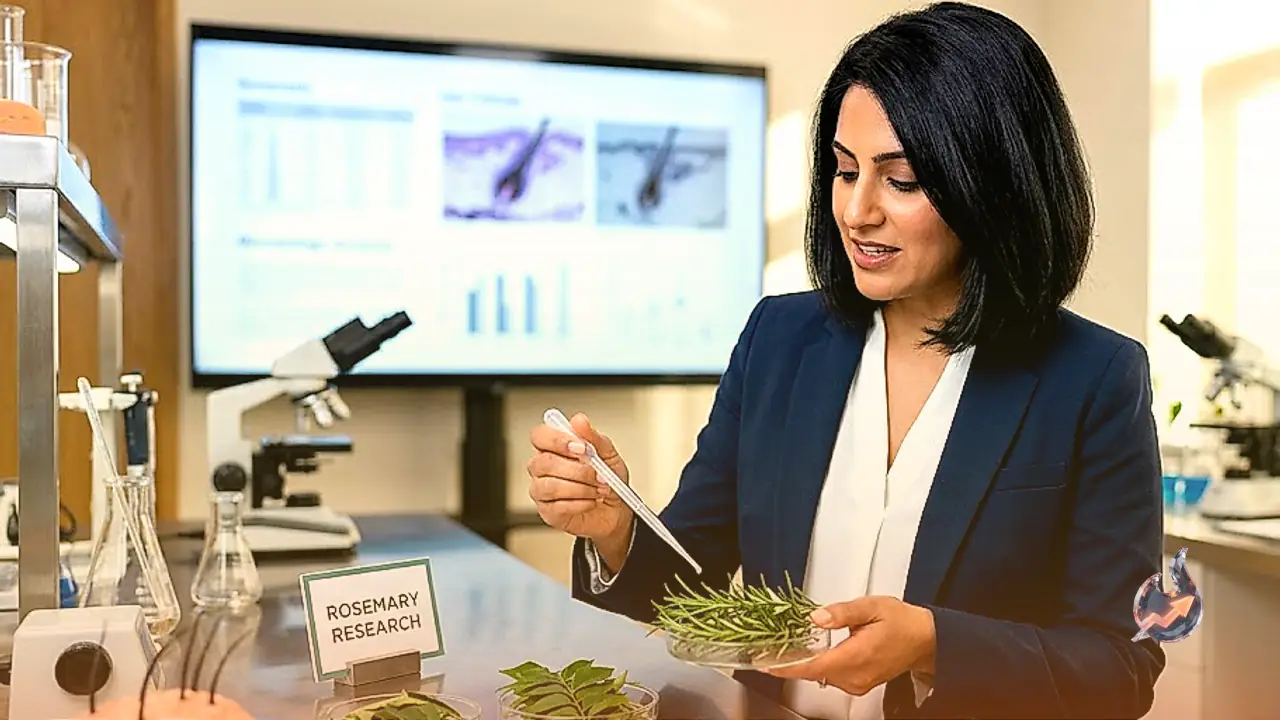
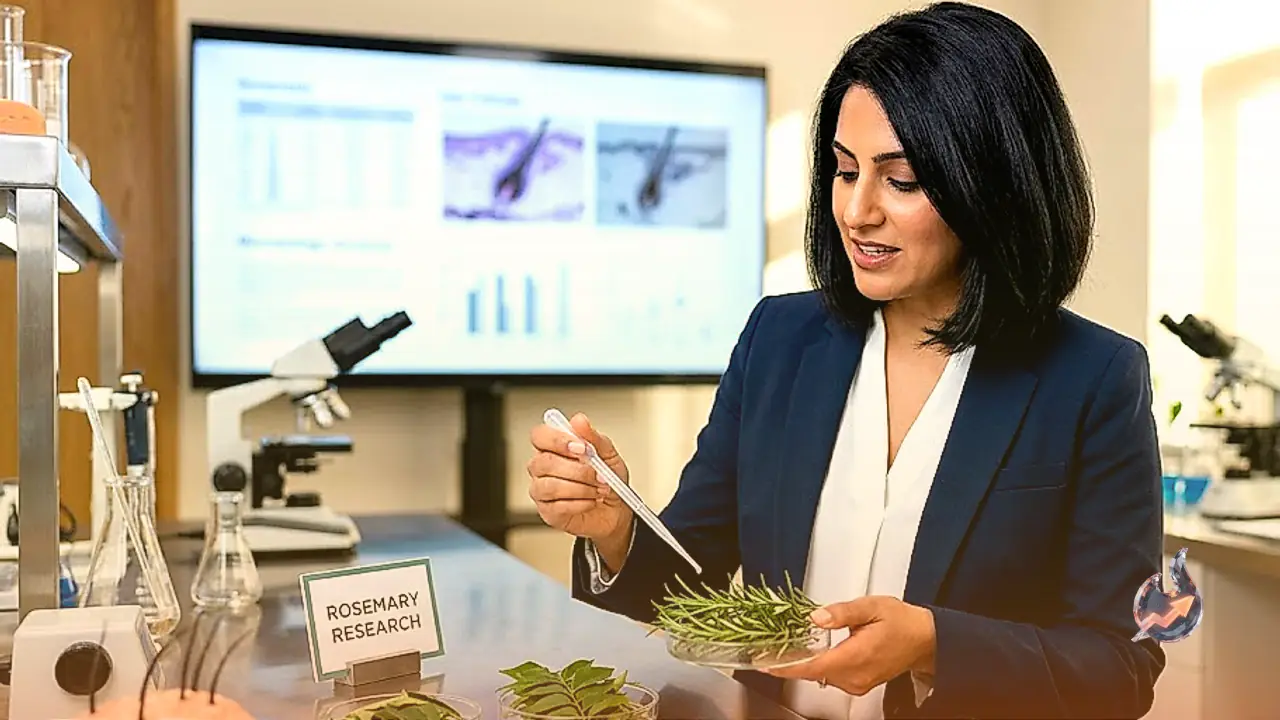
In contrast to curry leaves, rosemary has undergone direct clinical evaluation to measure its impact on thinning hair. A landmark 2015 study evaluated 100 participants experiencing a form of pattern hair loss. The researchers divided the cohort into two distinct teams to compare outcomes over time. One team applied rosemary oil, while the other utilized a standard 2% minoxidil solution. Following six months of consistent use, researchers observed a measurable increase in hair count across both experimental groups. This finding provided concrete evidence that rosemary oil can perform comparably to established treatments in improving hair density over a prolonged duration.
Weighing the Evidence and Following Essential Application Advice
When evaluated strictly through published scientific evidence, rosemary currently possesses significantly more research support than curry leaves. However, these clinical findings do not imply that rosemary oil will guarantee regrowth for every individual, nor should it be viewed as an outright substitute for professional medical therapy. Proper handling is also essential for safe use. Instead of applying concentrated rosemary oil directly onto the scalp, blending it with a suitable carrier oil is the recommended method. Should any burning sensation, itching, or redness develop, usage must be discontinued immediately. Furthermore, anyone experiencing persistent or rapid hair loss should avoid relying purely on home remedies and consult a dermatologist to diagnose the underlying clinical cause.