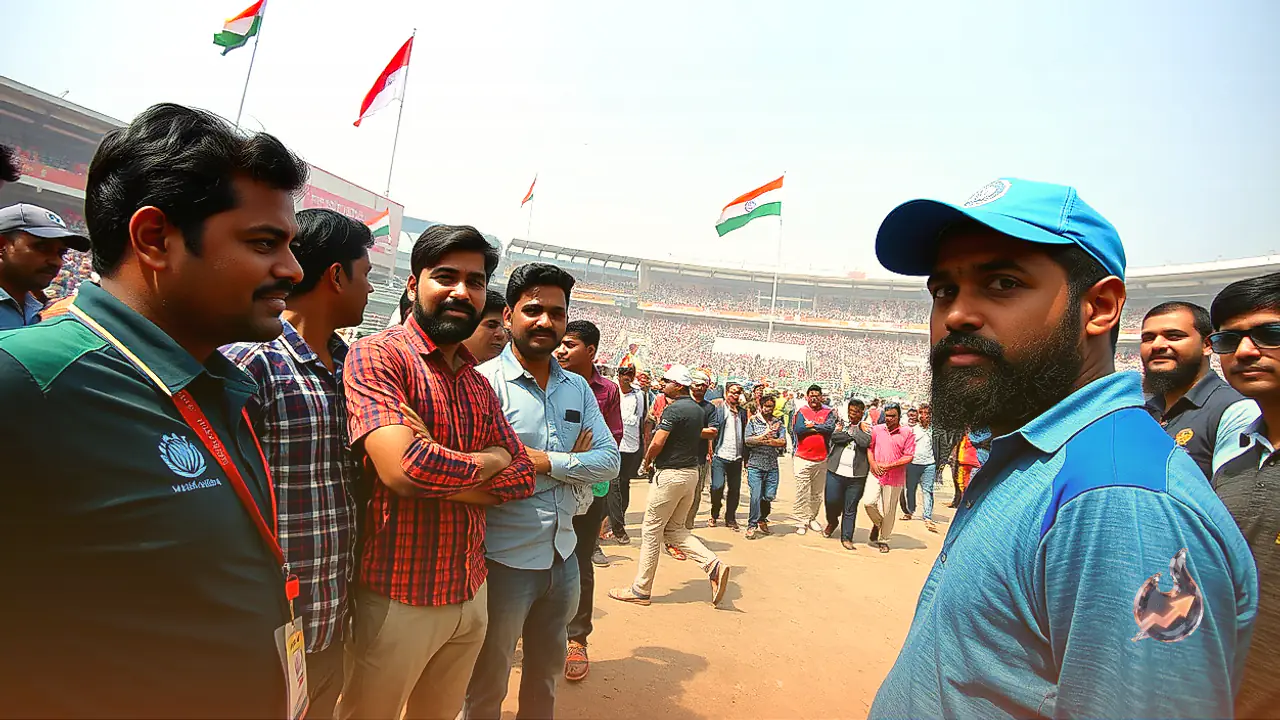






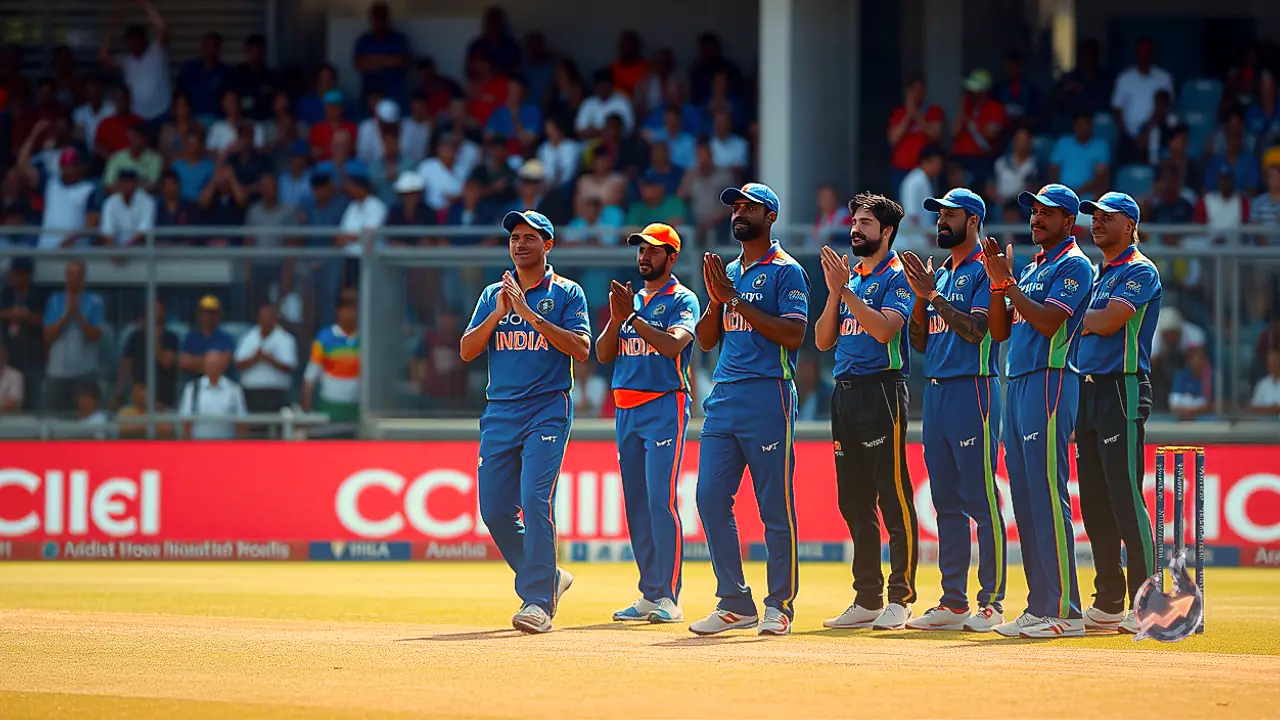

















In the third T20 encounter held at the Holkar Stadium in Indore, the Indian cricket team registered a 14-run victory over West Indies. With this crucial win, India successfully took a 2-1 lead in the ongoing five-match series. Opening batsman Abhishek Sharma and fast bowler Arshdeep Singh played pivotal roles in scripting this triumph for the home side. With the bat, Abhishek played a blistering knock of 69 runs. On the bowling front, Arshdeep made major breakthroughs by claiming three crucial wickets. Arshdeep received the POTM award for his stellar performance. After the conclusion of the match, West Indies fast bowler Shamar Springer came forward to praise Abhishek Sharma's batting prowess.
Shamar Springer opens up on the tactical plan against Abhishek Sharma
During the post-match press conference, Shamar Springer addressed media queries and discussed their bowling approach. He revealed that their team had devised a specific 'Plan B' to contain Abhishek on the pitch. According to this strategy, the primary objective was to adopt a defensive posture against him as much as possible, restricting him from hitting big shots and forcing him to settle for only singles or doubles. However, Abhishek completely shattered this blueprint with his aggressive strokeplay, unleashing a destructive knock that put the opposition under immense pressure right from the start.
Acknowledging the brilliance of a world class player
Elaborating further, Shamar Springer stated that Abhishek Sharma is undoubtedly a world class player. He explained that due to this exact reason, their tactical plan centered entirely on maintaining a defensive approach to deny him boundary-scoring opportunities. Discussing the playing conditions, he noted that the pitch was exceptionally good for batting, and when facing one of the finest players in the world, maintaining complete control over the game becomes exceedingly difficult. Under such circumstances, staying defensive is virtually the only option left for the bowling side because the team simply ran out of alternative choices to halt his momentum.
India defends a mammoth target of 224 runs
The West Indian camp had anticipated that dew would settle in during the second innings while chasing the target, which would have made bowling significantly harder for the Indian attack. However, no dew appeared in the second innings, allowing the Indian bowlers to extract maximum assistance from the pitch. They successfully restricted West Indies to 209 runs, sealing a hard-fought 14-run victory. Earlier in the match, India batted first and posted a formidable target of 224 runs for West Indies, setting the stage for a thrilling finish.