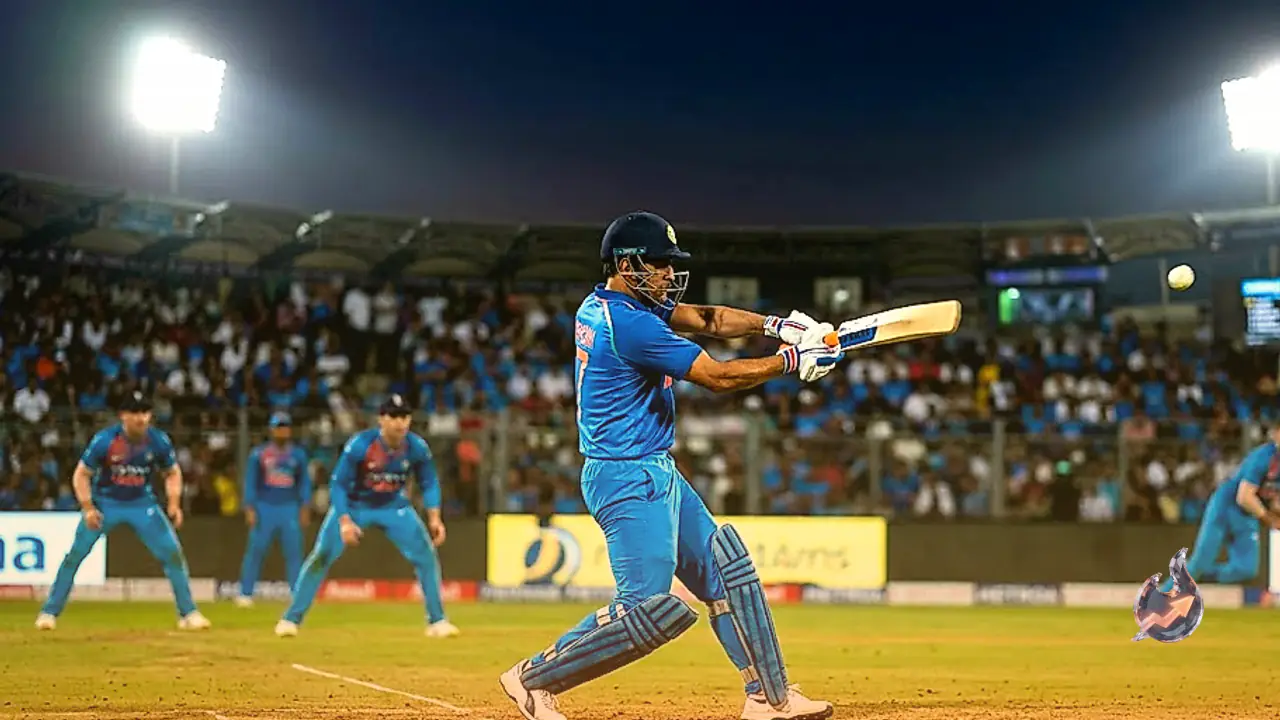



















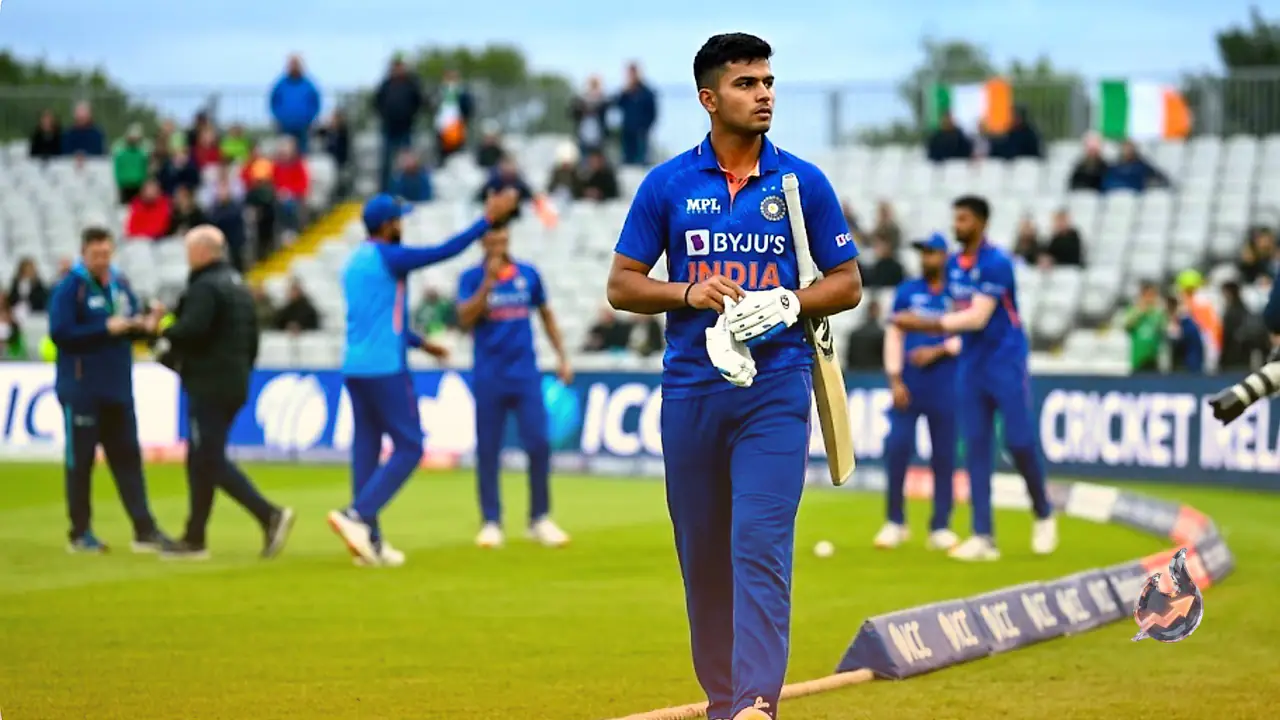

New Delhi. The opening T20I of the series against Ireland has served as a harsh wake-up call for India. Until now, the team management justified leaving Vaibhav Sooryavanshi on the sidelines, citing his age of 15 and the belief that international cricket shouldn't be rushed for him. However, after a humiliating defeat in Belfast—marking Ireland’s first-ever T20 victory over India—that rationale no longer holds water. This loss has completely shifted the narrative regarding team selection.
The Need for Strategic Change
Head coach Gautam Gambhir and captain Shreyas Iyer opted for a conservative approach in the first match, trusting the established batting order, but the strategy backfired significantly. Despite chasing a target of 183, the entire team collapsed for just 148 runs. The debate is no longer about whether to give the youngster a debut; the real question is whether India can afford to keep its most explosive young talent on the bench while the current batting lineup struggles to deliver.
The Breakdown of Momentum
The issue in the first match wasn't at the very top. Abhishek Sharma provided exactly the kind of start that modern T20 cricket demands. The problem arose when the team failed to sustain that pressure. As soon as a few wickets fell, India shifted from an aggressive stance to a defensive 'repair mode.' The Irish bowlers capitalized on this, and India never regained its momentum. This is exactly where the value of Vaibhav Sooryavanshi lies, as his style of play is fundamentally different.
Confidence from IPL 2026
Vaibhav is not just a trending name; his recent T20 performances make him impossible to overlook. During IPL 2026, he didn't just score runs; he maintained a tempo that aligns perfectly with the current direction of the format. His natural game isn't about 'settling in' before accelerating; it is about disrupting the opposition's plans from the very first ball. This is a two-match bilateral series, and having already lost the opener, the risk of a 2-0 defeat is a prospect the team must avoid at all costs.
Balancing Risk and Opportunity
While the team is trailing, drafting Vaibhav into the playing XI isn't a reckless gamble. In a bilateral series, there is room for experimentation. If he plays today and fails, India isn't losing a World Cup knockout game, nor are they exiting an Asia Cup final or a Champions Trophy semifinal. At worst, India loses a bilateral series that was already compromised by the loss in the first game. The damage would be to the team's reputation, not to their long-term structural integrity.
A Vital Learning Experience
The potential upside for Vaibhav is immense. Even if he only scores a handful of runs or shows signs of nervousness against the movement of the ball, the experience will be priceless. The feeling of representing the nation, wearing the Indian jersey, feeling the intensity of the media, and adapting to the rhythm of the international dressing room is a massive step forward. Can he change the course of a match under pressure? Does he adapt, or does he play blindly? Can he replicate his fearless IPL approach at the international level? These answers cannot be found while sitting in the dugout. The team management could frame this not as a panicked move, but as a smart, timely decision to blood a future star.