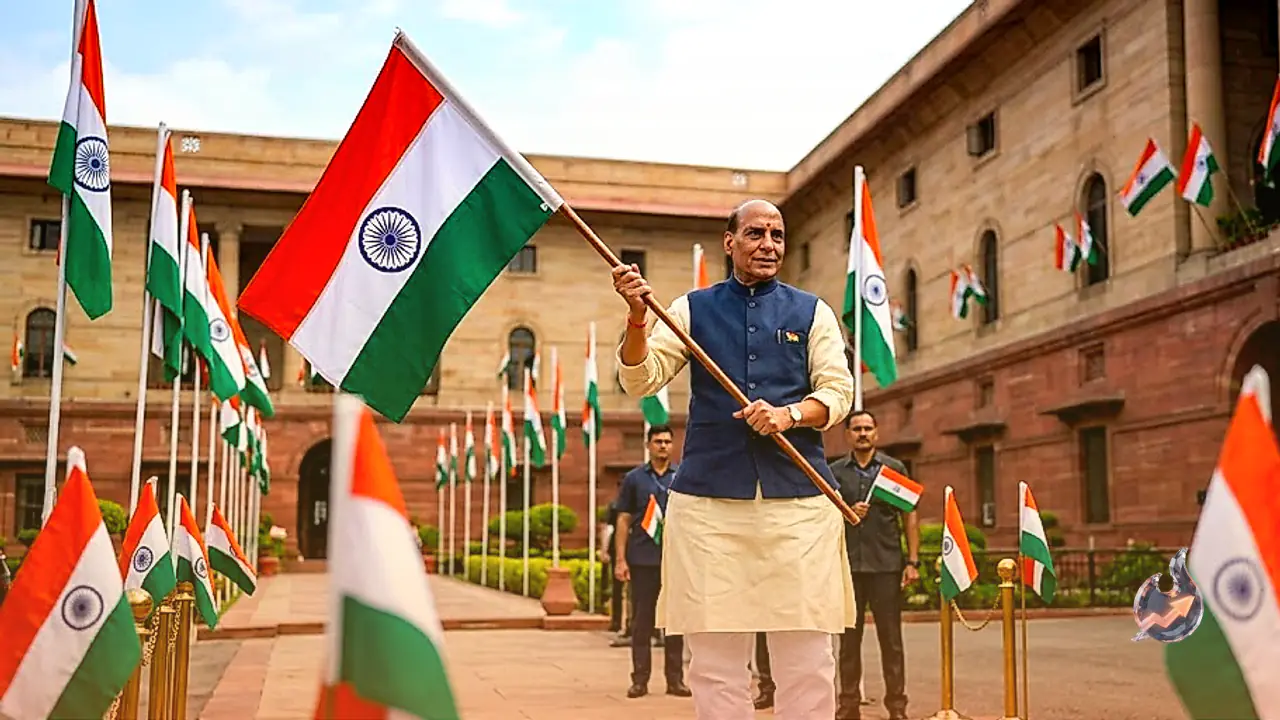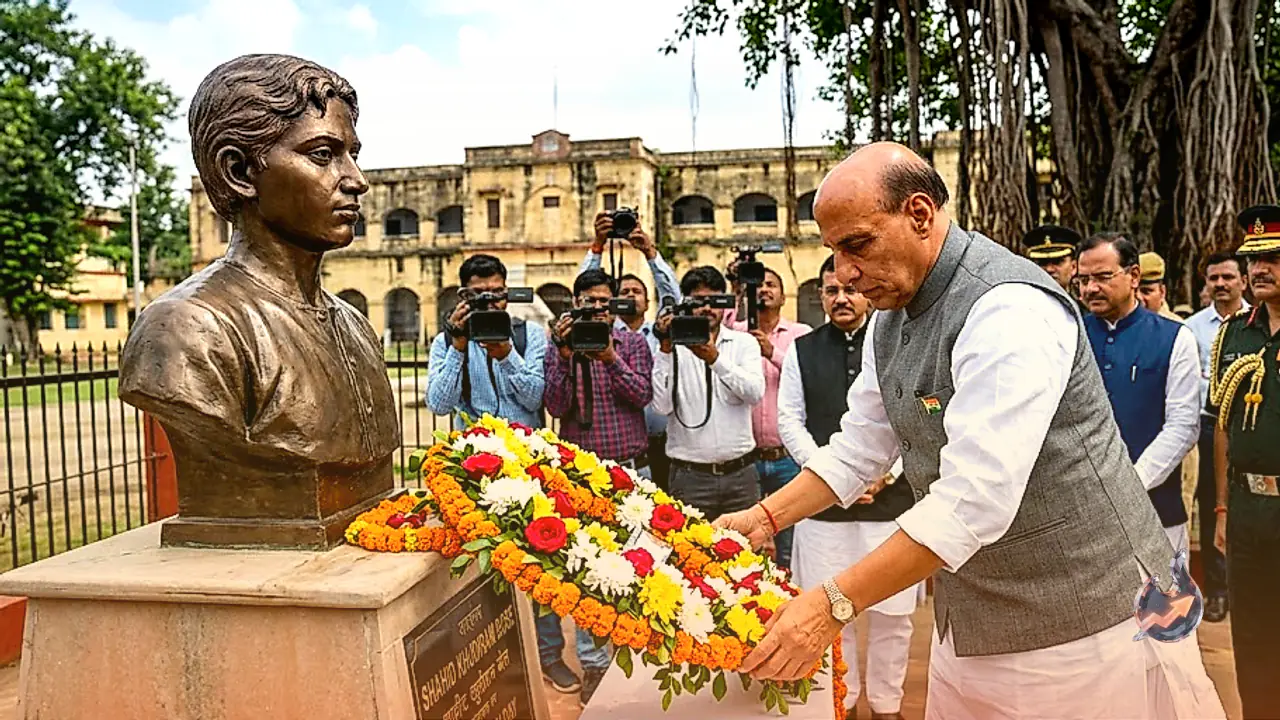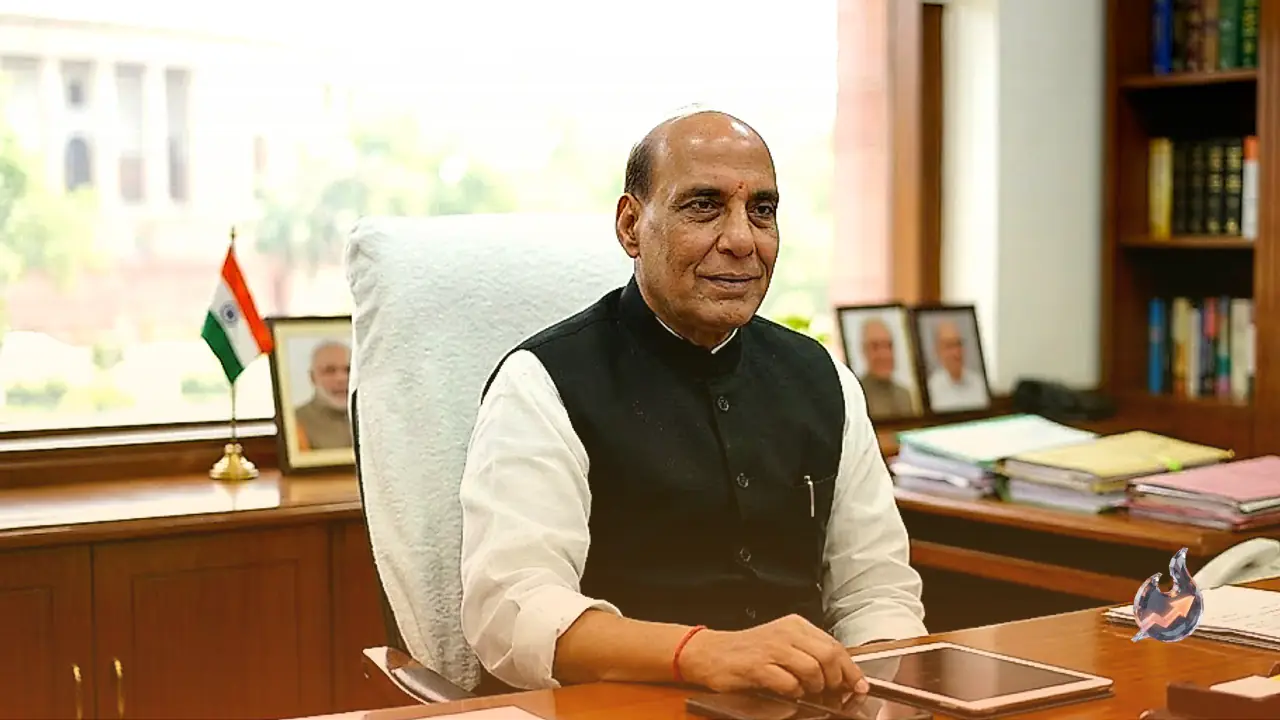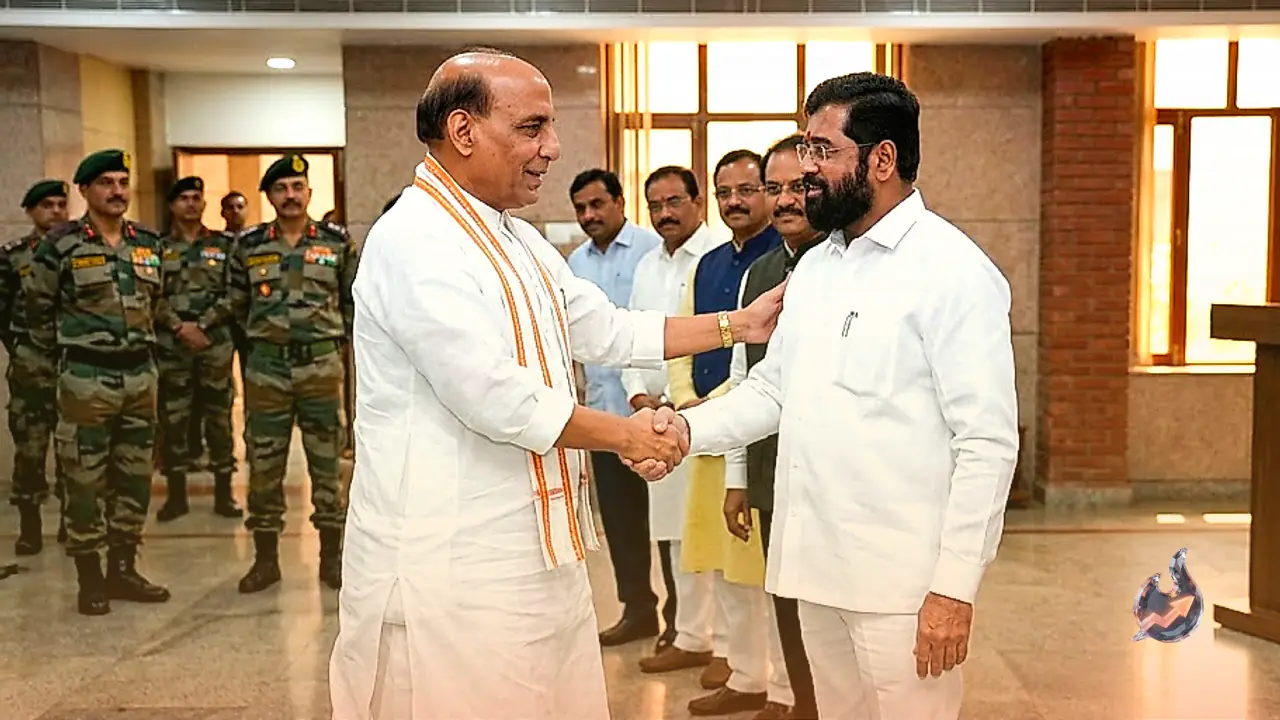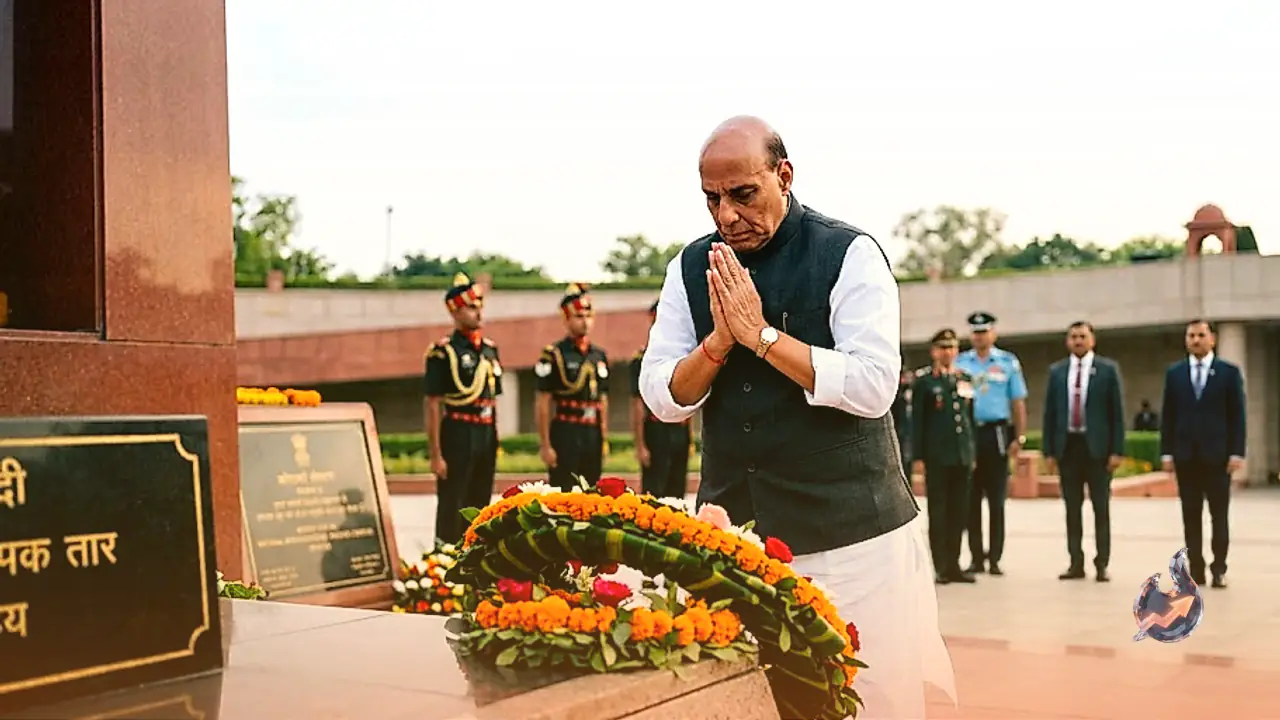

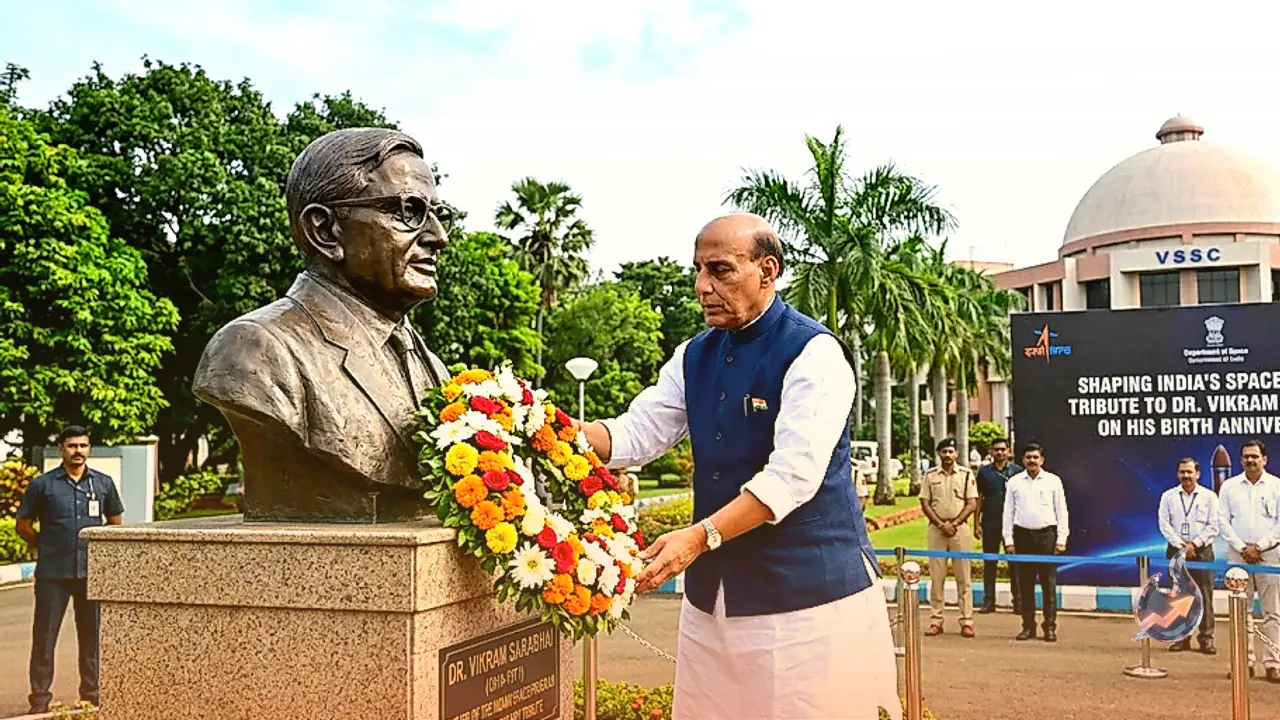



















Union Defense Minister Rajnath Singh paid rich tributes to Dr. Vikram Sarabhai, the father of India's space program, on his birth anniversary on August 12. In a message shared on social media platform X, the Defense Minister highlighted Dr. Sarabhai's visionary leadership and scientific imagination that laid the strong foundation for India's technological advancements in space exploration.
Rajnath Singh's Message
Reflecting on Dr. Sarabhai's enduring legacy, Rajnath Singh emphasized that his core conviction centered on utilizing science for the welfare of the nation and improving the everyday lives of citizens. The Defense Minister noted, "His conviction that science must serve the nation and improve the lives of its people gave a new direction to India’s pursuit."
The Minister added that India's present position as a global space power is a direct reflection of the pioneering vision planted by Dr. Sarabhai decades ago, inspiring generations of scientists to innovate with self-reliance.
Who Was Dr. Vikram Sarabhai
Born on August 12, 1919, in Ahmedabad, Dr. Vikram Sarabhai was an internationally renowned physicist, industrialist, and institution builder. After completing his doctorate at Cambridge University, he returned to India and dedicated his career to building national scientific infrastructure. He passed away on December 30, 1971, leaving behind an unmatched legacy of public service through science.
Dr. Sarabhai strongly believed that a developing country like India did not need to hesitate in applying advanced technologies to real-world problems. He argued that space technology was not a luxury for developing nations but a vital tool to address agricultural, educational, and communication challenges across rural India.
Founding ISRO and Landmark Institutions
In 1962, Dr. Sarabhai spearheaded the creation of the Indian National Committee for Space Research (INCOSPAR), which evolved into the Indian Space Research Organisation (ISRO) in 1969. He established India's first rocket launching facility at Thumba near Thiruvananthapuram, marking the humble beginning of the national space journey.
Beyond space science, Dr. Sarabhai founded over ten premier academic and research organizations. These include the Physical Research Laboratory (PRL) in Ahmedabad, the Indian Institute of Management Ahmedabad (IIMA), the Space Applications Centre, and the Vikram A. Sarabhai Community Science Centre. His holistic vision bridged physical sciences, management education, industrial development, and social arts.
Impact on India's Space Journey
Dr. Sarabhai championed the Satellite Instructional Television Experiment (SITE) in the mid-1970s, which used satellite technology to broadcast educational content on health and farming directly to thousands of Indian villages. This initiative set the benchmark for application-oriented space programs worldwide.
Today, achievements such as Chandrayaan lunar missions, the Mars Orbiter Mission (Mangalyaan), and Aditya-L1 solar observatory stand on the conceptual bedrock established by Dr. Sarabhai. From weather forecasting and telecommunications to disaster management, his user-centric vision of science continues to safeguard and empower millions of citizens.
Public Reaction
Following the Defense Minister's post, social media users joined in expressing deep reverence for Dr. Sarabhai. Citizens praised his foundational role in establishing ISRO and noted that his dedication to scientific independence remains a cornerstone of national pride for modern India.